Đề thi tham khảo ĐGNL Đại học Sư phạm TP.Hồ Chí Minh môn Tiếng Anh có đáp án - Đề số 4
80 câu hỏi
A. LISTENING
In this section of the test, you will have an opportunity to demonstrate your ability to understand conversations and talks in English. There are three parts in this section with special directions for each part. Answer all the questions on the basis of what is stated or implied by the speakers in the recording. The recording will be played ONCE only.
Part 1: Question 1-8
In this part, you will hear EIGHT short announcements or instructions. There is one question for each announcement or instruction. For each question, choose the right answer A, B, C or D. First you have some time to look at questions 1 to 8.
Reduce gas price
Buy new vehicles
Check your vehicles regularly
Change the gas suppliers
Đáp án đúng là C
What should customers do to save money? (Khách hàng nên làm gì để tiết kiệm tiền?)
A. Reduce gas price (Giảm giá xăng)
" Sai vì thông tin này không được đề cập trong bài nghe.
B. Buy new vehicles (Mua phương tiện mới)
" Sai. Bài nghe có nhắc đến phương tiện (vehicles), nhưng là khuyên bảo trì xe hiện có để tiết kiệm xăng, không phải khuyên mua xe mới.
C. Check your vehicles regularly (Kiểm tra phương tiện thường xuyên)
" Đúng, dựa trên thông tin “regularly check your engine oil and filter” (thường xuyên kiểm tra dầu động cơ và bộ lọc).
D. Change the gas suppliers (Thay đổi nhà cung cấp xăng)
" Sai vì thông tin này không được đề cập trong bài nghe.
Bài nghe | Dịch bài nghe |
Next on this evening's news is the rising price of gas and what consumers can do to save money. Experts say it is important that your vehicles are in good running condition. So, if you're serious about saving money on gas, regularly check your engine oil and filter. | Tiếp theo trong bản tin tối nay là về giá xăng đang tăng cao và những điều người tiêu dùng có thể làm để tiết kiệm tiền. Các chuyên gia cho biết điều quan trọng là phương tiện của bạn phải ở trong tình trạng vận hành tốt. Vì vậy, nếu bạn thực sự nghiêm túc về việc tiết kiệm tiền xăng, hãy kiểm tra dầu động cơ và bộ lọc của bạn thường xuyên. |
The railway station
The museum
The river
The City Hall
What will the tourists visit at last? (Du khách sẽ tham quan địa điểm nào sau cùng?)
A. The railway station (Nhà ga xe lửa)
" Sai. Dựa trên thông tin đầu tiên trong bài nghe “On your right, you will see the old train station” (Phía bên tay phải của quý vị, quý vị sẽ thấy nhà ga xe lửa cũ), đây là địa điểm đầu tiên du khách nhìn thấy.
B. The museum (Viện bảo tàng)
" Sai. Dựa trên thông tin “the building will be turned into a museum this year” (Tòa nhà này sẽ được chuyển đổi thành một viện bảo tàng trong năm nay), tức là hiện tại nó thậm chí chưa phải là bảo tàng để khách vào tham quan.
C. The river (Dòng sông)
" Sai. Dòng sông chỉ được nhắc đến như một phần cảnh quan mà du khách có thể nhìn thấy từ nhà ga (The station is famous for its beautiful views of the river), không phải là điểm dừng chân trong lịch trình.
D. The City Hall (Tòa thị chính)
" Đúng. Dựa trên thông tin “Next, we will go to City Hall where you will have 20 minutes to take photographs” (Tiếp theo, chúng ta sẽ đi đến Tòa thị chính, nơi quý vị sẽ có 20 phút để chụp ảnh), đây là địa điểm tiếp theo và cũng là địa điểm cuối cùng được nhắc đến trong đoạn trích hướng dẫn này.
Bài nghe | Dịch bài nghe |
On your right, you will see the old train station. The building will be turned into a museum this year. The station is famous for its beautiful views of the river. Next, we will go to City Hall where you will have 20 minutes to take photographs. | Phía bên tay phải của quý vị, quý vị sẽ thấy nhà ga xe lửa cũ. Tòa nhà này sẽ được chuyển đổi thành một viện bảo tàng trong năm nay. Nhà ga này nổi tiếng với tầm nhìn tuyệt đẹp hướng ra dòng sông. Tiếp theo, chúng ta sẽ đi đến Tòa thị chính, nơi quý vị sẽ có 20 phút để chụp ảnh. |
Return a call
Reserve a table
Arrange an event
Contact the chef
What does the caller ask Mr. Ali to do? (Người gọi yêu cầu ông Ali làm gì?)
A. Return a call (Gọi lại)
" Đúng, dựa trên thông tin “Please call me as soon as possible to let me know whether or not you are coming” (Vui lòng gọi cho tôi sớm nhất có thể để cho tôi biết liệu ông có đến hay không).
B. Reserve a table (Đặt bàn)
" Sai. Dựa trên thông tin “Please call me as soon as possible to let me know whether or not you are coming so that we can arrange a table for you” (Vui lòng gọi lại cho tôi sớm nhất có thể để cho tôi biết liệu ông có đến hay không, để chúng tôi có thể sắp xếp bàn cho ông), người nói là người đặt bàn chứ không phải ông Ali.
C. Arrange an event (Sắp xếp một sự kiện)
" Sai. Sự kiện (buổi khai trương) đã được nhà hàng sắp xếp sẵn vào ngày 2 tháng 8. Ông Ali chỉ là khách mời, không phải người tổ chức hay sắp xếp sự kiện.
D. Contact the chef (Liên lạc với bếp trưởng)
" Sai. Bếp trưởng (chef) được nhắc đến như một phần sức hút của bữa tối để mời ông Ali đến, chứ người gọi không yêu cầu ông Ali phải liên lạc với người này.
Bài nghe | Dịch bài nghe |
Hello Mr. Ali, this is Matthew Boyd calling from Isla Bella Restaurant. I just wanted to know if you will be attending our grand opening at 8 o'clock on August 2. I called earlier and your wife mentioned that you might not be coming. I do hope you can make it, as we will be serving a full dinner cooked by our new chef. Please call me as soon as possible to let me know whether or not you are coming so that we can arrange a table for you. | Xin chào ông Ali, đây là Matthew Boyd gọi đến từ nhà hàng Isla Bella. Tôi muốn biết liệu ông có đến dự buổi khai trương của chúng tôi vào lúc 8 giờ ngày 2 tháng 8 hay không. Tôi đã gọi trước đó và vợ ông có đề cập rằng ông có thể sẽ không tới. Tôi rất hy vọng ông có thể sắp xếp đến được, vì chúng tôi sẽ phục vụ một bữa tối thịnh soạn do chính tay bếp trưởng mới của chúng tôi nấu. Vui lòng gọi lại cho tôi sớm nhất có thể để cho tôi biết liệu ông có đến hay không, để chúng tôi có thể sắp xếp bàn cho ông. |
To announce a new director
To request work schedules
To provide information
To cancel next week's meeting
What is the purpose of the announcement? (Mục đích của thông báo này là gì?)
A. To announce a new director (Để thông báo về một giám đốc mới)
" Sai vì thông tin này không được đề cập trong bài nghe.
B. To request work schedules (Để yêu cầu lịch trình làm việc)
" Sai vì thông tin này không được đề cập trong bài nghe.
C. To provide information (Để cung cấp thông tin)
" Đúng. Đây là mục đích bao quát nhất của bài nói này. Ngay đầu bài, người nói đã xác nhận “I have a few announcements” (Tôi có một vài thông báo). Nội dung sau đó cung cấp các thông tin khác nhau như: lịch trình của giám đốc, cập nhật tiến độ dự án (ahead of schedule) và kế hoạch họp tuần tới.
D. To cancel next week's meeting (Để hủy buổi họp tuần tới)
" Sai, dựa trên thông tin “One last thing: please think of some ideas for our presentation next month. We will meet next week to discuss them” (Một điều cuối cùng: các bạn vui lòng suy nghĩ một số ý tưởng cho bài thuyết trình vào tháng tới. Chúng ta sẽ họp vào tuần tới để thảo luận về những ý tưởng đó).
Bài nghe | Dịch bài nghe |
Good afternoon. Thanks for coming to the meeting this morning. I have a few announcements. First, the director will be leaving tomorrow for Berlin and won't be back until next Tuesday. Also, our project is nearly two weeks ahead of schedule, thanks to your hard work. We still have a lot to do, but I am pleased with our progress. One last thing: please think of some ideas for our presentation next month. We will meet next week to discuss them. | Chào buổi chiều. Cảm ơn mọi người đã đến buổi họp sáng nay. Tôi có một vài thông báo. Đầu tiên, giám đốc sẽ đi Berlin vào ngày mai và sẽ không quay lại cho đến thứ Ba tới. Ngoài ra, dự án của chúng ta đang sớm hơn kế hoạch gần hai tuần, tất cả là nhờ vào sự làm việc chăm chỉ của các bạn. Chúng ta vẫn còn nhiều việc phải làm, nhưng tôi rất hài lòng với tiến độ hiện tại. Một điều cuối cùng: các bạn vui lòng suy nghĩ một số ý tưởng cho bài thuyết trình vào tháng tới. Chúng ta sẽ họp vào tuần tới để thảo luận về những ý tưởng đó. |
Having various flavors
Having low price
Having vanilla flavor
Having chocolate flavor
What is special about the product? (Điều gì đặc biệt về sản phẩm này?)
A. Has various flavors (Có nhiều hương vị khác nhau)
" Đúng. Dựa trên thông tin “Are you tired of drinking the same coffee at the office every day? Then try Javacup's new instant coffees! Javacup has various flavors” (Bạn có thấy mệt mỏi khi ngày nào cũng uống cùng một loại cà phê ở văn phòng không? Vậy thì hãy thử cà phê hòa tan mới của Javacup! Javacup có nhiều hương vị khác nhau), “nhiều hương vị khác nhau” là đặc điểm nổi bật được giới thiệu để giải quyết vấn đề “uống mãi một loại cà phê” ở câu đầu.
B. Has low price (Có giá thấp)
" Sai vì thông tin này không được đề cập trong bài nghe.
C. Has vanilla flavor (Có hương vị vani)
" Sai. Thông tin này có xuất hiện trong bài, nhưng nó chỉ là một ví dụ nằm trong nhóm “various flavors”.
D. Has chocolate flavor (Có hương vị sô-cô-la)
" Sai. Thông tin này cũng xuất hiện trong bài, nhưng nó chỉ là một ví dụ nằm trong nhóm “various flavors”.
Bài nghe | Dịch bài nghe |
Are you tired of drinking the same coffee at the office every day? Then try Javacup's new instant coffees! Javacup has various flavors, from vanilla to chocolate, and is ready in seconds, just by adding hot water. You can find Javacup at your local supermarket. | Bạn có thấy mệt mỏi khi ngày nào cũng uống cùng một loại cà phê ở văn phòng không? Vậy thì hãy thử cà phê hòa tan mới của Javacup! Javacup có nhiều hương vị khác nhau, từ vani đến sô-cô-la, và sẵn sàng trong vài giây chỉ bằng cách thêm nước nóng. Bạn có thể tìm thấy Javacup tại siêu thị địa phương của mình. |
To introduce a guest speaker
To say goodbye to a colleague
To present an award to an employee
To welcome a new director
What is the purpose of this talk? (Mục đích của bài nói này là gì?)
A. To introduce a guest speaker (Để giới thiệu một diễn giả khách mời)
" Sai. Mặc dù ở cuối bài có nói bà Grimaldi sẽ phát biểu (say a few words), nhưng mục đích không phải là chia sẻ kiến thức, đơn thuần là bà phát biểu trong buổi tiệc tri ân mình.
B. To say goodbye to a colleague (Để chia tay một đồng nghiệp)
" Đúng, dựa trên thông tin “We have all gathered to honor Antonia Grimaldi, who will be retiring after 30 years of service at our company” (Chúng ta cùng tụ họp tại đây để vinh danh bà Antonia Grimaldi, người sẽ nghỉ hưu sau 30 năm cống hiến tại công ty chúng ta).
C. To present an award to an employee (Để trao giải thưởng cho một nhân viên)
" Sai vì thông tin này không được đề cập trong bài nghe.
D. To welcome a new director (Để chào đón một giám đốc mới)
" Sai vì thông tin này không được đề cập trong bài nghe.
Bài nghe | Dịch bài nghe |
Good evening, everyone. We have all gathered to honor Antonia Grimaldi, who will be retiring after 30 years of service at our company. Ms. Grimaldi started out at the Grand Imperial Hotel as a receptionist and rose to become our director for the past 10 years. Ms. Grimaldi will be remembered for her kindness and hard work. We will miss working with her and are thankful for her 30 years of dedication to the company. Ms. Grimaldi will now say a few words before dinner is served. | Chào buổi tối mọi người. Chúng ta cùng tụ họp tại đây để vinh danh bà Antonia Grimaldi, người sẽ nghỉ hưu sau 30 năm cống hiến tại công ty chúng ta. Bà Grimaldi bắt đầu làm việc tại Khách sạn Grand Imperial với tư cách là nhân viên lễ tân và đã thăng tiến để trở thành giám đốc của chúng ta trong 10 năm qua. Bà Grimaldi sẽ luôn được nhớ đến bởi lòng nhân hậu và sự chăm chỉ của mình. Chúng tôi sẽ rất nhớ quãng thời gian làm việc cùng bà và vô cùng biết ơn 30 năm tận tụy của bà đối với công ty. Sau đây, bà Grimaldi sẽ có đôi lời phát biểu trước khi bữa tối bắt đầu. |
Low temperatures
Rainfall
Thunderstorms
Cloudy skies
According to the report, what is unusual about the current weather? (Theo bản tin, điều gì bất thường về thời tiết hiện tại?)
A. Low temperatures (Nhiệt độ thấp)
" Đúng, dựa trên thông tin “Temperatures will remain lower than usual until the weekend” (Nhiệt độ sẽ tiếp tục duy trì ở mức thấp hơn bình thường cho đến cuối tuần). Cụm từ “lower than usual” (thấp hơn thường lệ) tương đương với từ “unusual” (bất thường) trong phương án.
B. Rainfall (Lượng mưa)
" Sai vì thông tin này không được đề cập trong bài nghe.
C. Thunderstorms (Bão có sấm sét)
" Sai vì thông tin này không được đề cập trong bài nghe.
D. Cloudy skies (Trời nhiều mây)
" Sai, vì ngược với thông tin trong bài nghe “Clear skies and temperatures reaching up to 24 degrees Celsius are forecast for Saturday and Sunday” (Bầu trời quang đãng và nhiệt độ đạt tới 24 độ C được dự báo cho thứ Bảy và Chủ nhật).
Bài nghe | Dịch bài nghe |
Now for a look at the weather. We expect excessive winds starting Thursday morning and continuing until Friday. Temperatures will remain lower than usual until the weekend. Local weather experts say there is a slight chance that the winds could develop into a hurricane. They are asking all local residents to stay up to date on the status of the storm. But there is good news for the weekend. Clear skies and temperatures reaching up to 24 degrees Celsius are forecast for Saturday and Sunday. Stay tuned for sports, coming up after this break. | Tiếp theo là phần tin dự báo thời tiết. Chúng tôi dự báo sẽ có gió giật mạnh bắt đầu từ sáng thứ Năm và kéo dài cho đến thứ Sáu. Nhiệt độ sẽ tiếp tục duy trì ở mức thấp hơn bình thường cho đến cuối tuần. Các chuyên gia thời tiết địa phương cho biết có khả năng nhỏ là gió có thể phát triển thành bão lớn. Họ đang yêu cầu tất cả người dân địa phương cập nhật liên tục tình trạng của cơn bão. Tuy nhiên, có một tin tốt cho cuối tuần này. Bầu trời quang đãng và nhiệt độ đạt tới 24 độ C được dự báo cho thứ Bảy và Chủ nhật. Hãy tiếp tục theo dõi chương trình thể thao sẽ diễn ra ngay sau kỳ nghỉ giải lao này. |
They dated back to the 16th century.
They were collected from England.
They can be bought in the gift shop.
They can be bought at the main entrance.
What are true about the artifacts? (Điều nào sau đây đúng về các hiện vật?)
A. They dated back to the 16th century (Chúng có niên đại từ thế kỷ 16)
" Sai, dựa trên thông tin “Our tour today will focus on artifacts from the 14th century” (Chuyến tham quan của chúng ta ngày hôm nay sẽ tập trung vào các hiện vật từ thế kỷ 14).
B. They were collected from England (Chúng được thu thập từ nước Anh)
" Đúng, dựa trên thông tin “These objects were collected from sites in Northern England” (Những đồ vật này được thu thập từ các địa điểm ở miền Bắc nước Anh).
C. They can be bought in the gift shop. (Chúng có thể được mua trong cửa hàng lưu niệm)
" Sai. Thông tin “Following our tour, please feel free to visit our gift shop, located next to the museum's main entrance” (Sau chuyến tham quan, quý vị có thể ghé thăm cửa hàng lưu niệm của chúng tôi, nằm ngay cạnh lối vào chính của bảo tàng) không đề cập đến việc cửa hàng lưu niệm bán những cổ vật này.
D. They can be bought at the main entrance. (Chúng có thể được mua tại lối vào chính)
" Sai. Dựa trên thông tin “Following our tour, please feel free to visit our gift shop, located next to the museum's main entrance” (Sau chuyến tham quan, quý vị có thể ghé thăm cửa hàng lưu niệm của chúng tôi, nằm ngay cạnh lối vào chính của bảo tàng), “main entrance” được nhắc đến để xác định vị trí của “gift shop”, chứ không dùng để nói đến nơi bán cổ vật.
Bài nghe | Dịch bài nghe |
Welcome to the Reginald Museum of History. Our tour today will focus on artifacts from the 14th century. These objects were collected from sites in Northern England. Following our tour, please feel free to visit our gift shop, located next to the museum's main entrance. | Chào mừng quý vị đến với Bảo tàng Lịch sử Reginald. Chuyến tham quan của chúng ta ngày hôm nay sẽ tập trung vào các hiện vật từ thế kỷ 14. Những đồ vật này được thu thập từ các địa điểm ở miền Bắc nước Anh. Sau chuyến tham quan, quý vị có thể ghé thăm cửa hàng lưu niệm của chúng tôi, nằm ngay cạnh lối vào chính của bảo tàng. |
Part 2: Questions 9-20
In this part, you will hear THREE conversations. The conversations will not be repeated. There are four questions for each conversation. For each conversation, choose the correct answer A, B, C or D. You will hear the recording ONCE only.
Part 2: Questions 9-12
Choose the best answer. You will hear the recording ONCE only. First you will have some time to look at question 9 to 12.
Why did Harry decide to start an adventure travel company?
He wanted to share his experience with others.
He thought he could make a lot of money.
His father encouraged him to do it.
He hoped to do more travelling himself.
Đáp án đúng là A
Why did Harry decide to start an adventure travel company? (Tại sao Harry quyết định thành lập một công ty du lịch mạo hiểm?)
A. he wanted to share his experience with others. (Ông ấy muốn chia sẻ trải nghiệm của mình với những người khác.)
⭢ Đúng. Dựa trên thông tin “I wanted to show other people how wonderful these things were” (Tôi muốn cho mọi người thấy những điều đó tuyệt vời như thế nào). Việc muốn cho người khác thấy những gì mình đã trải qua chính là mong muốn chia sẻ trải nghiệm.
B. he thought he could make a lot of money. (Ông ấy nghĩ mình có thể kiếm được nhiều tiền.)
⭢ Sai. Dựa trên thông tin “but when I started it I didn’t know if I’d make any money” (...nhưng khi mới bắt đầu, tôi cũng không biết liệu mình có kiếm được tiền hay không).
C. his father encouraged him to do it. (Cha ông ấy đã khuyến khích ông ấy làm việc đó.)
⭢ Sai. Bài nghe chỉ nói những câu chuyện của cha truyền cảm hứng cho Harry đi du lịch (make me want to travel), chứ không đề cập đến việc cha ông khuyến khích ông mở công ty kinh doanh.
D. he hoped to do more travelling himself. (Ông ấy hy vọng bản thân sẽ được đi du lịch nhiều hơn.)
⭢ Sai. Mặc dù Harry thích du lịch, nhưng lý do ông quyết định thành lập công ty (chuyển sang làm kinh doanh) là để cho người khác thấy sự tuyệt vời của du lịch, không phải để bản thân ông được đi nhiều hơn.
A friend
A customer
His wife
His parents
Who suggested the name for Harry’s company? (Ai là người đã gợi ý tên cho công ty của Harry?)
A. a friend (Một người bạn)
⭢ Sai. Một người bạn của Harry đã viết một cuốn sách cùng tên (“Far and Wide” is also the title of a book that a friend wrote”), cái tên này chỉ khiến Harry nhớ về người bạn đó chứ người bạn không phải là người trực tiếp gợi ý tên công ty.
B. a customer (Một vị khách hàng)
⭢ Đúng. Dựa trên thông tin “but in the end it was a customer who gave me the idea” (...nhưng cuối cùng chính một vị khách hàng đã cho tôi ý tưởng này).
C. his wife (Vợ ông ấy)
⭢ Sai. Dựa trên thông tin “My wife kept suggesting different things but...” (Vợ tôi đã gợi ý rất nhiều thứ khác nhau nhưng...), từ “but” cho thấy ý tưởng cuối cùng không phải của bà ấy.
D. his parents (Cha mẹ ông ấy)
⭢ Sai. Bài nghe không nhắc đến việc cha mẹ gợi ý tên công ty.
It’s part of his job.
He always thinks of how to avoid possible dangers.
It’s frightening.
It’s enjoyable.
What does Harry say about doing dangerous things? (Harry nói gì về việc thực hiện những hoạt động nguy hiểm?)
A. It’s part of his job. (Đó là một phần công việc của ông ấy.)
⭢ Đúng, dựa trên thông tin “It’s just that you can’t do what I do without thinking about the possible dangers” (Chỉ là bạn không thể làm công việc này mà không nghĩ đến những mối nguy hiểm có thể xảy ra). Điều này cho thấy những hoạt động nguy hiểm là một phần công việc của ông.
B. He always thinks of how to avoid possible dangers. (Ông ấy luôn nghĩ về cách tránh những nguy hiểm có thể xảy ra.)
⭢ Sai. Dựa trên thông tin “It’s just that you can’t do what I do without thinking about the possible dangers” (Chỉ là bạn không thể làm công việc này mà không nghĩ đến những mối nguy hiểm có thể xảy ra), ta biết ông luôn nghĩ về những nguy hiểm. Tuy nhiên, không có thông tin nào về việc ông nghĩ cách tránh sự nguy hiểm này cả.
C. It’s frightening. (Nó thật đáng sợ.)
⭢ Sai. Dựa trên thông tin “I’m never frightened though.” (Tuy nhiên, tôi không bao giờ sợ hãi).
D. It’s enjoyable. (Nó thú vị.)
⭢ Sai, dựa trên thông tin “Well, it’s not a question of enjoying it” (À, đó không phải là vấn đề có thích hay không). Như vậy, vấn đề không phải ông thích làm những điều nguy hiểm, mà công việc này đi kèm với sự nguy hiểm tiềm ẩn.
A mountain
A building
A river
A valley
What is Harry’s favourite place? (Nơi yêu thích nhất của Harry là gì?)
A. a mountain (Một ngọn núi)
⭢ Sai. Harry có nhắc đến núi (“up into the mountains”) nhưng đó là cảnh quan trên đường đi hoặc là thứ che giấu địa điểm ông yêu thích.
B. a building (Một tòa nhà / công trình kiến trúc)
⭢ Đúng. Dựa trên thông tin “In the valley on the other side there’s a wonderful old castle. It’s magical” (Ở thung lũng phía bên kia có một tòa lâu đài cổ tuyệt đẹp. Nó thật huyền ảo).
C. a river (Một con sông)
⭢ Sai. Con sông (river) chỉ là con đường mà ông ấy đi dọc theo (travel along) để đến được nơi ông thích.
D. a valley (Một thung lũng)
⭢ Sai. Thung lũng (valley) là nơi tòa lâu đài – nơi mà ông thích tọa lạc.
Bài nghe | Dịch bài nghe |
W: Harry Park, you run a travel company which organizes adventure holidays in some difficult places? How did you first become interested in Adventure travel?
M: Well, my father worked in an insurance company once he had a family but before that he'd spent several years traveling the world and he never stopped telling us about it. His stories were much more exciting than the books I read and they make me want to travel and have adventures of my own.
W: And what made you decide to start an adventure travel company? M: Well, when I was in my twenties, I traveled a lot in different countries. I went exploring and climbing in mountains and deserts. I wanted to show other people how wonderful these things were. The business has been very successful but when I started it I didn’t know if I’d make any money.
W: Your company is called Far and wide. How did you choose the name?
M: Well, I just called it Park Travel at first. But everyone thought that was terribly boring! My wife kept suggesting different things but in the end it was a customer who gave me the idea. “Far and wide” is also the title of a book that a friend wrote so it reminds me of him too.
W: Great... The places you visit are usually very unspoilt, Harry. Some people think it's not a good idea to take tourists there. What would you say to them?
M: Well, most of the places we visit have no inhabitants, so we aren’t going to spoil people’s way of life or bring in things like television and fridges! And I make sure that we always take care of the environment. We are careful not to cause pollution, so we take all our rubbish away.
W: Some of the things you do are also dangerous. Do you enjoy danger?
M: Well, it’s not a question of enjoying it. It’s just that you can’t do what I do without thinking about the possible dangers. I’m never frightened though. If I’m taking a group up a mountain or something like that. I just concentrate on what I have to do and get on with it.
W: You’ve been to some fascinating places, Harry. What’s your favourite? M: It’s in India. You travel along a river through spectacular scenery and up into the mountains in Madhya Pradesh. In the valley on the other side there’s a wonderful old castle. It’s magical. The mountains hide it, so few people know it’s there ...
W: Thanks for talking to us, Harry ... | W (Người phỏng vấn): Chào Harry Park, anh đang điều hành một công ty du lịch chuyên tổ chức các kỳ nghỉ mạo hiểm tại một số địa điểm khó khăn? Anh bắt đầu quan tâm đến du lịch mạo hiểm như thế nào? M (Harry Park): À, cha tôi từng làm việc trong một công ty bảo hiểm sau khi có gia đình, nhưng trước đó ông đã dành nhiều năm đi du lịch khắp thế giới và ông không bao giờ ngừng kể cho chúng tôi nghe về điều đó. Những câu chuyện của ông thú vị hơn nhiều so với những cuốn sách tôi từng đọc, và chúng khiến tôi muốn tự mình đi du lịch và trải nghiệm những chuyến phiêu lưu riêng. W: Và điều gì đã khiến anh quyết định thành lập một công ty du lịch mạo hiểm? M: Khi còn ở độ tuổi đôi mươi, tôi đã đi du lịch rất nhiều qua các quốc gia khác nhau. Tôi đi thám hiểm và leo núi ở cả những vùng cao và sa mạc. Tôi muốn cho người khác thấy những điều đó tuyệt vời đến nhường nào. Việc kinh doanh hiện rất thành công, nhưng khi mới bắt đầu, tôi thậm chí còn không biết liệu mình có kiếm được đồng nào không nữa. W: Công ty của anh có tên là “Far and Wide” (Khắp muôn nơi). Anh đã chọn cái tên đó như thế nào? M: Lúc đầu tôi chỉ gọi nó là Park Travel thôi. Nhưng mọi người đều nghĩ cái tên đó chán ngắt! Vợ tôi đã liên tục gợi ý những cái tên khác nhau, nhưng cuối cùng chính một khách hàng đã nảy ra ý tưởng này cho tôi. “Far and Wide” cũng là tiêu đề một cuốn sách mà một người bạn của tôi đã viết, nên cái tên này cũng gợi nhắc tôi về anh ấy nữa. W: Tuyệt quá... Những nơi anh ghé thăm thường rất hoang sơ, Harry ạ. Một số người cho rằng việc đưa khách du lịch đến đó không phải là một ý hay. Anh sẽ nói gì với họ? M: Hầu hết những nơi chúng tôi ghé thăm đều không có cư dân sinh sống, vì vậy chúng tôi sẽ không làm hỏng lối sống của người dân địa phương hay mang vào những thứ như tivi và tủ lạnh! Và tôi đảm bảo rằng chúng tôi luôn chăm sóc môi trường. Chúng tôi cẩn thận để không gây ô nhiễm, vì vậy chúng tôi mang toàn bộ rác thải của mình đi. W: Một số hoạt động anh thực hiện cũng khá nguy hiểm. Anh có thích sự nguy hiểm không? M: À, đây không phải là vấn đề thích hay không. Chỉ là anh không thể làm công việc này mà không nghĩ đến những nguy hiểm có thể xảy ra. Tuy nhiên, tôi chưa bao giờ thấy sợ hãi cả. Nếu tôi đang dẫn một nhóm leo núi hay làm gì đó tương tự, tôi chỉ tập trung vào những việc mình phải làm và tiếp tục thực hiện nó thôi. W: Anh đã đến một số nơi rất hấp dẫn, Harry ạ. Anh thích nơi nào nhất? M: Đó là một nơi ở Ấn Độ. Bạn đi dọc theo một con sông xuyên qua những cảnh quan ngoạn mục và đi lên những ngọn núi ở bang Madhya Pradesh. Trong thung lũng ở phía bên kia có một tòa lâu đài cổ tuyệt đẹp. Nó thật kỳ ảo. Những ngọn núi đã che giấu nó, vì vậy rất ít người biết đến sự tồn tại của nó... W: Cảm ơn Harry vì đã trò chuyện với chúng tôi... |
Part 2: Questions 13-16
Choose the best answer. You will hear the recording ONCE only. First you will have some time to look at question 13 to 16.
It was really badly paid.
The boss didn’t listen to her.
She found the staff unfriendly.
The restaurant was mobile.
Which of the following is TRUE about her first job? (Điều nào sau đây đúng về công việc đầu tiên của cô ấy?)
A. It was really badly paid. (Nó được trả lương rất thấp.)
⭢ Thông tin này không được đề cập đến trong bài nghe.
B. The boss didn’t listen to her. (Ông chủ không lắng nghe cô ấy.)
⭢ Đây là thông tin đúng, dựa trên thông tin “I had all sorts of ideas for new dishes... but the guy who owned the place wasn’t interested” (Tôi có rất nhiều ý tưởng cho các món ăn mới... nhưng ông chủ ở đó lại không mấy quan tâm).
C. She found the staff unfriendly. (Cô ấy thấy nhân viên không thân thiện.)
⭢ Đây là thông tin sai. Cô nói các nhân viên khác ủng hộ ý tưởng của mình: “I had all sorts of ideas for new dishes, which the staff thought would sell” (Tôi có rất nhiều ý tưởng cho các món ăn mới mà các nhân viên khác đều nghĩ là sẽ bán chạy).
D. The restaurant was mobile. (Nhà hàng đó là nhà hàng di động.)
⭢ Đây là thông tin sai. Dựa trên thông tin “I always wanted to open my own restaurant but had no money, so I got a job as a chef” (I learnt to cook at college. I always wanted to open my own restaurant but had no money, so I got a job as a chef), công việc đầu tiên của cô là đầu bếp thuê tại một nhà hàng cố định; sau khi nghỉ việc cô mới bắt đầu làm nhà hàng di động.
They are only advertised online.
Food never gets thrown away.
Menus can be easily changed.
People enjoy their meals in any place.
At first, what did Marta find most surprising about mobile restaurants? (Lúc đầu, Marta thấy điều gì đáng ngạc nhiên nhất về các nhà hàng di động?)
A. They are only advertised online. (Chúng chỉ được quảng cáo trực tuyến.)
⭢ Đúng, dựa trên thông tin “The most amazing thing is all the advertising’s done through social-networking websites” (Điều kinh ngạc nhất là tất cả việc quảng cáo đều được thực hiện qua các trang mạng xã hội).
B. Food never gets thrown away. (Thức ăn không bao giờ bị vứt bỏ.)
⭢ Sai. Cô có nhắc đến việc “food doesn’t get wasted” (thức ăn không bị lãng phí), nhưng đây là một ưu điểm về vận hành chứ không phải điều khiến cô kinh ngạc nhất.
C. Menus can be easily changed. (Thực đơn có thể được thay đổi dễ dàng.)
⭢ Sai. Dựa trên thông tin “you decide on a menu obviously you have to be able to cook” (đầu tiên bạn quyết định thực đơn mà hiển nhiên là bạn biết nấu), cô ấy không nói rằng việc thay đổi thực đơn là điều đáng ngạc nhiên.
D. People enjoy their meals in any place. (Mọi người tận hưởng bữa ăn ở bất cứ nơi nào.)
⭢Sai. Dựa trên thông tin People set up tables in their sitting-room, or in a City car park, an empty factory - anywhere in fact” (Mọi người có thể kê bàn ghế ngay trong phòng khách, hoặc ở một bãi đậu xe trong thành phố, một nhà máy bỏ hoang – thực tế là bất cứ đâu), việc ăn ở bất cứ đâu là đặc điểm của mô hình này, không phải điều mà Marta thấy đáng kinh ngạc nhất.
The sun
The rain
The wind
Not being allowed to eat on the beach
What made Marta have difficulty serving food on a beach? (Điều gì khiến Marta gặp khó khăn khi phục vụ đồ ăn trên bãi biển?)
A. the sun. (mặt trời.)
⭢ Sai. Dựa trên thông tin “I’d brought a large umbrella to protect myself from the sun” (May mắn thay, tôi có mang theo một chiếc ô lớn để che nắng cho mình), ánh nắng là lý do cô mang theo ô để bảo vệ bản thân, chứ không phải khó khăn trực tiếp khi phục vụ đồ ăn.
B. the rain. (cơn mưa.)
⭢ Sai vì thông tin này không được đề cập trong bài nghe.
C. the wind. (gió.)
⭢ Đúng, dựa trên thông tin “I didn’t think about the wind blowing sand into people’s food” (tôi không tính đến việc gió thổi cát vào đồ ăn của khách).
D. not being allowed to eat on the beach. (không được phép ăn trên bãi biển.)
⭢ Sai vì bài không đưa ra một lệnh cấm nào.
Mobile restaurants going out of fashion
The wrong people opening restaurants like hers
Health inspectors coming to her restaurant
People getting ill because of bad food.
What worries Marta about the future? (Điều gì khiến Marta lo lắng về tương lai?)
A. mobile restaurants going out of fashion (nhà hàng di động sẽ lỗi thời)
⭢ Sai. Dựa trên thông tin “Lots of new ones are popping up because it’s become fashionable (Rất nhiều nhà hàng mới đang mọc lên vì nó đã trở thành một xu hướng thời thượng), cô chỉ nói hiện tại nó đang trở nên thời thượng, chứ không nói lo lắng về việc nó hết thời.
B. the wrong people opening restaurants like hers (những người không phù hợp mở nhà hàng giống cô ấy)
⭢ Đúng. Dựa trên thông tin “That doesn’t worry me, because I’m a trained chef. if someone got ill in a less serious one, we might all get a bad name" (Điều đó không làm tôi lo lắng vì tôi là một đầu bếp chuyên nghiệp đã qua đào tạo. Nhưng nếu ai đó bị ngộ độc tại một nơi thiếu uy tín hơn, tất cả chúng tôi có thể bị mang tiếng xấu), cô ấy sợ rằng có những người không qua đào tạo mở nhà hàng giống cô ấy.
C. health inspectors coming to her restaurant (các thanh tra y tế đến nhà hàng của cô ấy)
⭢ Sai. Cô khẳng định: “That doesn’t worry me, because I’m a trained chef” (Điều đó không làm tôi lo lắng vì tôi là một đầu bếp chuyên nghiệp).
D. people getting ill because of bad food. (mọi người bị bệnh vì thức ăn hỏng.)
⭢ Sai. Dựa trên thông tin “if someone got ill in a less serious one, we might all get a bad name” (nếu ai đó bị ngộ độc tại một nơi thiếu uy tín hơn, tất cả chúng tôi có thể bị mang tiếng xấu), điều cô ấy sợ không phải là ai đó bị bệnh, mà là tác động của việc bị bệnh đó lên cô và những người tương tự.
Bài nghe | Dịch bài nghe |
M: Today, I’m talking to Marta Stanston, who runs her own “mobile” restaurant. Marta, how did you get into the restaurant business?
W: Well, I learnt to cook at college. I always wanted to open my own restaurant but had no money, so I got a job as a chef. I had all sorts of ideas for new dishes, which the staff thought would sell but the guy who owned the place wasn’t interested. That’s when a friend told me about the “mobile restaurant” idea. It sounded great.
M: Tell us about it. W: Well, it works like this: you decide on a menu obviously you have to be able to cook then you advertise it so people can book a meal. The most amazing thing is all the advertising’s done through social-networking websites. People set up tables in their sitting-room, or in a City car park, an empty factory - anywhere in fact. And because you know how many people you’re cooking for, food doesn’t get wasted.
M: So why was it good for you? W: Well, various reasons. Like, I could buy all the ingredients without risk because you make customers pay in advance. The greatest advantage, though, is by having a maximum of ten customers. I didn’t need to hire a waiter. Then, of course, I could prepare everything at home just take a camping gas cooker with me, plus some plates, glasses, knives and forks. M: Do you never run into problems? W: The whole experience is fun. People watch you cook and the atmosphere’s relaxed. I did one meal on a beach which almost went wrong because I didn’t think about the wind blowing sand into people’s food. Fortunately, I’d brought a large umbrella to protect myself from the sun so I put it around their table instead! M: And you sometimes use your own flat?
W: If the weather’s bad, people come to my home instead, but it gets very crowded. Even though I’ve actually got enough chairs and a big table, it’s not ideal. I was worried we might disturb the neighbours but they’ve been alright about it. I love the temporary feel of the mobile idea, so home’s not really what it’s about.
M: So, what’s the future of mobile restaurants? W: Well, it’s rather uncertain. Lots of new ones are popping up because it’s become fashionable. I think health inspectors will want to check them out. That doesn’t worry me, because I’m a trained chef. But if someone got ill in a less serious one, we might all get a bad name. So I guess inspections are a good thing. | M (Người dẫn chương trình): Hôm nay, tôi sẽ trò chuyện với Marta Stanston, người đang điều hành nhà hàng “di động” của riêng mình. Marta, cô đã bắt đầu bước chân vào lĩnh vực kinh doanh nhà hàng như thế nào? W (Marta): À, tôi đã học nấu ăn ở trường cao đẳng. Tôi luôn muốn mở nhà hàng riêng nhưng không có tiền, vì vậy tôi đã đi làm đầu bếp thuê. Tôi có rất nhiều ý tưởng cho các món ăn mới mà các nhân viên khác đều nghĩ là sẽ bán chạy, nhưng ông chủ ở đó lại không mấy quan tâm. Đó là lúc một người bạn kể cho tôi nghe về ý tưởng “nhà hàng di động”. Nghe có vẻ rất tuyệt. M: Hãy kể thêm cho chúng tôi về nó đi. W: À, nó hoạt động như thế này: đầu tiên bạn quyết định thực đơn, hiển nhiên là bạn phải biết nấu ăn rồi, sau đó bạn quảng cáo để mọi người có thể đặt chỗ. Điều kinh ngạc nhất là tất cả việc quảng cáo đều được thực hiện qua các trang mạng xã hội. Mọi người có thể kê bàn ghế ngay trong phòng khách, hoặc ở một bãi đậu xe trong thành phố, một nhà máy bỏ hoang – thực tế là bất cứ đâu. Và vì bạn biết chính xác mình đang nấu cho bao nhiêu người nên thức ăn không bao giờ bị lãng phí. M: Vậy tại sao mô hình này lại tốt cho cô? W: Có nhiều lý do lắm. Ví dụ, tôi có thể mua tất cả nguyên liệu mà không sợ rủi ro vì khách hàng phải trả tiền trước. Tuy nhiên, ưu điểm lớn nhất là bằng cách giới hạn tối đa mười khách, tôi không cần phải thuê người phục vụ. Sau đó, tất nhiên, tôi có thể chuẩn bị mọi thứ tại nhà, chỉ cần mang theo một chiếc bếp gas du lịch, cùng với đĩa, ly, dao và nĩa. M: Cô có bao giờ gặp rắc rối không? W: Cả trải nghiệm này rất vui. Mọi người xem bạn nấu ăn và bầu không khí rất thư giãn. Tôi từng tổ chức một bữa ăn trên bãi biển và suýt chút nữa đã hỏng bét vì tôi không tính đến việc gió thổi cát vào đồ ăn của khách. May mắn thay, tôi có mang theo một chiếc ô lớn để che nắng cho mình, nên tôi đã dùng nó để quây quanh bàn ăn của họ thay thế! M: Và thỉnh thoảng cô cũng sử dụng căn hộ của chính mình chứ? W: Nếu thời tiết xấu, mọi người sẽ đến nhà tôi thay thế, nhưng chỗ đó sẽ trở nên rất đông đúc. Mặc dù tôi có đủ ghế và một chiếc bàn lớn, nhưng đó không phải là môi trường lý tưởng. Tôi từng lo lắng rằng chúng tôi có thể làm phiền hàng xóm, nhưng họ vẫn vui vẻ chấp nhận. Tôi yêu cái cảm giác “tạm thời" của ý tưởng di động này, nên việc làm tại nhà không thực sự là mục đích cốt lõi của nó. M: Vậy, tương lai của các nhà hàng di động sẽ ra sao? W: À, điều này khá khó đoán. Rất nhiều nhà hàng mới đang mọc lên vì nó đã trở thành một xu hướng thời thượng. Tôi nghĩ các thanh tra y tế sẽ muốn kiểm tra chúng. Điều đó không làm tôi lo lắng vì tôi là một đầu bếp chuyên nghiệp đã qua đào tạo. Nhưng nếu ai đó bị ngộ độc tại một nơi thiếu uy tín hơn, tất cả chúng tôi có thể bị mang tiếng xấu. Vì vậy, tôi đoán việc thanh tra là một điều tốt. |
Part 2: Questions 17-20
Choose the best answer. You will hear the recording ONCE only. First you will have some time to look at question 17 to 20.
Four years
Six years
Twenty years
Twelve years
How long has Britta lived in Berlin? (Britta đã sống ở Berlin bao lâu rồi?)
A. four years (4 năm)
⭢ Đúng, dựa trên thông tin “I arrived in Berlin about four years ago” (Tôi đến Berlin khoảng 4 năm trước).
B. six years (6 năm)
⭢ Sai. Đây là khoảng thời gian cô ấy từng sống ở Bonn trước khi chuyển tới Berlin (I lived in Bonn for six years).
C. twenty years (20 năm)
⭢ Sai. Đây là tổng thời gian cô ấy sống tại nước Đức nói chung (I’ve lived in Germany for the past twenty years).
D. twelve years. (12 năm)
⭢ Sai. Con số này không xuất hiện trong bài nghe.
18. C
What does Britta say about living in Berlin? (Britta nói gì về việc sống ở Berlin?)
A. She can’t sleep at night because of the traffic noise. (Cô ấy không thể ngủ vào ban đêm vì tiếng ồn giao thông.)
⭢ Sai. Cô ấy nói tiếng ồn giao thông làm cô thức giấc vào buổi sáng lúc 6:30 (It wakes me up about 6.30), chứ không phải khiến cô mất ngủ vào ban đêm.
B. She misses the museums and theatres in Bonn. (Cô ấy nhớ các bảo tàng và nhà hát ở Bonn.)
⭢ Sai. Dựa trên thông tin “I was looking forward to being in a big city like Berlin. Bonn was quite a lot smaller, so I love the busy atmosphere and all the cultural entertainments here museums, theatres and so on” (Tôi đã rất mong chờ được sống ở một thành phố lớn như Berlin. Bonn nhỏ hơn khá nhiều, nên tôi yêu bầu không khí náo nhiệt và tất cả các loại hình giải trí văn hóa ở đây như bảo tàng, nhà hát và nhiều thứ khác nữa), cô ấy thích viện bảo tàng và nhà hát ở Berlin chứ không phải ở Bonn.
C. She likes living in a big, busy city. (Cô ấy thích sống ở một thành phố lớn và náo nhiệt.)
⭢Đúng, dựa trên thông tin “I was looking forward to being in a big city like Berlin... I love the busy atmosphere” (Tôi đã rất mong chờ được sống ở một thành phố lớn như Berlin... tôi yêu bầu không khí náo nhiệt).
D. She prefers living in Bonn to living in Berlin. (Cô ấy thích sống ở Bonn hơn sống ở Berlin.)
⭢ Sai, dựa trên thông tin “I was looking forward to being in a big city like Berlin. Bonn was quite a lot smaller, so I love the busy atmosphere and all the cultural entertainments here museums, theatres and so on” (Tôi đã rất mong chờ được sống ở một thành phố lớn như Berlin. Bonn nhỏ hơn khá nhiều, nên tôi yêu bầu không khí náo nhiệt và tất cả các loại hình giải trí văn hóa ở đây như bảo tàng, nhà hát và nhiều thứ khác nữa).
She can’t sleep at night because of the traffic noise.
She misses the museums and theatres in Bonn.
She likes living in a big, busy city.
She prefers living in Bonn to living in Berlin.
What does Britta say about living in Berlin? (Britta nói gì về việc sống ở Berlin?)
A. She can’t sleep at night because of the traffic noise. (Cô ấy không thể ngủ vào ban đêm vì tiếng ồn giao thông.)
⭢ Sai. Cô ấy nói tiếng ồn giao thông làm cô thức giấc vào buổi sáng lúc 6:30 (It wakes me up about 6.30), chứ không phải khiến cô mất ngủ vào ban đêm.
B. She misses the museums and theatres in Bonn. (Cô ấy nhớ các bảo tàng và nhà hát ở Bonn.)
⭢ Sai. Dựa trên thông tin “I was looking forward to being in a big city like Berlin. Bonn was quite a lot smaller, so I love the busy atmosphere and all the cultural entertainments here museums, theatres and so on” (Tôi đã rất mong chờ được sống ở một thành phố lớn như Berlin. Bonn nhỏ hơn khá nhiều, nên tôi yêu bầu không khí náo nhiệt và tất cả các loại hình giải trí văn hóa ở đây như bảo tàng, nhà hát và nhiều thứ khác nữa), cô ấy thích viện bảo tàng và nhà hát ở Berlin chứ không phải ở Bonn.
C. She likes living in a big, busy city. (Cô ấy thích sống ở một thành phố lớn và náo nhiệt.)
⭢Đúng, dựa trên thông tin “I was looking forward to being in a big city like Berlin... I love the busy atmosphere” (Tôi đã rất mong chờ được sống ở một thành phố lớn như Berlin... tôi yêu bầu không khí náo nhiệt).
D. She prefers living in Bonn to living in Berlin. (Cô ấy thích sống ở Bonn hơn sống ở Berlin.)
⭢ Sai, dựa trên thông tin “I was looking forward to being in a big city like Berlin. Bonn was quite a lot smaller, so I love the busy atmosphere and all the cultural entertainments here museums, theatres and so on” (Tôi đã rất mong chờ được sống ở một thành phố lớn như Berlin. Bonn nhỏ hơn khá nhiều, nên tôi yêu bầu không khí náo nhiệt và tất cả các loại hình giải trí văn hóa ở đây như bảo tàng, nhà hát và nhiều thứ khác nữa).
She walks.
She uses her bicycle.
She uses the tram or bus.
She drives her car.
Đáp án đúng là B
How does Britta usually travel around in Berlin? (Britta thường đi lại ở Berlin bằng cách nào?)
A. She walks. (Cô ấy đi bộ.)
⭢ Sai. Britta nhận xét rằng ở Berlin mọi người không đi bộ nhiều lắm (perhaps that's why people don’t walk very much).
B. She uses her bicycle. (Cô ấy sử dụng xe đạp của mình.)
⭢ Đúng, dựa trên thông tin “but in fact, most of the time I cycle” (nhưng thực tế thì phần lớn thời gian tôi đều đạp xe).
C. She uses the tram or bus. (Cô ấy sử dụng tàu điện hoặc xe buýt.)
⭢ Sai. Dựa trên thông tin “I have a tram and bus ticket but in fact, most of the time I cycle” (Tôi có vé đi xe buýt và tàu điện, nhưng thực tế thì phần lớn thời gian tôi đều đạp xe), cô ấy không đi tàu điện hay xe buýt.
D. She drives her car. (Cô ấy lái ô tô.)
⭢ Sai. Thông tin này không được đề cập đến trong bài nghe.
Living near her
Working with her
Being still in England
Being from her hometown
What is true about Britta’s friends? (Điều gì đúng về bạn bè của Britta?)
A. Living near her. (sống gần cô ấy.)
⭢ Đúng, dựa trên thông tin “I’ve got some very good friends who live in the same street as me” (tôi cũng đã có những người bạn rất tốt sống cùng phố với mình).
B. Working with her. (làm việc cùng cô ấy.)
⭢ Sai. Thông tin này không được đề cập đến trong bài nghe.
C. All still being in England. (tất cả vẫn còn ở Anh.)
⭢ Sai, dựa trên thông tin “Most of my friends are here” (hầu hết bạn bè của tôi đều ở đây cả rồi).
D. Being from her hometown. (đến từ quê hương của cô ấy.)
⭢ Sai. Thông tin này không được đề cập đến trong bài nghe.
Bài nghe | Dịch bài nghe |
M: Britta, you’re English, but you live in Berlin. Have you lived here for a long time? W: Well, I was born in England, but I’ve lived in Germany for the past twenty years. I arrived in Berlin about four years ago. Before that, I lived in Bonn for six years, but I work as a journalist and when the newspaper moved to Berlin, I moved with them. M: Were you pleased to come to Berlin? W: Yes, I was. I was looking forward to being in a big city like Berlin. Bonn was quite a lot smaller, so I love the busy atmosphere and all the cultural entertainments here museums, theatres and so on. The only thing I don’t like is the traffic it’s a bit noisy in the mornings. It wakes me up about 6.30, but most days I have to get up early anyway!
M: Where do you live in Berlin? W: I have a flat in the old part of the city. It’s right in the centre and it’s not too expensive. It costs me about £500 a month. My street is becoming very popular. There are lots of new art galleries, and small cafés and friendly restaurants everywhere. Eating out in Berlin is fun, and it’s cheap, so it's something I do quite often. M: How do you find transport in Berlin? W: Well, the transport system here is very good, so I have a tram and bus ticket but in fact, most of the time I cycle. Travel here is much cheaper than in other countries I know, perhaps that's why people don’t walk very much! M: What do you like to do in Berlin at the weekends? W: Well, I like art, so sometimes I go to one of the galleries. I have a nephew called Philippe. He’s only three but he likes coming with me. He likes the café best, I think. And it’s a change from going to the park. That’s something he does very often. He usually comes out with me while his parents go shopping. M: Do you miss your friends and family in England? W: I don’t really miss England. Most of my friends are here. I don’t see much of work colleagues socially but I’ve got some very good friends who live in the same street as me. I enjoy meeting people, and I find Berlin is a very friendly city.
M: Thank you for talking to us, Britta. | M: Britta này, cô là người Anh nhưng lại đang sống ở Berlin. Cô đã sống ở đây lâu chưa? W: À, tôi sinh ra ở Anh, nhưng tôi đã sống ở Đức suốt 20 năm qua rồi. Tôi đến Berlin khoảng 4 năm trước. Trước đó, tôi sống ở Bonn trong 6 năm, nhưng vì tôi là nhà báo và khi tòa soạn chuyển đến Berlin, tôi cũng chuyển đi cùng họ. M: Cô có vui khi chuyển đến Berlin không? W: Có chứ. Tôi đã rất mong chờ được sống ở một thành phố lớn như Berlin. Bonn nhỏ hơn khá nhiều, nên tôi yêu bầu không khí náo nhiệt và tất cả các loại hình giải trí văn hóa ở đây như bảo tàng, nhà hát và nhiều thứ khác nữa. Điều duy nhất tôi không thích là giao thông — nó hơi ồn ào vào buổi sáng. Tiếng ồn thường làm tôi thức giấc lúc 6 giờ 30, nhưng dù sao thì hầu hết mọi ngày tôi đều phải dậy sớm mà! M: Cô sống ở khu vực nào tại Berlin? W: Tôi có một căn hộ ở khu phố cổ. Nó nằm ngay trung tâm và giá thuê không quá đắt, khoảng 500 bảng Anh một tháng. Con phố tôi ở đang trở nên rất sầm uất. Có rất nhiều phòng triển lãm nghệ thuật mới, những quán cà phê nhỏ và các nhà hàng thân thiện ở khắp mọi nơi. Đi ăn ngoài ở Berlin rất vui và rẻ, nên đó là việc tôi làm khá thường xuyên. M: Cô thấy giao thông ở Berlin thế nào? W: Hệ thống giao thông ở đây rất tốt. Tôi có vé đi xe buýt và tàu điện, nhưng thực tế thì phần lớn thời gian tôi đều đạp xe. Việc đi lại ở đây rẻ hơn nhiều so với các quốc gia khác mà tôi biết, có lẽ đó là lý do tại sao mọi người không đi bộ nhiều lắm! M: Cô thường thích làm gì ở Berlin vào cuối tuần? W: Tôi thích nghệ thuật, nên thỉnh thoảng tôi hay đến các phòng triển lãm. Tôi có một đứa cháu trai tên là Philippe. Thằng bé mới 3 tuổi thôi nhưng rất thích đi cùng tôi. Tôi nghĩ nó thích ngồi quán cà phê nhất. Đó là một sự thay đổi so với việc đi công viên. Đó là việc mà nó vẫn làm thường xuyên. Thằng bé thường đi chơi với tôi trong khi bố mẹ nó đi mua sắm. M: Cô có nhớ bạn bè và gia đình ở Anh không? W: Tôi không thực sự nhớ nước Anh cho lắm – hầu hết bạn bè của tôi đều ở đây cả rồi. Tôi không thường xuyên tụ tập xã giao với đồng nghiệp, nhưng tôi có những người bạn rất thân sống cùng phố với mình. Tôi thích gặp gỡ mọi người, và tôi thấy Berlin là một thành phố rất thân thiện. M: Cảm ơn cô đã trò chuyện với chúng tôi, Britta. |
Part 3: Questions 21-35
Choose the best answer. You will hear the recording ONCE only. First you will have some time to look at question 21 to 25.
How does a regular fish rise to the surface of the water?
By swinging its tail back and forth like a propeller
By directing oxygen from its breathing into the swim bladder
By squeezing all the gas out of its internal organs
By using its side fins to push water downward
Đáp án đúng là B
How does a regular fish rise to the surface of the water? (Làm thế nào một con cá thông thường nổi lên mặt nước?)
A. By swinging its tail back and forth like a propeller (Bằng cách quẫy đuôi qua lại như chân vịt)
⭢ Sai. Đây là cách cá mập tạo lực đẩy tiến về phía trước, không phải lực nâng trực tiếp "The tail is like the shark’s propeller. The shark swings it back and forth to move forward." (Đuôi của cá mập giống như chân vịt. Cá mập quẫy đuôi qua lại để tiến về phía trước.)
B. By directing oxygen from its breathing into the swim bladder (Bằng cách đưa oxy từ việc hô hấp vào bóng hơi)
⭢ Đúng, dựa trên thông tin “when the fish breathes oxygen, some of that oxygen goes into its bladder. This causes the fish to rise in the water” (khi cá hít khí oxy, một phần oxy đó sẽ đi vào bóng hơi. Điều này giúp cá nổi lên trong nước).
C. By squeezing all the gas out of its internal organs (Bằng cách ép hết khí ra khỏi các cơ quan nội tạng)
⭢ Sai, dựa trên thông tin “When it squeezes some of the gas out of its bladder, it sinks toward the bottom” (Khi nó ép một phần khí ra khỏi bóng hơi, nó sẽ chìm xuống dưới đáy).
D. By using its side fins to push water downward (Bằng cách sử dụng các vây bên để đẩy nước xuống dưới)
⭢ Sai. Đây là thông tin xuất hiện ở phần sau, khi nói về cá mập.
Why is a shark's movement compared to an airplane?
Because it has wings that allow it to fly out of the water
Because it uses a swim bladder to stay balanced
Because it lacks a swim bladder and relies on forward movement for lift
Because it moves at the same speed as a modern jet engine
Why is a shark's movement compared to an airplane? (Tại sao chuyển động của cá mập lại được so sánh với máy bay?)
A. Because it has wings that allow it to fly out of the water (Vì nó có cánh cho phép nó bay ra khỏi mặt nước)
⭢ Sai. Cá mập không có cánh.
B. Because it uses a swim bladder to stay balanced (Vì nó sử dụng bóng hơi để giữ thăng bằng)
⭢ Sai, dựa trên thông tin “Sharks don’t have a swim bladder...” (Cá mập không có bóng hơi...)
C. Because it lacks a swim bladder and relies on forward movement for lift (Vì nó không có bóng hơi và dựa vào chuyển động tiến về phía trước để tạo lực nâng)
⭢ Đúng, dựa trên thông tin "Sharks don’t have a swim bladder” (Cá mập không có bóng hơi) và “In an airplane, this forward movement pushes air around the wings. For a shark, this forward movement pushes water around the fins. In both cases, the forward movement creates lift” (Ở máy bay, chuyển động tiến này đẩy không khí bao quanh đôi cánh. Đối với cá mập, chuyển động tiến này đẩy nước bao quanh các vây. Trong cả hai trường hợp, chuyển động tiến đều tạo ra lực nâng).
D. Because it moves at the same speed as a modern jet engine (Vì nó di chuyển với tốc độ tương đương động cơ phản lực hiện đại)
⭢ Sai. Thông tin so sánh tốc độ của hai đối tượng này không được đề cập.
The vertical fins on its back
The two pairs of fins on its sides
The gills used for breathing
The tail swinging back and forth
What part of the shark acts similarly to a propeller? (Bộ phận nào của cá mập hoạt động tương tự như chân vịt?)
A. The vertical fins on its back (Các vây thẳng đứng trên lưng)
B. The two pairs of fins on its sides (Hai cặp vây ở hai bên thân)
C. The gills used for breathing (Mang dùng để hô hấp)
D. The tail swinging back and forth (Cái đuôi quẫy qua lại)
- Dựa trên thông tin “The tail is like the shark’s propeller. The shark swings it back and forth to move forward” (Đuôi của cá mập giống như chân vịt. Cá mập quẫy đuôi qua lại để tiến về phía trước).
⭢ Chọn D
By inflating its bladder with extra oxygen
By positioning its side fins at different angles
By stopping its forward movement entirely
By using its back fins to create more weight
How does a shark change its path to move quickly upward or downward? (Cá mập thay đổi lộ trình để di chuyển nhanh chóng lên trên hoặc xuống dưới bằng cách nào?)
A. By inflating its bladder with extra oxygen (Bằng cách làm phồng bóng hơi với thêm oxy)
B. By positioning its side fins at different angles (Bằng cách điều chỉnh các vây bên ở những góc độ khác nhau)
C. By stopping its forward movement entirely (Bằng cách dừng hoàn toàn chuyển động tiến về phía trước)
D. By using its back fins to create more weight (Bằng cách sử dụng vây lưng để tạo thêm trọng lượng)
- Dựa trên thông tin “Sharks have two pairs of fins on each side of their bodies. ... The shark can position these fins at different angles. This changes the path of the water around them and enables the shark to move quickly upward or downward” (Cá mập có hai cặp vây ở mỗi bên thân … Cá mập có thể điều chỉnh các vây này ở những góc độ khác nhau. Điều này làm thay đổi đường đi của nước xung quanh chúng và cho phép cá mập di chuyển nhanh chóng lên trên hoặc xuống dưới).
" Chọn B
What is the function of the two vertical fins on a shark's back?
To create lift so the shark can rise quickly
To help the shark maintain balance and turn quickly
To store oxygen when the shark sinks to the bottom
To change the angle of the water path for downward movement
What is the function of the two vertical fins on a shark's back? (Chức năng của hai vây thẳng đứng trên lưng cá mập là gì?)
A. To create lift so the shark can rise quickly (Để tạo lực nâng giúp cá mập nổi lên nhanh chóng)
⭢ Sai. Đây là thông tin về chức năng đuôi cá mập: “The tail is like the shark’s propeller. The shark swings it back and forth to move forward … For a shark, this forward movement pushes water around the fins. In both cases, the forward movement creates lift” (Đuôi của cá mập giống như chân vịt. Cá mập quẫy đuôi qua lại để tiến về phía trước. Đối với cá mập, chuyển động tiến này đẩy nước bao quanh các vây. Trong cả hai trường hợp, chuyển động tiến đều tạo ra lực nâng.)
B. To help the shark maintain balance and turn quickly (Để giúp cá mập giữ thăng bằng và quay người nhanh chóng)
⭢ Đúng, dựa trên thông tin “The shark also has two vertical fins on its back … They allow the shark to keep its balance as it moves through the water and help it turn quickly left and right” (Cá mập cũng có hai vây thẳng đứng trên lưng … Chúng giúp cá mập giữ thăng bằng khi di chuyển trong nước và giúp nó quay trái, quay phải một cách nhanh chóng.).
C. To store oxygen when the shark sinks to the bottom (Để lưu trữ oxy khi cá mập chìm xuống đáy)
⭢ Sai. Thông tin này không được đề cập đến trong bài.
D. To change the angle of the water path for downward movement (Để thay đổi góc đi của nước nhằm mục đích di chuyển xuống dưới)
⭢ Sai. Đây là chức năng của các vây bên: Sharks have two pairs of fins on each side of their bodies. ... The shark can position these fins at different angles. This changes the path of the water around them and enables the shark to move quickly upward or downward (Cá mập có hai cặp vây ở mỗi bên thân … Cá mập có thể điều chỉnh các vây này ở những góc độ khác nhau. Điều này làm thay đổi đường đi của nước xung quanh chúng và cho phép cá mập di chuyển nhanh chóng lên trên hoặc xuống dưới).
Bài nghe | Dịch bài nghe |
Let’s begin. Last week, we learned how most fish use their swim bladder to move around in the water. Remember, when the fish breathes oxygen, some of that oxygen goes into its bladder. This causes the fish to rise in the water. When it squeezes some of the gas out of its bladder, it sinks toward the bottom. So, it can move vertically-go up and down kind of like a hot-air balloon.
A shark is more like an airplane. Sharks don’t have a swim bladder, so they use their forward movement to control their vertical position. The tail is like the shark’s propeller. The shark swings it back and forth to move forward. In an airplane, this forward movement pushes air around the wings. For a sharks, this forward movement pushes water around the fins. In both cases, the forward movement creates lift – the airplanes and shark both rise. Sharks have two pairs of fins on each side of their bodies. These fins are about the position as the main wings and tail wings, on an airplane. The shark can position these fins at different angles. This changes the path of the water around them and enables the shark to move quickly upward or downward. The shark also has two vertical fins on its back. These are like the stabilizer fin on an airplane. They allow the shark to keep its balance as it moves through the water and help it turn quickly left and right. | Chúng ta hãy cùng bắt đầu. Tuần trước, chúng ta đã tìm hiểu cách hầu hết các loài cá sử dụng bóng hơi (bong bóng cá) để di chuyển trong nước. Hãy nhớ rằng, khi cá hít khí oxy, một phần oxy đó sẽ đi vào bóng hơi. Điều này giúp cá nổi lên trong nước. Khi nó ép một phần khí ra khỏi bóng hơi, nó sẽ chìm xuống dưới đáy. Vì vậy, nó có thể di chuyển theo chiều dọc - lên và xuống giống như một chiếc khinh khí cầu. Cá mập thì giống một chiếc máy bay hơn. Cá mập không có bóng hơi, vì vậy chúng sử dụng chuyển động tiến về phía trước để kiểm soát vị trí theo chiều dọc của mình. Đuôi của cá mập giống như chân vịt (động cơ đẩy). Cá mập quẫy đuôi qua lại để tiến về phía trước. Ở máy bay, chuyển động tiến này đẩy không khí bao quanh đôi cánh. Đối với cá mập, chuyển động tiến này đẩy nước bao quanh các vây. Trong cả hai trường hợp, chuyển động tiến đều tạo ra lực nâng - cả máy bay và cá mập đều nổi lên. Cá mập có hai cặp vây ở mỗi bên thân. Các vây này nằm ở vị trí tương đương với cánh chính và cánh đuôi trên một chiếc máy bay. Cá mập có thể điều chỉnh các vây này ở những góc độ khác nhau. Điều này làm thay đổi đường đi của nước xung quanh chúng và cho phép cá mập di chuyển nhanh chóng lên trên hoặc xuống dưới. Cá mập cũng có hai vây thẳng đứng trên lưng. Những vây này giống như vây ổn định (cánh đuôi đứng) trên máy bay. Chúng giúp cá mập giữ thăng bằng khi di chuyển trong nước và giúp nó quay trái, quay phải một cách nhanh chóng. |
Part 3: Questions 26-30
Choose the best answer. You will hear the recording ONCE only. First you will have some time to look at question 26 to 30.
What is the speaker’s main purpose in this talk?
To persuade the audience to buy new camping equipment from their retail chain.
To provide an overview of PS Camping’s history, locations, and holiday services.
To explain the safety regulations and insurance laws in continental Europe.
To announce the opening of several new luxury campsites in Switzerland.
What is the speaker’s main purpose in this talk? (Mục đích chính của người nói trong bài nói này là gì?)
A. To persuade the audience to buy new camping equipment from their retail chain. (Để thuyết phục khán giả mua thiết bị cắm trại mới từ chuỗi cửa hàng bán lẻ của họ.)
⭢ Sai. Việc bán lẻ thiết bị chỉ là lịch sử ban đầu của công ty, hiện tại họ tập trung vào dịch vụ kỳ nghỉ.
B. To provide an overview of PS Camping’s history, locations, and holiday services. (Để cung cấp cái nhìn tổng quan về lịch sử, các địa điểm và dịch vụ kỳ nghỉ của PS Camping.)
⭢ Đúng. Bài nói đi từ lịch sử hình thành đến các địa điểm ở Pháp, Ý, Tây Ban Nha và các dịch vụ đi kèm. (Để tôi bắt đầu bằng cách cung cấp một số thông tin nền tảng về công ty).
C. To explain the safety regulations and insurance laws in continental Europe. (Để giải thích các quy định an toàn và luật bảo hiểm ở lục địa Châu Âu.)
⭢ Sai. Người nói chỉ nhắc đến quy định bảo hiểm riêng của công ty khi đặt chỗ, không giải thích về luật pháp châu Âu.
D. To announce the opening of several new luxury campsites in Switzerland. (Để thông báo về việc khai trương một vài địa điểm cắm trại sang trọng mới ở Thụy Sĩ.)
⭢ Sai. Thụy Sĩ mới chỉ là một dự án mở rộng (project to expand into Switzerland), chưa được thông báo khai trương cụ thể.
The company has always focused exclusively on providing holidays.
It took fifteen years for the company to expand its business to the UK.
The company has diversified its business and expanded its geography over time.
All of the company's current sites in Italy are fully owned by PS Camping.
What can be inferred about the development of PS Camping? (Có thể suy ra điều gì về sự phát triển của PS Camping?)
A. The company has always focused exclusively on providing holidays. (Công ty luôn chỉ tập trung duy nhất vào việc cung cấp các kỳ nghỉ.)
⭢ Sai. Ban đầu công ty là một chuỗi cửa hàng bán lẻ thiết bị cắm trại (started... as a retail chain selling camping equipment).
B. It took fifteen years for the company to expand its business to the UK. (Công ty phải mất mười lăm năm mới mở rộng được hoạt động kinh doanh sang Anh.)
⭢ Sai. Sau 5 năm thành lập, công ty đã mua các địa điểm tại Anh (The company started twenty-five years ago. It actually opened as a retail chain selling camping equipment, and then twenty years ago it bought a small number of campsites in the UK).
C. The company has diversified its business and expanded its geography over time. (Công ty đã đa dạng hóa hoạt động kinh doanh và mở rộng địa lý theo thời gian.)
⭢ Đúng. Công ty chuyển từ bán lẻ sang dịch vụ kỳ nghỉ và mở rộng từ Anh sang lục địa Châu Âu. (It actually opened as a retail chain selling camping equipment … began offering camping holidays. The company grew rapidly and has been providing holidays in continental Europe).
D. All of the company's current sites in Italy are fully owned by PS Camping. (Tất cả các địa điểm hiện tại của công ty ở Ý đều thuộc sở hữu hoàn toàn của PS Camping.)
⭢ Sai. Công ty hoặc sở hữu, hoặc chỉ có quyền sử dụng độc quyền (In Italy we now have some 64 sites that we either own, or have exclusive use of).
They are currently the most popular sites in the Picos de Europa region.
They have been renovated to provide a higher standard of quality than before.
They are the only sites in the company that have a three-star rating.
They are primarily designed for professional mountain climbers.
What does the speaker suggest about the campsites in Northern Spain? (Người nói gợi ý điều gì về các địa điểm cắm trại ở miền Bắc Tây Ban Nha?)
A. They are currently the most popular sites in the Picos de Europa region. (Hiện tại chúng là những địa điểm phổ biến nhất ở vùng Picos de Europa.)
⭢ Sai. Bài nghe không có thông tin so sánh về độ phổ biến.
B. They have been renovated to provide a higher standard of quality than before. (Chúng đã được cải tạo để cung cấp tiêu chuẩn chất lượng cao hơn trước đây.)
⭢ Đúng, dựa trên thông tin “We’ve upgraded all these Spanish sites, and improved them considerably from their original three-star rating” (Chúng tôi đã nâng cấp tất cả các địa điểm ở Tây Ban Nha này và cải thiện chúng đáng kể từ xếp hạng ba sao ban đầu).
C. They are the only sites in the company that have a three-star rating. (Chúng là những địa điểm duy nhất trong công ty có xếp hạng ba sao.)
⭢ Sai. "Ba sao" là xếp hạng cũ, hiện đã được nâng cấp (We’ve upgraded all these Spanish sites, and improved them considerably from their original three-star rating).
D. They are primarily designed for professional mountain climbers. (Chúng chủ yếu được thiết kế cho những người leo núi chuyên nghiệp.)
⭢ Sai. Các địa điểm nằm ở vùng núi nhưng phục vụ cho cả gia đình (We also have a number of sites in Northern Spain particularly in the mountainous region of Picos de Europa … We believe our holidays offer superb facilities for the whole family).
Drama sessions are usually held at the beginning of each day.
Children are required to stay silent for the entire afternoon during art classes.
The schedule includes a mix of physical, performing, and creative activities.
Sports matches are only organized if there are enough enthusiastic staff.
Which of the following is TRUE about the daily activities for children? (Điều nào sau đây là ĐÚNG về các hoạt động hàng ngày cho trẻ em?)
A. Drama sessions are usually held at the beginning of each day. (Các buổi học kịch thường được tổ chức vào đầu mỗi ngày.)
⭢ Sai. Thể thao mới là hoạt động bắt đầu ngày mới (Each day kicks off with a sports match).
B. Children are required to stay silent for the entire afternoon during art classes. (Trẻ em bị yêu cầu giữ im lặng suốt cả buổi chiều trong các lớp học nghệ thuật.)
⭢ Sai. Quy tắc giữ yên lặng (no-noise rule) chỉ áp dụng vào buổi tối từ 10 giờ 30.
C. The schedule includes a mix of physical, performing, and creative activities. (Lịch trình bao gồm sự kết hợp của các hoạt động thể chất, biểu diễn và sáng tạo.)
⭢ Đúng: thể thao (football, volleyball), biểu diễn (drama) và nghệ thuật (singing, dancing, mime).
D. Sports matches are only organized if there are enough enthusiastic staff. (Các trận thi đấu thể thao chỉ được tổ chức nếu có đủ nhân viên nhiệt tình.)
⭢ Sai. Các hoạt động được tổ chức hàng ngày bởi đội ngũ nhân viên nhiệt tình, không phải chỉ khi đủ người mới làm (These are organised by our wellqualified and enthusiastic staff).
What is a requirement for customers when booking a holiday with PS Camping?
They must already possess an annual insurance policy before calling the company.
They are required to ensure they have travel insurance at the time of reservation.
They must bring their own high-quality tents if they want to get a discount.
They have to recommend the company to a friend to receive a ten per cent discount.
What is a requirement for customers when booking a holiday with PS Camping? (Yêu cầu đối với khách hàng khi đặt một kỳ nghỉ với PS Camping là gì?)
A. They must already possess an annual insurance policy before calling the company. (Họ phải sở hữu sẵn một hợp đồng bảo hiểm hàng năm trước khi gọi cho công ty.)
⭢ Sai. Khách hàng có thể mua bảo hiểm của chính công ty nếu chưa có (If you haven’t organised an annual insurance policy of your own, you’ll need to take out the low-cost cover we offer).
B. They are required to ensure they have travel insurance at the time of reservation. (Họ được yêu cầu đảm bảo có bảo hiểm du lịch tại thời điểm đặt chỗ.)
⭢ Đúng, dựa trên thông tin “we require that you arrange this when you make your holiday reservation” (chúng tôi yêu cầu bạn sắp xếp việc này khi đặt chỗ kỳ nghỉ).
C. They must bring their own high-quality tents if they want to get a discount. (Họ phải mang theo lều chất lượng cao của riêng mình nếu muốn được giảm giá.)
⭢ Sai. Thông tin này không được đề cập trong bài đọc.
D. They have to recommend the company to a friend to receive a ten per cent discount. (Họ phải giới thiệu công ty cho một người bạn để nhận được mức giảm giá mười phần trăm.)
⭢ Sai. Người bạn được giới thiệu mới là người nhận được 10% giảm giá (your friends can benefit from ten per cent off).
Bài nghe | Dịch bài nghe |
Thank you all for coming to my talk this evening. It’s nice to see so many people in the audience. For those of you who don’t know very much about PS Camping let me start by giving you some background information about the company. The company started twenty-five years ago. It actually opened as a retail chain selling camping equipment, and then twenty years ago it bought a small number of campsites in the UK and began offering camping holidays. The company grew rapidly and has been providing holidays in continental Europe for the last fifteen years. If you book a camping holiday with us, you'll have a choice of over 300 sites. In Italy we now have some 64 sites that we either own, or have exclusive use of. France is where we have the majority of sites, and we currently have a project to expand into Switzerland. We also have a number of sites in Northern Spain particularly in the mountainous region of Picos de Europa. We’ve upgraded all these Spanish sites, and improved them considerably from their original threestar rating. We believe our holidays offer superb facilities for the whole family.
Parents who want their children to be fully occupied for all or part of the day can take advantage of our children’s activities. These are organised by our wellqualified and enthusiastic staff. Each day kicks off with a sports match perhaps football, or volleyball, followed by an hour of drama for everyone. This may include singing or dancing, mime or other activities. In the afternoon, there’s a different art activity for each day of the week including a poster competition or model making. What’s more, our sites are truly child-friendly and, with this in mind we operate a no-noise rule in the evenings. Children’s evening activities usually finish at 9.30 or occasionally 10, and from 10.30 holiday-makers are expected to be quiet in the areas where there are tents. We want nothing to go wrong on a PS Camping holiday, but if it does, we also want all customers to be insured. If you haven’t organised an annual insurance policy of your own, you’ll need to take out the low-cost cover we offer and we require that you arrange this when you make your holiday reservation.
There are many advantages to choosing PS Camping, and to recommending it to others. As a regular customer you’ll be kept informed of special offers, and your friends can benefit from ten per cent off their holiday or book a luxury tent for the price of a standard one. | Cảm ơn tất cả các bạn đã đến buổi trò chuyện của tôi tối nay. Thật vui khi thấy có rất nhiều khán giả có mặt tại đây. Đối với những bạn chưa biết nhiều về PS Camping, hãy để tôi bắt đầu bằng cách cung cấp một vài thông tin cơ bản về công ty. Công ty được thành lập cách đây 25 năm. Ban đầu, nó mở ra như một chuỗi cửa hàng bán lẻ thiết bị cắm trại, sau đó 20 năm trước, công ty đã mua lại một số lượng nhỏ các địa điểm cắm trại tại Anh và bắt đầu cung cấp các kỳ nghỉ cắm trại. Công ty đã phát triển nhanh chóng và đã cung cấp các kỳ nghỉ tại lục địa Châu Âu trong suốt 15 năm qua. Nếu bạn đặt một kỳ nghỉ cắm trại với chúng tôi, bạn sẽ có hơn 300 địa điểm để lựa chọn. Tại Ý, hiện chúng tôi có khoảng 64 địa điểm mà chúng tôi tự sở hữu hoặc có quyền sử dụng độc quyền. Pháp là nơi chúng tôi có đa số các địa điểm cắm trại, và hiện tại chúng tôi đang có một dự án mở rộng sang Thụy Sĩ. Chúng tôi cũng có một số địa điểm ở miền Bắc Tây Ban Nha, đặc biệt là ở vùng núi Picos de Europa. Chúng tôi đã nâng cấp tất cả các địa điểm này tại Tây Ban Nha và cải thiện chúng đáng kể từ xếp hạng 3 sao ban đầu. Chúng tôi tin rằng các kỳ nghỉ của mình cung cấp những cơ sở vật chất tuyệt vời cho cả gia đình. Các bậc phụ huynh muốn con cái mình được vui chơi suốt cả ngày hoặc một phần trong ngày có thể tận dụng các hoạt động dành cho trẻ em của chúng tôi. Những hoạt động này được tổ chức bởi đội ngũ nhân viên nhiệt huyết và có trình độ chuyên môn cao. Mỗi ngày sẽ bắt đầu bằng một trận thi đấu thể thao, có thể là bóng đá hoặc bóng chuyền, sau đó là một giờ diễn kịch cho tất cả mọi người. Hoạt động này có thể bao gồm hát hoặc nhảy, kịch câm hoặc các hoạt động khác. Vào buổi chiều, sẽ có một hoạt động nghệ thuật khác nhau cho mỗi ngày trong tuần, bao gồm thi thiết kế áp phích hoặc làm mô hình. Hơn thế nữa, các địa điểm của chúng tôi thực sự thân thiện với trẻ em, và với tiêu chí đó, chúng tôi áp dụng quy định không gây tiếng ồn vào buổi tối. Các hoạt động buổi tối của trẻ em thường kết thúc lúc 9:30 hoặc thỉnh thoảng là 10 giờ, và từ 10:30, những người đi nghỉ được yêu cầu giữ yên lặng tại các khu vực có lều. Chúng tôi không muốn bất cứ điều gì trục trặc xảy ra trong kỳ nghỉ tại PS Camping, nhưng nếu có, chúng tôi cũng muốn tất cả khách hàng đều được bảo hiểm. Nếu bạn chưa có gói bảo hiểm hàng năm riêng, bạn sẽ cần mua gói bảo hiểm chi phí thấp mà chúng tôi cung cấp và chúng tôi yêu cầu bạn sắp xếp việc này ngay khi thực hiện đặt chỗ kỳ nghỉ. Có rất nhiều lợi thế khi chọn PS Camping và giới thiệu nó cho người khác. Là một khách hàng thân thiết, bạn sẽ được cập nhật thông tin về các ưu đãi đặc biệt, và bạn bè của bạn có thể được hưởng giảm giá 10% cho kỳ nghỉ của họ hoặc đặt một chiếc lều sang trọng với mức giá của một chiếc lều tiêu chuẩn. |
Part 3: Questions 31-35
Choose the best answer. You will hear the recording ONCE only. First you will have some time to look at question 31 to 35.
According to the talk, what is special about Halland Common?
It is located exactly eighty kilometres from the sea.
It is the place where the River Ouse begins.
It is only accessible to the public during the day.
It was recently bought by the Wildlife Club.
According to the talk, what is special about Halland Common? (Theo bài nói, có điều gì đặc biệt về Halland Common?)
A. It is located exactly eighty kilometres from the sea. (Nó nằm cách biển chính xác tám mươi cây số.)
⭢ Sai. Dựa trên thông tin “the River Ouse which flows into the sea eighty kilometres away” (sông Ouse, con sông chảy ra biển cách đây tám mươi ki-lô-mét), con sông chảy ra biển cách đó 80km, chứ 80km không phải vị trí của công viên so với biển.
B. It is the place where the River Ouse begins. (Nó là nơi sông Ouse bắt đầu.)
⭢ Đúng, dựa trên thông tin “the River Ouse... has its source in the Common” (sông Ouse... bắt nguồn nằm ngay tại Common này).
C. It is only accessible to the public during the day. (Công chúng chỉ có thể vào tham quan vào ban ngày.)
⭢ Sai, dựa trên thông tin “the Common is accessible 24 hours a day” (khu Common mở cửa 24 giờ mỗi ngày).
D. It was recently bought by the Wildlife Club. (Nó vừa được Câu lạc bộ Động vật hoang dã mua lại.)
⭢ Sai. Dựa trên thông tin “this has been public land for hundreds of years" (đây làđất công cộng trong hàng trăm năm qua), ta chỉ biết nó là đất công cộng, và không có thông tin câu lạc bộ trên mua lại.
Why is Holt Island closed to the public from Monday to Thursday?
To allow workers to grow willows for basket-making.
Because the bridge to the island is under repair.
To protect the wildlife from constant human presence.
Because it is too small to host children's activities.
Why is Holt Island closed to the public from Monday to Thursday? (Tại sao Đảo Holt lại đóng cửa với công chúng từ Thứ Hai đến Thứ Năm?)
A. To allow workers to grow willows for basket-making. (Để cho phép công nhân trồng liễu phục vụ nghề làm giỏ.)
B. Because the bridge to the island is under repair. (Vì cây cầu dẫn ra đảo đang được sửa chữa.)
C. To protect the wildlife from constant human presence. (Để bảo vệ động vật hoang dã khỏi sự hiện diện liên tục của con người.)
D. Because it is too small to host children's activities. (Vì nó quá nhỏ để tổ chức các hoạt động cho trẻ em.)
- Dựa trên thông tin “The island is only open to the public from Friday to Sunday, because it’s quite small, and if there were people around, every day, much of the wildlife would keep away” (Hòn đảo chỉ mở cửa cho công chúng từ thứ Sáu đến Chủ nhật, bởi vì nó khá nhỏ, và nếu lúc nào cũng có người qua lại thì phần lớn động vật hoang dã sẽ tránh xa nơi này).
" Chọn C
An original building from ancient times.
A very expensive modern farm.
A model that looks exactly like the original.
A museum that sells bread and paint.
What does the word “replica” in the description of Longfield Country Park probably mean? (Từ “replica” trong phần mô tả về Công viên Quốc gia Longfield có thể có nghĩa là gì?)
A. An original building from ancient times. (Một tòa nhà nguyên bản từ thời cổ đại.)
B. A very expensive modern farm. (Một trang trại hiện đại rất đắt tiền.)
C. A model that looks exactly like the original. (Một mô hình trông giống hệt như bản gốc.)
D. A museum that sells bread and paint. (Một bảo tàng bán bánh mì và sơn.)
Dựa trên thông tin: Longfield has a modern replica of a farm from over two thousand years ago (Longfield có một replicahiện đại của một trang trại từ cách đây hơn hai nghìn năm).
" Chọn C
The herb workshop includes a session on making clothes.
The evening bird-watching group is open to an unlimited number of people.
You must pay for the Wednesday evening tour in advance by phone.
Volunteers on Saturday can switch between different maintenance tasks.
What is TRUE about the activities at Longfield Park? (Điều nào là ĐÚNG về các hoạt động tại Công viên Longfield?)
A. The herb workshop includes a session on making clothes.(Hội thảo về thảo mộc bao gồm một buổi học về may quần áo.)
⭢ Sai. Dựa trên thông tin “You’ll start with a tour of our herb garden, practise the technique of using them as colour dyes for cloth” (các bạn sẽ bắt đầu bằng một chuyến tham quan vườn thảo mộc, thực hành kỹ thuật dùng chúng làm thuốc nhuộm màu cho vải), thảo mộc được dùng làm thuốc nhuộm vải, không phải để may quần áo.
B. The evening bird-watching group is open to an unlimited number of people. (Nhóm quan sát chim buổi tối mở cửa cho số lượng người không giới hạn.)
⭢ Sai, dựa trên thông ti “We keep to a small number of people in the group” (Chúng tôi giới hạn số lượng người trong mỗi nhóm).
C. You must pay for the Wednesday evening tour in advance by phone. (Bạn phải trả tiền cho tour tối Thứ Tư trước qua điện thoại.)
⭢ Sai, dựa trên thông tin “There’s a small charge which you should pay when you turn up“ (có một khoản phí nhỏ mà các bạn sẽ đóng khi có mặt). Bạn chỉ cần gọi điện đặt chỗ trước, còn tiền thì đóng khi có mặt.
D. Volunteers on Saturday can switch between different maintenance tasks. (Các tình nguyện viên vào Thứ Bảy có thể chuyển đổi giữa các nhiệm vụ bảo trì khác nhau.)
⭢ Đúng. Dựa trên thông tin “you’ll be able to change from one to another when you feel like it” (các bạn có thể thay đổi từ việc này sang việc khác bất cứ khi nào thấy thích).
Why does the speaker mention “something that you don’t mind getting dirty or torn”?
To advise people on what to wear for the practical task on Saturday.
To warn visitors about the dangerous animals in the park.
To describe the traditional clothes worn two thousand years ago.
To complain about the lack of cleaning services in the park.
Why does the speaker mention “something that you don’t mind getting dirty or torn”? (Tại sao người nói lại đề cập đến "thứ gì đó mà bạn không ngại bị bẩn hoặc bị rách"?)
A. To advise people on what to wear for the practical task on Saturday. (Để khuyên mọi người nên mặc gì cho công việc thực tế vào Thứ Bảy.)
B. To warn visitors about the dangerous animals in the park. (Để cảnh báo du khách về những động vật nguy hiểm trong công viên.)
C. To describe the traditional clothes worn two thousand years ago. (Để mô tả trang phục truyền thống được mặc từ hai nghìn năm trước.)
D. To complain about the lack of cleaning services in the park. (Để phàn nàn về việc thiếu dịch vụ vệ sinh trong công viên.)
- Dựa trên thông tin “I’m sure you’re all keen to help with the practical task of looking after the park, so on Saturday you can join a working party … One thing, though, is to make sure you’re wearing something that you don’t mind getting dirty or torn” (Tôi chắc rằng tất cả các bạn đều muốn giúp đỡ trong công việc thực tế là chăm sóc công viên, vì vậy vào thứ Bảy các bạn có thể tham gia một nhóm lao động tình nguyện … Tuy nhiên, có một điều là hãy chắc chắn rằng các bạn mặc những bộ quần áo mà mình không ngại bị bẩn hoặc rách), người nói nhắc nhở những người tham gia nhóm làm việc chăm sóc công viên nên mặc loại quần áo phù hợp.
" Chọn A
Bài nghe | Dịch bài nghe |
Hello, I’m delighted to welcome you to our Wildlife Club and very pleased that you’re interested in the countryside and the plants and creatures of this area. I think you’ll be surprised at the variety we have here, even though we’re not far from London. I’ll start by telling you about some of the parks and open spaces nearby.
One very pleasant place is Halland Common. This has been public land for hundreds of years and what you’ll find interesting is that the River Ouse which flows into the sea eighty kilometres away has its source in the Common. There’s an information board about the plants and animals you can see here and by the way, the Common is accessible 24 hours a day. Then there’s Holt Island which is noted for its great range of trees. In the past, willows were grown here commercially for basket-making, and this ancient craft has recently been reintroduced. The island is only open to the public from Friday to Sunday, because it’s quite small, and if there were people around, every day, much of the wildlife would keep away. From there it’s just a short walk across the bridge to Longfield Country Park. Longfield has a modern replica of a farm from over two thousand years ago. Children’s activities are often arranged there like bread-making and face-painting. The park is only open during daylight hours, so bear that in mind if you decide to go there. Longfield Park has a programme of activities throughout the year. And to give you a sample, this is what’s happening in the next few days. On Monday, you can learn about herbs and how they’ve been used over the centuries. You’ll start with a tour of our herb garden, practise the technique of using them as colour dyes for cloth and listen to an illustrated talk about their use in cooking and medicine.
Then on Wednesday, you can join local experts to discover the variety of insects and birds that appear in the evening. We keep to a small number of people in the group so if you want to go, you’ll need to phone the park ranger a few days ahead. There’s a small charge which you should pay when you turn up. I’m sure you’re all keen to help with the practical task of looking after the park, so on Saturday you can join a working party. You’ll have a choice of all sorts of activities from planting hedges to picking up litter so you’ll be able to change from one to another when you feel like it. The rangers will be hard at work all day, but do come and join in, even for just a short while. One thing, though, is to make sure you’re wearing something that you don’t mind getting dirty or torn. | Xin chào, tôi rất vui được chào đón các bạn đến với Câu lạc bộ Động vật Hoang dã của chúng tôi và rất vui vì các bạn quan tâm đến vùng nông thôn cũng như các loài thực vật và sinh vật ở khu vực này. Tôi nghĩ các bạn sẽ ngạc nhiên trước sự đa dạng mà chúng tôi có ở đây, mặc dù nơi này không cách xa London lắm. Trước tiên tôi sẽ kể cho các bạn nghe về một số công viên và không gian mở ở gần đây. Một nơi rất dễ chịu là Halland Common. Đây là đất công cộng trong hàng trăm năm và điều mà các bạn sẽ thấy thú vị là sông Ouse, con sông chảy ra biển cách đây tám mươi ki-lô-mét, bắt nguồn từ khu Common này. Có một bảng thông tin về các loài thực vật và động vật mà các bạn có thể thấy ở đây và nhân tiện, khu Common mở cửa 24 giờ mỗi ngày.
Tiếp theo là đảo Holt, nơi nổi tiếng với sự đa dạng của các loài cây. Trước đây, cây liễu được trồng ở đây với mục đích thương mại để làm giỏ, và nghề thủ công cổ xưa này gần đây đã được khôi phục lại. Hòn đảo chỉ mở cửa cho công chúng từ thứ Sáu đến Chủ nhật, bởi vì nó khá nhỏ, và nếu lúc nào cũng có người qua lại thì phần lớn động vật hoang dã sẽ tránh xa nơi này.
Từ đó chỉ cần đi bộ một đoạn ngắn qua cây cầu là đến Công viên Quốc gia Longfield. Longfield có một mô hình tái hiện hiện đại của một trang trại từ hơn hai nghìn năm trước. Các hoạt động dành cho trẻ em thường được tổ chức ở đó như làm bánh mì và vẽ mặt. Công viên chỉ mở cửa vào ban ngày, vì vậy hãy nhớ điều đó nếu các bạn quyết định tới đây. Công viên Longfield có chương trình hoạt động quanh năm. Và để cho các bạn hình dung, đây là những gì sẽ diễn ra trong vài ngày tới. Vào thứ Hai, các bạn có thể tìm hiểu về các loại thảo mộc và cách chúng đã được sử dụng qua nhiều thế kỷ. Các bạn sẽ bắt đầu bằng chuyến tham quan vườn thảo mộc của chúng tôi, thực hành kỹ thuật dùng chúng làm thuốc nhuộm màu cho vải và nghe một buổi thuyết trình có minh họa về việc sử dụng chúng trong nấu ăn và y học. Sau đó vào thứ Tư, các bạn có thể tham gia cùng các chuyên gia địa phương để khám phá sự đa dạng của các loài côn trùng và chim xuất hiện vào buổi tối. Chúng tôi giới hạn số lượng người trong nhóm ở mức nhỏ, vì vậy nếu muốn tham gia, các bạn cần gọi điện cho kiểm lâm viên của công viên trước vài ngày. Có một khoản phí nhỏ mà các bạn sẽ trả khi đến nơi. Tôi chắc rằng tất cả các bạn đều muốn giúp đỡ trong công việc thực tế là chăm sóc công viên, vì vậy vào thứ Bảy các bạn có thể tham gia một nhóm lao động tình nguyện. Các bạn sẽ có nhiều lựa chọn hoạt động khác nhau từ trồng hàng rào cây đến nhặt rác, vì vậy các bạn có thể chuyển từ hoạt động này sang hoạt động khác bất cứ khi nào muốn. Các kiểm lâm viên sẽ làm việc suốt cả ngày, nhưng hãy đến tham gia, dù chỉ trong một khoảng thời gian ngắn thôi. Tuy nhiên, có một điều là hãy chắc chắn rằng các bạn mặc những bộ quần áo mà mình không ngại bị bẩn hoặc rách. |
B. READING
In this section of the test, you will read FOUR different passages, each followed by 10 questions about it. For questions 1-40, you are to choose the best answer to each question. Answer all questions following a passage on the basis of what is stated or implied in that passage.
You have 60 minutes to answer all the questions.
Passage 1:
TikTok is now the most downloaded app in the world. One of the most popular ways users engage with the app is to carry out challenges encouraging people to video themselves doing activities like singing, dancing or acting. A successful challenge will go viral, with hundreds of thousands of people participating.
While copying another person’s video is hardly original or creative, its appeal, especially among young audiences, is clear. Anyone with a smartphone can get involved. No talent is required beyond a little extroversion and commitment. Consequently, challenges are ideal for those craving the limelight, particularly children, teenagers, and young adults.
The problem is that these young people are most at risk. This is because the part of the brain that handles rational thought is not fully developed in humans until the mid-20s, making them less able to make long-term plans and analyze risk. Since the young brain values inclusion and popularity, the more attention a stunt gets, the less likely a person is to consider potential dangers.
The TikTok challenge trend has had severe consequences. In 2020, the ‘skull-breaker’ challenge, involving two people kicking a third person’s legs to make them fall over, caused teenagers in both the UK and the US to be badly injured. Users searching for the skull-breaker challenge would only see a warning about its dangers.
This reaction was clearly not thorough enough because, in 2021, several fatal incidents occurred from the “blackout” challenge, encouraging people to choke themselves until they passed out. Several youngsters died, including two girls under ten. The bereaved families are now suing TikTok for spreading the challenge among impressionable youngsters. While the challenge did not originate on TikTok, parents claim the platform's ‘dangerous’ algorithms are responsible. They say that the videos were intentionally and repeatedly pushed onto their children’s feeds, encouraging their participation. They claim that the company has prioritized corporate profits over the health and safety of its users.
(Adapted from https://test-english.com/reading/b1-b2/deadly-tiktok-challenges-reading-test/)
How TikTok Algorithms Help Users Discover New Content
The Rise of TikTok as a Global Entertainment Platform
TikTok Challenges: The Dangerous Price of Viral Fame
How TikTok has dealt with its algorithms to protect its users
Đáp án đúng là C
What would be a good title for this passage? (Tiêu đề nào tốt nhất cho đoạn văn này?)
A. How TikTok Algorithms Help Users Discover New Content. (Cách thuật toán TikTok giúp người dùng khám phá nội dung mới.)
⭢ Sai. Phương án này mang sắc thái tích cực và quá tập trung vào kỹ thuật (thuật toán). Trong bài, thuật toán chỉ được nhắc đến ở đoạn cuối như một đối tượng bị phụ huynh chỉ trích. Nó không bao quát được các ví dụ về các thử thách nguy hiểm hay sự phát triển tâm lý của trẻ em ở các đoạn trên.
B. The Rise of TikTok as a Global Entertainment Platform. (Sự trỗi dậy của TikTok như một nền tảng giải trí toàn cầu.)
⭢ Sai. Đây chỉ là ý giới thiệu nhỏ ở đầu bài, không bao hàm nội dung về rủi ro và các vụ kiện ở sau.
C. TikTok Challenges: The Dangerous Price of Viral Fame. (Thử thách TikTok: Cái giá nguy hiểm của sự nổi tiếng lan truyền.)
⭢ Đúng. Vì bài viết phân tích mối liên hệ giữa việc khao khát nổi tiếng và những hậu quả nghiêm trọng từ việc tham gia các thử thách trên TikTok.
D. How TikTok has dealt with its algorithms to protect its users. (Cách TikTok xử lý thuật toán để bảo vệ người dùng.)
⭢ Sai vì phương án này tập trung vào cách TikTok bảo vệ người dùng. Đây chỉ là một khía cạnh nhỏ trong bài (tập trung ở cuối đoạn 3). Ngoài ra theo thông tin trong bài, cách giải quyết vấn đề để bảo vệ người dùng của TikTok cũng không đủ hiệu quả.
The low demand for exceptional talent
The lack of ability to recognize the potential risks
The opportunity to gain attention
The free access to video uploading
Which of the following is NOT mentioned as a reason for the participation in challenges, especially among young audiences? (Điều nào sau đây KHÔNG được nhắc đến như một lý do để tham gia các thử thách, đặc biệt trong giới trẻ?)
A. The low demand for exceptional talent. (Nhu cầu thấp về tài năng xuất chúng.)
⭢ Thông tin này được đề cập, cụ thể ở “No talent is required beyond a little extroversion and commitment” (Không cần tài năng nào ngoài một chút hướng ngoại và sự cam kết.).
B. The lack of ability to recognize the potential risks. (Thiếu khả năng nhận biết các rủi ro tiềm tàng.)
⭢ Thông tin này được đề cập, cụ thể ở “… the part of the brain that handles rational thought is not fully developed... making them less able to... analyze risk” (...phần não xử lý tư duy lý trí chưa phát triển đầy đủ... khiến họ ít có khả năng... phân tích rủi ro).
C. The opportunity to gain attention. (Cơ hội có được sự chú ý.)
⭢ Thông tin này được đề cập, cụ thể ở “… challenges are ideal for those craving the limelight..." (...các thử thách là lý tưởng cho những người khao khát sự nổi tiếng...)
D. The free access to video uploading. (Quyền truy cập miễn phí để tải video lên.)
⭢Thông tin này không được đề cập trong bài.
seeking attention
showing off talents
avoiding publicity
pursuing an entertainment profession
The phrase “craving the limelight” in paragraph 2 is closest in meaning to _______. (Cụm từ “craving the limelight” ở đoạn 2 có nghĩa gần nhất với _______.)
A. seeking attention: tìm kiếm sự chú ý
B. showing off talents: phô diễn tài năng
C. avoiding publicity: tránh né dư luận / sự chú ý
D. pursuing an entertainment profession: theo đuổi nghề giải trí
- Thông tin: Anyone with a smartphone can get involved. No talent is required beyond a little extroversion and commitment. Consequently, challenges are ideal for those craving the limelight, particularly children, teenagers, and young adults.
- Xét nghĩa: Bất kỳ ai có điện thoại thông minh đều có thể tham gia. Không đòi hỏi tài năng gì ngoài một chút tính hướng ngoại và sự hết mình. Do đó, các thử thách là sân chơi lý tưởng cho những người craving the limelight, đặc biệt là trẻ em, thanh thiếu niên và thanh niên.
" Chọn A
Lưu ý: “Craving the limelight” là “khao khát sự nổi tiếng / trở thành tâm điểm chú ý”.
humans
young people
potential dangers
long-term plans
The word “them” in paragraph 3 refers to _______. (Từ “them” trong đoạn 3 đề cập đến _______.)
A. humans: con người
B. young people: người trẻ
C. potential dangers: nguy hiểm tiềm tàng
D. long-term plans: kế hoạch dài hạn
- Thông tin: The problem is that these young people are most at risk. This is because the part of the brain that handles rational thought is not fully developed in humans until the mid-20s, making them less able to make long-term plans and analyze risk.
- Xét nghĩa: Vấn đề nằm ở chỗ những người trẻ tuổi này chính là nhóm đối tượng có nguy cơ gặp rủi ro cao nhất. Điều này là do phần não bộ điều khiển tư duy logic chưa phát triển hoàn thiện cho đến giữa những năm 20 tuổi, khiến chúng ít có khả năng lập kế hoạch dài hạn và phân tích rủi ro.
⭢ Chọn B
Why are young people more likely to participate in dangerous stunts on TikTok?
They are encouraged by the app to show off their unique talents and creativity.
They are capable of fully evaluating risks but choose to ignore them for entertainment.
The desire for fame and inclusion makes risky content more appealing to young users.
They only participate in challenges that are officially verified as safe by TikTok.
Why are young people more likely to participate in dangerous stunts on TikTok? (Tại sao người trẻ dễ tham gia vào các hành động nguy hiểm trên TikTok?)
A. They are encouraged by the app to show off their unique talents and creativity. (Họ được ứng dụng khuyến khích khoe tài năng và sự sáng tạo độc đáo.)
⭢ Sai, dựa trên thông tin “No talent is required beyond a little extroversion and commitment” (Không cần tài năng nào ngoài một chút hướng ngoại và sự cam kết.).
B. They are capable of fully evaluating risks but choose to ignore them for entertainment. (Họ có khả năng đánh giá đầy đủ rủi ro nhưng chọn phớt lờ để giải trí.)
⭢ Sai. Họ thực sự chưa đủ khả năng đánh giá, dựa trên thông tin “...the part of the brain that handles rational thought is not fully developed... making them less able to... analyze risk.” (...phần não xử lý tư duy lý trí chưa phát triển đầy đủ... khiến họ ít có khả năng... phân tích rủi ro).
C. The desire forfame and inclusion makes risky content more appealing to young users.(Khao khát nổi tiếng và hòa nhập làm nội dung rủi ro trở nên hấp dẫn hơn với người dùng trẻ.)
⭢ Đúng, dựa trên thông tin “Since the young brain values inclusion and popularity, the more attention a stunt gets, the less likely a person is to consider potential dangers” (Vì bộ não trẻ coi trọng sự hòa nhập và sự nổi tiếng, một hành động càng thu hút chú ý, người đó càng ít có khả năng xem xét các mối nguy hiểm tiềm tàng).
D. They only participate in challenges that are officially verified as safe by TikTok. (Họ chỉ tham gia các thử thách được TikTok xác nhận là an toàn chính thức.)
⭢ Sai. Thực tế họ tham gia những thử thách cực kỳ nguy hiểm như “skull-breaker” và “blackout”.
It involves two people helping a third person to stand up.
TikTok responded by completely banning the search term from the app.
Incidents were reported in both the United Kingdom and the United States.
It was the first viral challenge to ever appear on the TikTok platform.
According to paragraph 4, which of the following is TRUE of the “skull-breaker” challenge? (Theo đoạn 4, điều nào sau đây ĐÚNG về thử thách “skull-breaker”?)
A. It involves two people helping a third person to stand up. (Nó liên quan đến việc hai người giúp người thứ ba đứng dậy.)
⭢ Sai. Dựa trên thông tin “In 2020, the ‘skull-breaker’ challenge, involving two people kicking a third person’s legs to make them fall over …” (Vào năm 2020, thử thách "kẻ phá xương sọ" – bao gồm việc hai người đá chân người thứ ba để khiến họ ngã nhào – đã xuất hiện…), thực tế là làm người đó ngã nhào.
B. TikTok responded by completely banning the search term from the app. (TikTok phản ứng bằng cách cấm hoàn toàn thuật ngữ tìm kiếm khỏi ứng dụng.)
⭢ Sai. Dựa trên thông tin “Users searching for the skull-breaker challenge would only see a warning about its dangers” (Những người dùng tìm kiếm thử thách “kẻ phá xương sọ” sẽ chỉ thấy một cảnh báo về những mối nguy hiểm của nó), họ chỉ hiển thị cảnh bá chứ không cấm thuật ngữ này.
C. Incidents were reported in both the United Kingdom and the United States. (Các sự cố đã được báo cáo ở cả Vương quốc Anh và Hoa Kỳ.)
⭢ Đúng. Dựa trên thông tin “...caused teenagers in both the UK and the US to be badly injured” (...đã khiến thanh thiếu niên ở cả Anh và Mỹ bị thương nặng).
D. It was the first viral challenge to ever appear on the TikTok platform. (Nó là thử thách lan truyền đầu tiên từng xuất hiện trên TikTok.)
⭢ Sai vì đây là thông tin không được đề cập trong bài.
The word “impressionable” in paragraph 5 suggests that the youngsters are _______.
easily influenced by online content
responsible for social media algorithms
resistant to any form of social media influence
highly skilled at using complex digital algorithms
The word “impressionable” in paragraph 5 suggests that the youngsters are _____. (Từ “impressionable” gợi ý giới trẻ là ____.)
A. easily influenced by online content (dễ bị ảnh hưởng bởi nội dung trực tuyến)
B. responsible for social media algorithms (chịu trách nhiệm về các thuật toán mạng xã hội)
C. resistant to any form of social media influence (kháng cự lại bất kỳ hình thức ảnh hưởng nào từ mạng xã hội)
D. highly skilled at using complex digital algorithms (có kỹ năng cao trong việc sử dụng các thuật toán kỹ thuật số phức tạp)
- Thông tin: The bereaved families are now suing TikTok for spreading the challenge among impressionable youngsters. While the challenge did not originate on TikTok, parents claim the platform's “dangerous” algorithms are responsible. They say that the videos were intentionally and repeatedly pushed onto their children’s feeds, encouraging their participation.
- Xét nghĩa: Các gia đình có con bị thiệt mạng hiện đang kiện TikTok vì đã lan truyền thử thách này cho những người trẻ tuổi impressionable. Mặc dù thử thách này không bắt nguồn từ TikTok, các bậc phụ huynh vẫn khẳng định rằng thuật toán “nguy hiểm” của nền tảng này phải chịu trách nhiệm. Họ cho biết những video đó đã được cố tình và liên tục đẩy vào bảng tin của con cái họ, nhằm khuyến khích trẻ tham gia.Theo ngữ cảnh, thuật toán đẩy video vào máy trẻ em và chúng bắt đầu làm theo.
⭢ Chọn A
Lưu ý: Từ “impressionable” dùng để chỉ những người có tâm lý chưa vững, dễ bị ảnh hưởng và thay đổi hành vi theo những gì họ thấy.
the parents
the algorithms
the youngsters
the videos
The word “they” in paragraph 5 refers to _______. (Từ “they” trong đoạn 5 đề cập tới _______.)
A. the parents: các bậc phụ huynh
B. the algorithms: các thuật toán
C. the youngsters: thanh thiếu niên
D. the videos: các video
- Thông tin: The bereaved families are now suing TikTok... They say that the videos were intentionally and repeatedly pushed... (Các gia đình mất người thân hiện đang kiện TikTok... Họ nói rằng các video đã bị cố ý và lặp đi lặp lại đẩy vào...).
“They” đóng vai trò chủ ngữ thực hiện hành động “nói / cáo buộc”, nên chỉ có thể là các phụ huynh / gia đình.
⭢ Chọn A
Which factor do parents claim is the main driver behind the spread of the “blackout” challenge?
The fact that the challenge was originally invented by TikTok employees.
The growing tendency of teenagers to deliberately seek out harmful content despite warnings.
The platform’s automated systems repeatedly recommended the challenge to children.
The lack of any warning messages displayed before users accessed the challenge videos.
Which factor do parents claim is the main driver behind the spread of the “blackout” challenge? (Yếu tố nào phụ huynh cho là động lực chính khiến thử thách "blackout" lan truyền?)
A. The fact that the challenge was originally invented by TikTok employees. (Thực tế là thử thách ban đầu được phát minh bởi nhân viên TikTok.)
B. The growing tendency of teenagers to deliberately seek out harmful content despite warnings. (Xu hướng ngày càng tăng của thanh thiếu niên là cố tình tìm kiếm nội dung có hại bất chấp cảnh báo.)
C. The platform’s automated systems repeatedly recommended the challenge to children. (Hệ thống tự động của nền tảng đã lặp đi lặp lại đề xuất thử thách cho trẻ em.)
D. The lack of any warning messages displayed before users accessed the challenge videos. (Việc thiếu bất kỳ tin nhắn cảnh báo nào được hiển thị trước khi người dùng truy cập video thử thách.)
-Ta có thông tin: While the challenge did not originate on TikTok, parents claim the platform's ‘dangerous’ algorithms are responsible. They say that the videos were intentionally and repeatedly pushed onto their children’s feeds, encouraging their participation. (Mặc dù thử thách này không bắt nguồn từ TikTok, các bậc phụ huynh vẫn khẳng định rằng thuật toán “nguy hiểm” của nền tảng này phải chịu trách nhiệm. Họ cho biết những video đó đã được cố tình và liên tục đẩy vào bảng tin của con cái họ, nhằm khuyến khích trẻ tham gia.)
⭢ Chọn C
According to the passage, which of the following is TRUE according to the passage?
Algorithms prioritize the safety of youngsters over the company’s financial gains.
TikTok’s warning messages effectively prevented subsequent fatal incidents.
The “blackout” challenge is a native TikTok creation designed to maximize user interaction.
Adolescents’ cognitive immaturity fuels their participation in risky trends.
According to the passage, which of the following is TRUE according to the passage? (Phát biểu nào sau đây là ĐÚNG theo đoạn văn?)
A. Algorithms prioritize the safety of youngsters over the company’s financial gains. (Thuật toán ưu tiên sự an toàn của giới trẻ hơn lợi nhuận tài chính của công ty.)
⭢ Sai. Dựa trên thông tin “They claim that the company has prioritized corporate profits over the health and safety of its users.”(Họ cáo buộc rằng công ty đã ưu tiên lợi nhuận doanh nghiệp hơn là sức khỏe và sự an toàn của người dùng), thì thuật toán còn đang ưu tiên lợi nhuận hơn sự an toàn của người dùng.
B. TikTok’s warning messages effectively prevented subsequent fatal incidents. (Các tin nhắn cảnh báo của TikTok đã ngăn chặn hiệu quả các sự cố tử vong sau đó.)
⭢ Sai, dựa trên thông tin “Users searching for the skull-breaker challenge would only see a warning about its dangers. This reaction was clearly not thorough enough because... several fatal incidents occurred...” (Những người tìm kiếm thử thách “skull-breaker” sẽ chỉ thấy một cảnh báo về mức độ nguy hiểm của nó. Phản ứng này rõ ràng là chưa đủ triệt để, bởi vì… đã xảy ra nhiều vụ việc gây tử vong…).
C. The “blackout” challenge is a native TikTok creation designed to maximize user interaction. (Thử thách "blackout" là một sáng tạo gốc của TikTok để tối đa hóa tương tác.)
⭢ Sai, dựa trên thông tin “While the challenge did not originate on TikTok...” (Mặc dù thử thách này không bắt nguồn từ TikTok...).
D. Adolescents’ cognitive immaturity fuels their participation in risky trends. (Sự chưa trưởng thành về nhận thức của thanh thiếu niên thúc đẩy sự tham gia của họ vào các xu hướng rủi ro.)⭢ Đúng, dựa trên thông tin “...the part of the brain that handles rational thought is not fully developed... making them less able to... analyze risk.” (...phần não xử lý tư duy lý trí chưa phát triển đầy đủ... khiến họ ít có khả năng... phân tích rủi ro).
Dịch bài đọc:
TikTok hiện là ứng dụng được tải xuống nhiều nhất trên thế giới. Một trong những cách phổ biến nhất mà người dùng tương tác với ứng dụng là thực hiện các thử thách khuyến khích mọi người tự quay video thực hiện các hoạt động như hát, nhảy hoặc diễn xuất. Một thử thách thành công sẽ trở nên lan truyền, với hàng trăm nghìn người cùng tham gia.
Mặc dù việc sao chép video của người khác khó có thể coi là độc đáo hay sáng tạo, nhưng sức hấp dẫn của nó, đặc biệt là đối với khán giả trẻ, là rất rõ ràng. Bất kỳ ai có điện thoại thông minh đều có thể tham gia. Không cần tài năng gì ngoài một chút hướng ngoại và sự cam kết. Do đó, các thử thách là lý tưởng cho những người khao khát sự nổi tiếng, đặc biệt là trẻ em, thanh thiếu niên và thanh niên.
Vấn đề là những người trẻ này lại có nguy cơ cao nhất. Điều này là do phần não xử lý tư duy lý trí chưa phát triển đầy đủ ở con người cho đến giữa những năm 20 tuổi, khiến họ kém khả năng lập kế hoạch dài hạn và phân tích rủi ro. Vì bộ não trẻ coi trọng sự hòa nhập và mức độ phổ biến, một hành động càng thu hút nhiều sự chú ý, họ càng ít có khả năng xem xét các mối nguy hiểm tiềm tàng.
Xu hướng thử thách trên TikTok đã gây ra những hậu quả nghiêm trọng. Vào năm 2020, thử thách ‘kẻ phá xương sọ’ (skull-breaker), liên quan đến việc hai người đá chân người thứ ba khiến họ ngã nhào, đã khiến thanh thiếu niên ở cả Anh và Mỹ bị thương nặng. Người dùng tìm kiếm thử thách này sẽ chỉ thấy một cảnh báo về những mối nguy hiểm của nó.
Phản ứng này rõ ràng là không đủ triệt để vì vào năm 2021, một vài sự cố tử vong đã xảy ra từ thử thách "ngất xỉu" (blackout), khuyến khích mọi người tự làm nghẹt thở cho đến khi ngất đi. Một vài trẻ nhỏ đã tử vong, bao gồm hai bé gái dưới mười tuổi. Các gia đình mất người thân hiện đang kiện TikTok vì đã lan truyền thử thách này trong những thanh thiếu niên dễ bị ảnh hưởng. Mặc dù thử thách này không bắt nguồn từ TikTok, nhưng các phụ huynh khẳng định các thuật toán ‘nguy hiểm’ của nền tảng phải chịu trách nhiệm. Họ nói rằng các video đã bị cố tình và lặp đi lặp lại đẩy vào bảng tin của con cái họ, khuyến khích sự tham gia của chúng. Họ tuyên bố rằng công ty đã ưu tiên lợi nhuận doanh nghiệp hơn là sức khỏe và sự an toàn của người dùng.
Passage 2:
The first reference to Bitcoin appeared in 2008 in a paper by a writer called Satoshi Nakamoto, later revealed to be a pseudonym for an unknown person or group. In 2009, Bitcoin was released as open-source software.
Bitcoin was not the first form of cryptocurrency; similar attempts had existed for nearly 50 years without much success, but it quickly became the first to be widely traded worldwide. The first Bitcoins were mined in January 2009, and within about 200 days, one million coins had been produced. By 2019, more than 17 million Bitcoins existed, with a total value of about $65 billion, and over 300,000 transactions occurred daily.
Bitcoin may have even more advanced uses in the future. Compared to traditional financial systems, which involve exchange fees, taxes, and payment delays guard against fraud, Bitcoin transactions are fast, low-cost, and processed immediately. Unlike credit card payments, which require sharing full personal and security information, Bitcoin transfers are authorized only to pay a specific amount.
Virtual currencies also enable digital payments without services like PayPal or credit cards, which is especially helpful in regions such as Africa, Latin America, and South Asia. Immigrants to developed countries may find it a convenient way to send funds back home to their families. However, Bitcoin’s biggest drawback is its unstable value, which has fluctuated dramatically over time, showing significant rises and sharp declines. For example, Bitcoin was worth about $12 in 2012, rose to $400 by the end of 2015, then surged to nearly $20,000 two years later, only to lose almost 80% of its value within the following year - demonstrating extremely volatile changes.
the first cryptocurrency ever created
released as open-source software in 2008
the first cryptocurrency to be traded on a large scale
unsuccessfully used for 50 years before 2009
Đáp án đúng là C
According to the passage, Bitcoin was _______. (Theo đoạn văn, Bitcoin là _______.)
A. the first cryptocurrency ever created. (loại tiền điện tử đầu tiên từng được tạo ra.)
⭢ Sai, dựa trên thông tin “Bitcoin was not the first form of cryptocurrency; similar attempts had existed for nearly 50 years...” (Bitcoin không phải là hình thức tiền điện tử đầu tiên; các nỗ lực tương tự đã tồn tại trong gần 50 năm...).
B. released as open-source software in 2008. (được phát hành dưới dạng phần mềm nguồn mở vào năm 2008.)
⭢ Sai, dựa trên thông tin “In 2009, Bitcoin was released as open-source software” (Vào năm 2009, Bitcoin đã được phát hành dưới dạng phần mềm nguồn mở). Còn năm 2008 là năm đầu tiên Bitcoin được đề cập trong báo (The first reference to Bitcoin appeared in 2008 in a paper).
C. the first cryptocurrency to be traded on a large scale. (loại tiền điện tử đầu tiên được giao dịch trên quy mô lớn.)
⭢ Đúng, dựa trên thông tin “...but it quickly became the first to be widely traded worldwide” (...nhưng nó đã nhanh chóng trở thành loại tiền đầu tiên được giao dịch rộng rãi trên toàn thế giới).
D. unsuccessfully used for 50 years before 2009. (đã được sử dụng không thành công trong 50 năm trước năm 2009.)
⭢ Sai. Dựa trên thông tin “Bitcoin was not the first form of cryptocurrency; similar attempts had existed for nearly 50 years without much success” (Bitcoin không phải là hình thức tiền điện tử đầu tiên; các nỗ lực tương tự đã tồn tại trong gần 50 năm nhưng không đạt được nhiều thành công), “similar attempts” mới không được sử dụng thành công trong 50 năm trước năm 2009.
According to the passage, which of the following statements is TRUE?
Bitcoin has made international money transfers less accessible in developing regions.
Bitcoin transactions involve sharing extensive personal and security details.
Bitcoin enables faster and cheaper money transfers than traditional systems.
The introduction of Bitcoin marks the first appearance of cryptocurrency.
Đáp án đúng là C
According to the passage, which of the following statements is TRUE? (Phát biểu nào sau đây là ĐÚNG theo đoạn văn?)
A. Bitcoin has made international money transfers less accessible in developing regions. (Bitcoin khiến việc chuyển tiền quốc tế trở nên khó tiếp cận hơn ở các khu vực đang phát triển.)
⭢ Sai. Ngược lại, nó giúp ích cho các vùng này, dựa trên thông tin “...digital payments without services like PayPal... is especially helpful in regions such as Africa, Latin America, and South Asia” (...thanh toán kỹ thuật số không cần dịch vụ như PayPal... đặc biệt hữu ích ở các khu vực như Châu Phi, Mỹ Latinh và Nam Á.).
B. Bitcoin transactions involve sharing extensive personal and security details. (Các giao dịch Bitcoin liên quan đến việc chia sẻ rộng rãi các chi tiết cá nhân và bảo mật.)
⭢ Sai. Dựa trên thông tin “Unlike credit card payments, which require sharing full personal and security information, Bitcoin transfers are authorized only to pay a specific amount” (Không giống như thẻ tín dụng yêu cầu chia sẻ đầy đủ thông tin cá nhân và bảo mật, giao dịch Bitcoin chỉ được ủy quyền để trả một số tiền cụ thể), nó chỉ ủy quyền số tiền cụ thể (specific amount).
C. Bitcoin enables faster and cheaper money transfers than traditional systems. (Bitcoin cho phép chuyển tiền nhanh hơn và rẻ hơn các hệ thống truyền thống.)
⭢ Đúng, dựa trên thông tin “...Bitcoin transactions are fast, low-cost, and processed immediately” (...các giao dịch Bitcoin nhanh chóng, chi phí thấp và được xử lý ngay lập tức).
D. The introduction of Bitcoin marks the first appearance of cryptocurrency. (Sự ra đời của Bitcoin đánh dấu sự xuất hiện đầu tiên của tiền điện tử.)
⭢ Sai. Dựa trên thông tin “Bitcoin was not the first form of cryptocurrency” (Bitcoin không phải là hình thức tiền điện tử đầu tiên).
limitation
access
punishment
crime
The word “fraud” in paragraph 3 is closest in meaning to _______. (Từ “fraud” trong đoạn 3 gần nghĩa nhất với _______.)
A. limitation: sự hạn chế
B. access: sự truy cập
C. punishment: sự trừng phạt
D. crime: tội phạm / tội lỗi
- Thông tin: Bitcoin may have even more advanced uses in the future. Compared to traditional financial systems, which involve exchange fees, taxes, and payment delays guard against fraud., Bitcoin transactions are fast, low-cost, and processed immediately.
- Xét nghĩa: Bitcoin thậm chí có thể có những ứng dụng tiên tiến hơn nữa trong tương lai. So với các hệ thống tài chính truyền thống, vốn bao gồm phí chuyển đổi, thuế và sự chậm trễ trong thanh toán để phòng chống fraud, các giao dịch Bitcoin diễn ra nhanh chóng, chi phí thấp và được xử lý ngay lập tức.
⭢ Chọn D
Lưu ý: “Fraud” là “hành vi lừa đảo, gian lận tài chính”.
Which of the following is an advantage of Bitcoin over credit card payments?
It requires sharing full security information.
It only authorizes a specific amount for transfer.
It is guaranteed by PayPal.
It is more widely accepted in South Asia.
Which of the following is an advantage of Bitcoin over credit card payments? (Điều nào sau đây là ưu điểm của Bitcoin so với thanh toán bằng thẻ tín dụng?)
A. It requires sharing full security information. (Nó yêu cầu chia sẻ đầy đủ thông tin bảo mật.)⭢ Sai. Dựa trên thông tin “Unlike credit card payments, which require sharing full personal and security information, Bitcoin …” (Khác với các hình thức thanh toán bằng thẻ tín dụng – vốn yêu cầu phải chia sẻ đầy đủ thông tin cá nhân và thông tin bảo mật – các giao dịch chuyển tiền bằng Bitcoin …), “sharing full security information” là yêu cầu khi sử dụng thẻ tín dụng, không phải khi dùng Bitcoin.
B. It only authorizes a specific amount for transfer. (Nó chỉ ủy quyền một số tiền cụ thể để chuyển khoản.)
⭢ Đúng, dựa trên thông tin “Unlike credit card payments... Bitcoin transfers are authorized only to pay a specific amount” (Không giống như thanh toán thẻ tín dụng... các giao dịch chuyển khoản Bitcoin chỉ được ủy quyền để trả một số tiền cụ thể).
C. It is guaranteed by PayPal. (Nó được đảm bảo bởi PayPal)
⭢ Sai. Dựa trên thông tin “Virtual currencies also enable digital payments without services like PayPal or credit cards” (Các loại tiền ảo cũng cho phép thực hiện các thanh toán kỹ thuật số mà không cần đến những dịch vụ như PayPal hay thẻ tín dụng), Bitcoin cho phép giao dịch mà không cần các dịch vụ như PayPal, nên việc được đảm bảo bởi PayPal là không hợp lý.
D. It is more widely accepted in South Asia. (Nó được chấp nhận rộng rãi hơn ở Nam Á.)
⭢ Sai. Dựa trên thông tin “especially helpful in regions such as Africa, Latin America, and South Asia” (đặc biệt hữu ích ở các khu vực như châu Phi, Mỹ Latinh và Nam Á), văn bản chỉ nói nó “đặc biệt hữu ích” (especially helpful) ở Nam Á, không khẳng định nó được chấp nhận rộng rãi hơn thẻ tín dụng.
forbidden
approved
distributed
investigated
The word “authorized” in paragraph 3 is closest in meaning to _______. (Từ “authorized” trong đoạn 3 gần nghĩa nhất với _______.)
A. forbidden: bị cấm
B. approved: phê duyệt / chấp thuận
C. distributed: phân phối
D. investigated: điều tra
- Thông tin: Unlike credit card payments, which require sharing full personal and security information, Bitcoin transfers are authorized only to pay a specific amount.
- Xét nghĩa: Khác với các hình thức thanh toán bằng thẻ tín dụng, vốn yêu cầu phải chia sẻ đầy đủ thông tin cá nhân và thông tin bảo mật, các giao dịch chuyển tiền bằng Bitcoin chỉ được authorized để thanh toán một số tiền cụ thể.
⭢ Chọn B
Trong giao dịch tài chính, “authorized” có nghĩa là “xác thực / chấp thuận”.
immigrants’
countries’
parts’
currencies
The word “their” in paragraph 4 refers to _____. (Từ “their” trong đoạn 4 ám chỉ điều gì?)
A. immigrants’: của những người nhập cư
B. countries’: của những đất nước
C. parts’: của các phần
D. currencies: các loại tiền tệ
- Thông tin: Immigrants to developed countries may find it a convenient way to send funds back home to their families.
- Xét nghĩa: Những người nhập cư đến các nước phát triển có thể thấy đây là một cách thuận tiện để gửi tiền về quê cho gia đình của họ.
⭢ Chọn A
All of the following are true about Bitcoin’s value EXCEPT that _______.
it was worth approximately $12 in 2012.
it reached its highest peak in 2015.
it dropped by nearly 80% in one year after 2017.
it has experienced both sharp increases and decreases.
All of the following are true about Bitcoin’s value EXCEPT that _______. (Tất cả đều đúng về giá trị của Bitcoin NGOẠI TRỪ việc _______.)
A. it was worth approximately $12 in 2012. (nó trị giá khoảng 12 đô la vào năm 2012.)
⭢ Thông tin này đúng, dựa trên thông tin trong bài “For example, Bitcoin was worth about $12 in 2012...” (Ví dụ, Bitcoin trị giá khoảng 12 đô la vào năm 2012...).
B. it reached its highest peak in 2015. (nó đạt đỉnh cao nhất vào năm 2015.)
⭢ Thông tin này sai. Dựa trên thông tin “...rose to $400 by the end of 2015, then surged to nearly $20,000 two years later...” (...tăng lên 400 đô la vào cuối năm 2015, sau đó tăng vọt lên gần 20.000 đô la vào hai năm sau đó...), hai năm sau 2015 (tức 2017), thì giá trị của Bitcoin mới đạt đỉnh.
C. it dropped by nearly 80% in one year after 2017. (nó giảm gần 80% trong một năm sau năm 2017.)
⭢ Thông tin này đúng. Dựa trên thông tin “...surged to nearly $20,000 two years later (2017), only to lose almost 80% of its value within the following year...” (...tăng vọt lên gần 20.000 đô la vào hai năm sau đó, để rồi mất đi gần 80% giá trị trong vòng năm tiếp theo...). “Within the following year” tức năm 2018, giá trị Bitcoin đã giảm 80%.
D. it has experienced both sharp increases and decreases. (nó đã trải qua cả sự tăng và giảm mạnh.)
⭢ Thông tin này đúng, ựa trên thông tin “...Bitcoin’s biggest drawback is its unstable value, which has fluctuated dramatically over time, showing significant rises and sharp declines” (...nhược điểm lớn nhất của Bitcoin là giá trị không ổn định, vốn biến động khủng khiếp theo thời gian, cho thấy những đợt tăng đáng kể và giảm mạnh).
Bitcoin will likely take the place of traditional currencies in developed countries very soon.
Bitcoin could become more widely accepted where access to banking services remains limited.
Bitcoin is originally used by governments to control national and international financial systems.
Bitcoin users prefer it to conventional currencies because it guarantees stable and predictable values.
Which of the following can be inferred from the passage? (Điều nào sau đây có thể được suy ra từ đoạn văn?)
A. Bitcoin will likely take the place of traditional currencies in developed countries very soon. (Bitcoin có khả năng sẽ sớm thay thế các loại tiền tệ truyền thống ở các nước phát triển.)
⭢ Sai. Bài viết không đưa ra bất kỳ dự báo nào về việc “thay thế hoàn toàn” tiền tệ truyền thống. Hơn nữa, bài còn nêu ra những bất lợi của Bitcoin (giá trị không ổn định), nên việc có thể thay thế hoàn toàn tiền tệ truyền thống không hợp lý.
B. Bitcoin could become more widely accepted where access to banking services remains limited. (Bitcoin có thể trở nên được chấp nhận rộng rãi hơn ở những nơi mà việc tiếp cận dịch vụ ngân hàng còn hạn chế.)
⭢ Đúng, dựa trên thông tin “Virtual currencies also enable digital payments without services like PayPal or credit cards, which is especially helpful in regions such as Africa, Latin America, and South Asia” (Tiền ảo cũng cho phép thanh toán kỹ thuật số mà không cần các dịch vụ như PayPal hay thẻ tín dụng, điều này đặc biệt hữu ích ở các khu vực như Châu Phi, Mỹ Latinh và Nam Á).
C. Bitcoin is originally used by governments to control national and international financial systems. (Bitcoin ban đầu được các chính phủ sử dụng để kiểm soát hệ thống tài chính quốc gia và quốc tế.)
⭢ Sai. Dựa trên thông tin “The first reference to Bitcoin appeared in 2008 in a paper by a writer called Satoshi Nakamoto, later revealed to be a pseudonym for an unknown person or group. In 2009, Bitcoin was released as open-source software” (Lần đầu tiên Bitcoin được nhắc tới là vào năm 2008 trong một bài báo của một tác giả tên là Satoshi Nakamoto, người mà sau đó được tiết lộ là sử dụng bút danh cho một cá nhân hoặc một nhóm ẩn danh. Vào năm 2009, Bitcoin đã được phát hành dưới dạng phần mềm mã nguồn mở), Bitcoin không thuộc tổ chức chính phủ nào, và thực tế Bitcoin đang phát hành dưới dạng phần mềm nguồn mở (open-source software), tức là mọi người đều có thể dùng.
D. Bitcoin users prefer it to conventional currencies because it guarantees stable and predictable values. (Người dùng Bitcoin thích nó hơn tiền tệ thông thường vì nó đảm bảo giá trị ổn định và dễ dự đoán.)
⭢ Sai. Dựa trên thông tin “Bitcoin’s biggest drawback is its unstable value” (Nhược điểm lớn nhất của Bitcoin chính là giá trị không ổn định), Bitcoin có giá trị không ổn định.
Bitcoin possesses significant global potential despite demonstrating extreme historical price volatility.
Cryptocurrency values remain entirely predictable during major international financial market fluctuations.
Traditional banking institutions will quickly eliminate all existing virtual currency platforms.
Satoshi Nakamoto successfully managed multiple global corporations using anonymous digital payments.
According to the passage, which of the following statements can be inferred? (Theo đoạn văn, phát biểu nào sau đây có thể được suy ra?)
A. Bitcoin possesses significant global potential despite demonstrating extreme historical price volatility. (Bitcoin sở hữu tiềm năng toàn cầu đáng kể bất chấp việc thể hiện sự biến động giá lịch sử cực đoan.)
⭢ Đúng. Bài viết liệt kê các tiềm năng như: giao dịch nhanh, rẻ (đoạn 3), đặc biệt giúp ích cho một số vùng và người nhập cư gửi tiền (đoạn 4). Tuy nhiên, đoạn cuối cũng nhấn mạnh sự biến động cực đoan (extreme historical price volatility). Việc kết hợp cả hai ý này tạo nên một suy luận hợp lý về bản chất của Bitcoin.
B. Cryptocurrency values remain entirely predictable during major international financial market fluctuations. (Giá trị tiền điện tử vẫn hoàn toàn có thể dự đoán được trong các biến động thị trường tài chính quốc tế lớn.)
⭢ Sai. Dựa trên các từ “unstable” (không ổn định) và “fluctuated dramatically” (biến động khủng khiếp) để nói về giá trị Bitcoin, ta thấy việc hoàn toàn dự đoán được giá trị tiền điện tử là không hợp lý.
C. Traditional banking institutions will quickly eliminate all existing virtual currency platforms. (Các tổ chức ngân hàng truyền thống sẽ nhanh chóng loại bỏ tất cả các nền tảng tiền ảo hiện có.)
⭢ Sai. Văn bản không hề nhắc đến việc các ngân hàng sẽ loại bỏ tiền ảo; nó chỉ so sánh ưu điểm của Bitcoin so với hệ thống truyền thống.
D. Satoshi Nakamoto successfully managed multiple global corporations using anonymous digital payments. (Satoshi Nakamoto đã quản lý thành công nhiều tập đoàn toàn cầu bằng cách sử dụng thanh toán kỹ thuật số ẩn danh.)
⭢ Sai. Văn bản chỉ nói Satoshi Nakamoto là bút danh của một tác giả viết bài báo về Bitcoin, không có thông tin về việc quản lý tập đoàn.
What is the author's purpose in writing this article?
To persuade readers to invest all their savings in Bitcoin for future profit.
To provide a general overview of Bitcoin, including its history, benefits, and risks.
To criticize traditional financial systems for being too slow and expensive.
To reveal the true identity of Satoshi Nakamoto to the public.
What is the author's purpose in writing this article? (Mục đích của tác giả khi viết bài viết này là gì?)
A. To persuade readers to invest all their savings in Bitcoin for future profit. (Để thuyết phục người đọc đầu tư toàn bộ tiền tiết kiệm của họ vào Bitcoin vì lợi nhuận trong tương lai.)
⭢ Sai. Vì tác giả cũng đề cập đến sự dao động giá trị của Bitcoin (Bitcoin’s biggest drawback is its unstable value, which has fluctuated dramatically over time, showing significant rises and sharp declines).
B. To provide a general overview of Bitcoin, including its history, benefits, and risks. (Để cung cấp một cái nhìn tổng quan về Bitcoin, bao gồm lịch sử, lợi ích và rủi ro.)
⭢ Đúng. Bài viết bao hàm đủ 3 phần: Lịch sử ra đời (đoạn 1), Lợi ích (đoạn 2, 3) và Rủi ro / Biến động (đoạn cuối).
C. To criticize traditional financial systems for being too slow and expensive. (Để chỉ trích các hệ thống tài chính truyền thống vì quá chậm và đắt đỏ.)
⭢ Sai. Việc nhắc đến hệ thống truyền thống chỉ nhằm mục đích làm rõ ưu điểm của Bitcoin, không phải mục đích chính của bài.
D. To reveal the true identity of Satoshi Nakamoto to the public. (Để tiết lộ danh tính thực sự của Satoshi Nakamoto cho công chúng.)
⭢ Sai. Bài viết khẳng định danh tính này vẫn là ẩn số (pseudonym / unknown person).
Dịch bài đọc:
Tài liệu tham khảo đầu tiên về Bitcoin xuất hiện vào năm 2008 trong một bài báo của một tác giả tên là Satoshi Nakamoto, người sau đó được tiết lộ là bút danh của một người hoặc một nhóm người chưa rõ danh tính. Năm 2009, Bitcoin được phát hành dưới dạng phần mềm nguồn mở.
Bitcoin không phải là hình thức tiền điện tử đầu tiên; những nỗ lực tương tự đã tồn tại trong gần 50 năm mà không gặt hái được nhiều thành công, nhưng nó đã nhanh chóng trở thành loại tiền điện tử đầu tiên được giao dịch rộng rãi trên toàn thế giới. Những đồng Bitcoin đầu tiên được khai thác vào tháng 1 năm 2009, và trong khoảng 200 ngày, một triệu đồng xu đã được tạo ra. Đến năm 2019, đã có hơn 17 triệu đồng Bitcoin tồn tại, với tổng giá trị khoảng 65 tỷ đô la, và hơn 300.000 giao dịch diễn ra hàng ngày.
Bitcoin thậm chí có thể có những ứng dụng tiên tiến hơn trong tương lai. So với các hệ thống tài chính truyền thống vốn bao gồm phí trao đổi, thuế và sự chậm trễ thanh toán để phòng chống lừa đảo, các giao dịch Bitcoin nhanh chóng, chi phí thấp và được xử lý ngay lập tức. Không giống như thanh toán bằng thẻ tín dụng vốn yêu cầu chia sẻ đầy đủ thông tin cá nhân và bảo mật, các giao dịch chuyển khoản Bitcoin chỉ được ủy quyền để thanh toán một số tiền cụ thể.
Tiền ảo cũng cho phép thanh toán kỹ thuật số mà không cần các dịch vụ như PayPal hay thẻ tín dụng, điều này đặc biệt hữu ích ở các khu vực như Châu Phi, Mỹ Latinh và Nam Á. Những người nhập cư đến các nước phát triển có thể thấy đây là một cách thuận tiện để gửi tiền về quê cho gia đình của họ. Tuy nhiên, nhược điểm lớn nhất của Bitcoin là giá trị không ổn định, vốn đã biến động khủng khiếp theo thời gian, cho thấy những đợt tăng đáng kể và giảm mạnh. Ví dụ, Bitcoin trị giá khoảng 12 đô la vào năm 2012, tăng lên 400 đô la vào cuối năm 2015, sau đó tăng vọt lên gần 20.000 đô la hai năm sau đó, chỉ để mất gần 80% giá trị trong năm tiếp theo - minh chứng cho những thay đổi cực kỳ biến động.
Passage 3:
In the age of globalization, mass media functions both as a channel for cultural exchange and as a force driving cultural uniformity. Through platforms like film, television, and music, dominant cultures spread their stories across borders, influencing global consumer behavior and social values. However, this spread can endanger local traditions, which often struggle to maintain visibility. The widespread presence of Western popular culture, replacing regions once rich in indigenous practices, highlights this imbalance of influence.
Scholars continue to debate whether globalization enhances cultural blending or diminishes uniqueness. On one side, exposure to different traditions can encourage a more open, cosmopolitan outlook; on the other, the unchecked dissemination often mirrors cultural imperialism. Media theorist John Tomlinson argues that global content flows tend to favor dominant cultures, pushing local voices to the margins. This tension is particularly noticeable in developing economies, where foreign media often overshadows domestic production.
Importantly, media does not simply pass along culture unchanged; it reshapes it. Cultural elements may be adapted, copied, or resisted, leading to hybrid identities. Engaging with global media does not mean abandoning one’s identity, but rather navigating between different cultural influences, as cultural critic Tasya Jaddiah suggests. Nevertheless, companies driven by profit often standardize cultural products to appeal to larger audiences, which can reduce diversity.
To preserve cultural diversity, various strategies have been proposed, such as encouraging local content, supporting minority creators, and improving media literacy. Countries like France and Canada, for example, set limits that ensure domestic programs are aired. At the same time, grassroots movements empower marginalized communities to tell their own stories and challenge dominant narratives. Even so, some critics argue that without deeper changes to global media systems, these measures may remain insufficient. Ultimately, the issue is both practical and ethical: finding a way to promote cultural exchange while protecting cultural identity. Policymakers need to create conditions that support diversity, and corporations must take responsibility beyond profit. In this way, global media can serve as both a connector and a divider.
What does the passage mainly discuss?
The role of government policies in regulating cultural production.
The tension between cultural integration and cultural preservation in global media
The role of mass media in replacing traditional cultural practices worldwide.
The benefits of standardizing cultural products for a globalized consumer market.
What does the passage mainly discuss? (Đoạn văn chủ yếu thảo luận về vấn đề gì?)
A. The role of government policies in regulating cultural production. (Vai trò của các chính sách chính phủ trong việc điều tiết sản xuất văn hóa.)
⭢ Sai. Mặc dù đoạn cuối có nhắc đến chính sách của Pháp và Canada hay vai trò của các nhà hoạch định chính sách, nhưng đây chỉ là một phần nhỏ (giải pháp) chứ không phải nội dung bao quát toàn bộ bài viết.
B. The tension between cultural integration and cultural preservation in global media. (Sự căng thẳng giữa hội nhập văn hóa và bảo tồn văn hóa trong truyền thông toàn cầu.)
⭢ Đúng. Đây là nội dung xuyên suốt bài: Nhấn mạnh vấn đề là tìm cách thúc đẩy trao đổi (integration) đồng thời bảo vệ bản sắc (preservation).
C. The role of mass media in replacing traditional cultural practices worldwide. (Vai trò của truyền thông đại chúng trong việc thay thế các thực hành văn hóa truyền thống trên toàn thế giới.)
⭢ Sai. Bài viết không chỉ nói về việc “thay thế” mà còn nói về sự pha trộn văn hóa (cultural blending), bản sắc lai (hybrid identities) và các nỗ lực bảo tồn.
D. The benefits of standardizing cultural products for a globalized consumer market. (Lợi ích của việc tiêu chuẩn hóa các sản phẩm văn hóa cho thị trường tiêu dùng toàn cầu.)
⭢ Sai. Bài viết thực tế lại nhìn nhận việc “standardize” (tiêu chuẩn hóa) dưới góc độ tiêu cực vì nó làm giảm sự đa dạng (reduce diversity), không phải tập trung vào lợi ích.
erodes indigenous practices that previously defined distinct cultural identities
encourages cross-cultural interaction while balancing between global and local values
ensures that consumer preferences remain immune to external cultural influences
strengthens traditional practices by promoting indigenous customs across societies
According to paragraph 1, the overarching risk posed by the global dissemination of Western popular culture is that it ______. (Theo đoạn 1, rủi ro bao trùm mà sự phổ biến toàn cầu của văn hóa đại chúng phương Tây gây ra là nó ______.)
A. erodes indigenous practices that previously defined distinct cultural identities (Làm xói mòn các thực hành bản địa vốn trước đây định nghĩa nên các bản sắc văn hóa riêng biệt.)
B. encourages cross-cultural interaction while balancing between global and local values (Khuyến khích tương tác đa văn hóa trong khi cân bằng giữa các giá trị toàn cầu và địa phương.)
C. ensures that consumer preferences remain immune to external cultural influences (Đảm bảo rằng sở thích của người tiêu dùng vẫn miễn nhiễm với các ảnh hưởng văn hóa bên ngoài.)
D. strengthens traditional practices by promoting indigenous customs across societies (Củng cố các thực hành truyền thống bằng cách thúc đẩy các phong tục bản địa trên khắp các xã hội.)
- Ta có thông tin ở đoạn 1: The widespread presence of Western popular culture, replacing regions once rich in indigenous practices, highlights this imbalance of influence. (Sự hiện diện rộng khắp của văn hóa đại chúng phương Tây, thay thế các khu vực từng giàu thói quen bản địa, làm nổi bật sự mất cân bằng về ảnh hưởng này).
" Chọn A
collection
distribution
prevention
separation
The word “dissemination” in paragraph 2 is closest in meaning to _______. (Từ “dissemination” ở đoạn 2 gần nghĩa nhất với _______.)
A. collection: sự thu thập
B. distribution: sự phân phối, sự lan truyền
C. prevention: sự ngăn chặn
D. separation: sự chia cắt, phân tách
- Thông tin: Scholars continue to debate whether globalization enhances cultural blending or diminishes uniqueness. On one side, exposure to different traditions can encourage a more open, cosmopolitan outlook; on the other, the unchecked dissemination often mirrors cultural imperialism.
- Xét nghĩa: Các học giả vẫn tiếp tục tranh luận liệu quá trình toàn cầu hóa đang thúc đẩy sự giao thoa văn hóa hay làm mai một đi những nét độc sắc riêng biệt. Một mặt, việc tiếp cận với các truyền thống khác nhau có thể khuyến khích một tầm nhìn cởi mở và mang tính quốc tế hơn; mặt khác, dissemination thiếu kiểm soát này thường phản ánh chủ nghĩa đế quốc văn hóa.
⭢ Chọn B
Lưu ý: “dissemination” mang nghĩa “sự lan truyền / truyền bá (thông tin, ý tưởng, kiến thức)”.
Cultural critic Tasya Jaddiah suggests that engaging with global media _______.
inevitably leads to the total abandonment of one's identity.
is a process of managing and balancing various cultural influences.
should be avoided to prevent the spread of cultural imperialism.
primarily benefits only economically developed societies.
Cultural critic Tasya Jaddiah suggests that engaging with global media _______. (Nhà phê bình văn hóa Tasya Jaddiah gợi ý rằng việc tiếp cận với truyền thông toàn cầu _______.)
A. inevitably leads to the total abandonment of one's identity. (Chắc chắn dẫn đến việc từ bỏ hoàn toàn bản sắc của một người.)
B. is a process of managing and balancing various cultural influences. (is a process of managing and balancing various cultural influences)
C. should be avoided to prevent the spread of cultural imperialism. (nên được tránh để ngăn chặn sự lan rộng của chủ nghĩa đế quốc văn hóa.)
D. primarily benefits only economically developed societies (Chủ yếu chỉ mang lại lợi ích cho các xã hội phát triển về kinh tế.)
- Ta có thông tin: Engaging with global media does not mean abandoning one’s identity, but rather navigating between different cultural influences...” (Tiếp cận với truyền thông toàn cầu không có nghĩa là từ bỏ bản sắc, mà đúng hơn là định hướng / xoay xở giữa các ảnh hưởng văn hóa khác nhau...).
⭢ Chọn B
They result from people strictly resisting any form of foreign media.
They are formed as individuals navigate and adapt to various cultural influences.
They are the primary cause of cultural imperialism in modern society.
They are formed only in societies where Western media is dominant.
Which of the following statements is TRUE regarding the concept of “hybrid identities”? (Phát biểu nào sau đây là ĐÚNG về “hybrid identities”?)
A. They result from people strictly resisting any form of foreign media. (Chúng là kết quả từ việc mọi người phản kháng quyết liệt mọi hình thức truyền thông nước ngoài.)
" Sai. Dựa trên thông tin “Cultural elements may be adapted, copied, or resisted, leading to hybrid identities”, bài đọc chỉ đề cập việc phản kháng, không nói đến mức độ phản kháng cụ thể ra sao.
B. They are formed as individuals navigate and adapt to various cultural influences. (Chúng được hình thành khi các cá nhân định hướng và thích nghi với các ảnh hưởng văn hóa khác nhau.)
" Đúng, dựa vào thông tin đoạn 3 “Cultural elements may be adapted, copied, or resisted, leading to hybrid identities. Engaging with global media does not mean abandoning one’s identity, but rather navigating between different cultural influences...” (Các yếu tố văn hóa có thể được điều chỉnh, sao chép hoặc phản kháng, dẫn đến bản sắc lai. Tiếp cận với truyền thông toàn cầu không có nghĩa là từ bỏ bản sắc, mà là định hướng giữa các ảnh hưởng văn hóa khác nhau...).
C. They are the primary cause of cultural imperialism in modern society. (Chúng là nguyên nhân chính gây ra chủ nghĩa đế quốc văn hóa trong xã hội hiện đại.)
" Sai vì “cultural imperialism” và “hybrid identities” là hai hiện tượng với bản chất khác nhau.
D. They are formed only in societies where Western media is dominant. (Chúng chỉ được hình thành ở những xã hội nơi truyền thông phương Tây chiếm ưu thế.)
" Sai. Bài đọc không giới hạn phạm vi xảy ra của hiện tượng “hybrid identities”.
According to paragraph 3, the reduction of cultural diversity is attributed to _______.
the process of cultural elements being adapted and copied.
the resistance of local communities to foreign cultural influences.
the commercial tendency to prioritize uniform products for mass appeal.
the emergence of hybrid identities through engagement with global media.
According to paragraph 3, the reduction of cultural diversity is attributed to _______. (Theo đoạn 3, sự suy giảm đa dạng văn hóa là do _______.)
A. the process of cultural elements being adapted and copied. (Quá trình các yếu tố văn hóa được điều chỉnh và sao chép.)
⭢ Sai. Đoạn văn nhắc đến việc các yếu tố văn hóa bị “adapted, copied, or resisted” như một phần của việc hình thành bản sắc lai (hybrid identities), chứ không phải là nguyên nhân gây ra sự suy giảm đa dạng.
B. the resistance of local communities to foreign cultural influences. (Sự kháng cự của các cộng đồng địa phương đối với các ảnh hưởng văn hóa nước ngoài.)
⭢ Sai. Đoạn văn nhắc đến việc các yếu tố văn hóa bị “resisted” như một phần của việc hình thành bản sắc lai (hybrid identities), chứ không phải là nguyên nhân gây ra sự suy giảm đa dạng.
C. the commercial tendency to prioritize uniform products for mass appeal. (Xu hướng thương mại ưu tiên các sản phẩm đồng nhất để thu hút đại chúng.)
⭢ Đúng, dựa vào thông tin đoạn 3 “Nevertheless, companies driven by profit often standardize cultural products to appeal to larger audiences, which can reduce diversity.” (Tuy nhiên, các công ty bị thúc đẩy bởi lợi nhuận thường tiêu chuẩn hóa các sản phẩm văn hóa để thu hút khán giả lớn hơn, điều này có thể làm giảm sự đa dạng).
D. the emergence of hybrid identities through engagement with global media. (Sự xuất hiện của các bản sắc lai thông qua việc tiếp cận với truyền thông toàn cầu.)
⭢ Sai. Việc hình thành bản sắc lai (hybrid identities) được nhắc đến như một cách con người định hướng giữa các nền văn hóa, không phải là nguyên nhân gây ra việc giảm sự đa dạng văn hóa.
unique and artistic
complex and academic
uniform and predictable
expensive and rare
The word “standardize” in paragraph 3 suggests that cultural products are made to be _______. (Từ “standardize” trong đoạn 3 gợi ý rằng các sản phẩm văn hóa được tạo ra để trở nên _______.)
A. unique and artistic: độc đáo và đầy tính nghệ thuật
B. complex and academic: phức tạp và có tính học thuật
C. uniform and predictable: đồng nhất và có thể dự đoán được
D. expensive and rare: đắt đỏ và hiếm có
- Thông tin: companies driven by profit often standardize cultural products to appeal to larger audiences, which can reduce diversity.
- Xét nghĩa: Các công ty vì lợi nhuận thường tiêu chuẩn hóa các sản phẩm văn hóa để thu hút khán giả lớn hơn, điều này làm giảm sự đa dạng.
Standardize (Tiêu chuẩn hóa) có nghĩa là làm cho mọi thứ tuân theo một khuôn mẫu chung, dẫn đến tính đồng nhất (uniform) và dễ đoán (predictable).
⭢ Chọn C
According to paragraph 4, which of the following measures has been implemented to protect cultural diversity?
Standardizing global media productions
Restricting grassroots community initiatives
Establishing quotas for domestic media content
Eliminating foreign cultural imports
According to paragraph 4, which of the following measures has been implemented to protect cultural diversity? (Theo đoạn 4, biện pháp nào sau đây đã được triển khai để bảo vệ sự đa dạng văn hóa?)
A. Standardizing global media productions (Tiêu chuẩn hóa các sản phẩm truyền thông toàn cầu.)
⭢ Sai. Thông tin “tiêu chuẩn hóa sản phẩm truyền thông toàn cầu” xuất hiện ở đoạn 3. Ngoài ra, thông tin ở đoạn 3 “Nevertheless, companies driven by profit often standardize cultural products … reduce diversity” (Tuy nhiên, các công ty bị chi phối bởi lợi nhuận thường tiêu chuẩn hóa các sản phẩm văn hóa … làm giảm sự đa dạng), nêu ra việc tiêu chuẩn hóa này làm giảm sự đa dạng.
B. Restricting grassroots community initiatives (Hạn chế các sáng kiến cộng đồng tại địa phương.)
⭢ Sai. Dựa trên thông tin “grassroots movements empower marginalized communities to tell their own stories and challenge dominant narratives” (Các phong trào cộng đồng trao quyền cho các cộng đồng bị gạt ra bên lề để kể câu chuyện của chính họ và thách thức những quan điểm thống trị), các sáng kiến cộng đồng được triển khai, chứ không phải bị hạn chế.
C. Establishing quotas for domestic media content (Thiết lập hạn ngạch cho nội dung truyền thông trong nước.)
⭢ Đúng, dựa vào thông tin đoạn 4 “Countries like France and Canada, for example, set limits that ensure domestic programs are aired” (Ví dụ, các quốc gia như Pháp và Canada đặt ra các giới hạn để đảm bảo các chương trình trong nước được phát sóng).
Cụm từ "set limits" (đặt ra giới hạn/hạn ngạch) đồng nghĩa với “establishing quotas”.
D. Eliminating foreign cultural imports (Loại bỏ hoàn toàn các sản phẩm văn hóa nhập khẩu từ nước ngoài.)
⭢ Sai vì thông tin này không được đề cập trong bài.
Why does the author mention France and Canada?
To provide examples of countries that have successfully isolated themselves from global media.
To criticize the strict regulations that limit the creative freedom of minority filmmakers.
To contrast the media consumption habits of Western nations with those of developing economies.
To illustrate how national policies can be used as a tool to protect local cultural identity.
Why does the author mention France and Canada? (Tại sao tác giả lại đề cập đến nước Pháp và Canada?)
A. To provide examples of countries that have successfully isolated themselves from global media. (Để đưa ra ví dụ về các quốc gia đã tự cô lập mình thành công khỏi truyền thông toàn cầu.)
B. To criticize the strict regulations that limit the creative freedom of minority filmmakers. (Để chỉ trích các quy định nghiêm ngặt làm hạn chế quyền tự do sáng tạo của những nhà làm phim thiểu số.)
C. To contrast the media consumption habits of Western nations with those of developing economies. (Để tương phản thói quen tiêu dùng truyền thông của các quốc gia phương Tây với các nền kinh tế đang phát triển.)
D. To illustrate how national policies can be used as a tool to protect local cultural identity. (Để minh họa cách các chính sách quốc gia có thể được sử dụng như một công cụ để bảo vệ bản sắc văn hóa địa phương.)
- Thông tin: To preserve cultural diversity, various strategies have been proposed... Countries like France and Canada, for example, set limits that ensure domestic programs are aired. (Để bảo tồn đa dạng văn hóa, nhiều chiến lược đã được đề xuất... Các quốc gia như Pháp và Canada là ví dụ, họ đặt ra các giới hạn để đảm bảo chương trình trong nước được phát sóng).
" Hai nước này là ví dụ cho những quốc gia thực hiện những giải pháp để bảo tồn đa dạng văn hóa.
" Chọn D
dominant narratives and global media systems
deeper changes to global media systems
profit-driven companies and large audiences
local content encouragement and media literacy improvement
The word “these measures” in paragraph 4 refers to _______. (Từ “these measures” trong đoạn 4 đề cập tới _______.)
- Thông tin: To preserve cultural diversity, various strategies have been proposed, such as encouraging local content, supporting minority creators, and improving media literacy... Even so, some critics argue that without deeper changes to global media systems, these measures may remain insufficient.
- Xét nghĩa: Để bảo tồn đa dạng văn hóa, nhiều chiến lược đã được đề xuất, như là khuyến khích nội dung địa phương, hỗ trợ những người sáng tạo thiểu số, và cải thiện hiểu biết về truyền thông... Thậm chí như vậy, một số nhà phê bình cho rằng nếu không có những thay đổi sâu sắc hơn đối với hệ thống truyền thông toàn cầu, những biện pháp này có thể vẫn không đủ.
“these measures” thay thế cho danh sách các chiến lược / biện pháp vừa được liệt kê ở câu trước.
⭢ Chọn D
Dịch bài đọc:
Trong thời đại toàn cầu hóa, truyền thông đại chúng vừa đóng vai trò là kênh trao đổi văn hóa, vừa là động lực thúc đẩy sự đồng nhất văn hóa. Thông qua các nền tảng như phim ảnh, truyền hình và âm nhạc, các nền văn hóa thống trị lan tỏa câu chuyện của mình xuyên biên giới, ảnh hưởng đến hành vi tiêu dùng toàn cầu và các giá trị xã hội. Tuy nhiên, sự lan tỏa này có thể gây nguy hiểm cho các truyền thống địa phương, vốn thường phải vật lộn để duy trì sự hiện diện. Sự hiện diện rộng rãi của văn hóa đại chúng phương Tây, thay thế các khu vực từng giàu truyền thống bản địa, làm nổi bật sự mất cân bằng ảnh hưởng này.
Các học giả tiếp tục tranh luận liệu toàn cầu hóa có thúc đẩy sự hòa trộn văn hóa hay làm giảm tính độc đáo. Một mặt, việc tiếp xúc với các truyền thống khác nhau có thể khuyến khích một cái nhìn cởi mở, đa văn hóa hơn; mặt khác, sự lan truyền không kiểm soát thường phản ánh chủ nghĩa đế quốc văn hóa. Nhà lý luận truyền thông John Tomlinson lập luận rằng dòng chảy nội dung toàn cầu có xu hướng ưu tiên các nền văn hóa thống trị, đẩy tiếng nói địa phương ra ngoài lề. Sự căng thẳng này đặc biệt dễ nhận thấy ở các nền kinh tế đang phát triển, nơi truyền thông nước ngoài thường lấn át sản xuất trong nước.
Điều quan trọng là, truyền thông không chỉ đơn thuần truyền tải văn hóa mà còn định hình lại nó. Các yếu tố văn hóa có thể được điều chỉnh, sao chép hoặc chống lại, dẫn đến các bản sắc lai ghép. Tương tác với truyền thông toàn cầu không có nghĩa là từ bỏ bản sắc của mình, mà là điều hướng giữa các ảnh hưởng văn hóa khác nhau, như nhà phê bình văn hóa Tasya Jaddiah gợi ý. Tuy nhiên, các công ty hướng đến lợi nhuận thường chuẩn hóa các sản phẩm văn hóa để thu hút nhiều khán giả hơn, điều này có thể làm giảm tính đa dạng.
Để bảo tồn sự đa dạng văn hóa, nhiều chiến lược đã được đề xuất, chẳng hạn như khuyến khích nội dung địa phương, hỗ trợ các nhà sáng tạo thiểu số và nâng cao khả năng hiểu biết về truyền thông. Ví dụ, các quốc gia như Pháp và Canada đặt ra giới hạn để đảm bảo các chương trình trong nước được phát sóng. Đồng thời, các phong trào cơ sở trao quyền cho các cộng đồng bị thiệt thòi để kể câu chuyện của chính họ và thách thức các câu chuyện thống trị. Tuy nhiên, một số nhà phê bình cho rằng nếu không có những thay đổi sâu sắc hơn đối với hệ thống truyền thông toàn cầu, những biện pháp này có thể vẫn chưa đủ. Cuối cùng, vấn đề vừa mang tính thực tiễn vừa mang tính đạo đức: tìm cách thúc đẩy giao lưu văn hóa đồng thời bảo vệ bản sắc văn hóa. Các nhà hoạch định chính sách cần tạo ra các điều kiện hỗ trợ sự đa dạng, và các tập đoàn phải chịu trách nhiệm vượt ra ngoài lợi nhuận. Theo cách này, truyền thông toàn cầu có thể đóng vai trò vừa là cầu nối vừa là yếu tố chia rẽ.
Passage 4:
Smart urban transportation systems are increasingly being introduced in major cities to ease congestion and enhance road safety. Advanced technologies such as AI-powered cameras, motion detectors, traffic-monitoring software, and data analytics enable city planners to track vehicle movement in real time. By gathering data on traffic density, speed, and accident risks, these systems allow authorities to make faster decisions regarding traffic control and resource distribution. With immediate access to accurate information, transport managers can adjust traffic lights, reroute traffic, and minimize delays during rush hours.
Digital mapping tools further support planning by identifying hazardous intersections and designing tailored traffic routes. They also indicate where pedestrian crossings should be installed and which areas require better street lighting. In addition, drones provide early alerts about road damage or unexpected obstacles, allowing maintenance teams to focus on specific problem areas. This targeted approach reduces repair costs and improves overall road safety for residents.
Public transportation networks also benefit from these advanced systems. Sensors at bus stops regularly report passenger volumes, while weather forecasting applications predict upcoming conditions. [A] As a result, fuel consumption is lowered, and public transport remains both efficient and economically sustainable, particularly in cities with tight budgets. [B]
Beyond physical infrastructure, digital integration plays a key role. Cloud-based platforms connect various stakeholders, including bus operators, metro controllers, and maintenance staff, enabling real-time updates on schedules, vehicle conditions, and repair needs. [C] Blockchain technology ensures the security and reliability of this data, strengthening passenger confidence. [D] Meanwhile, analytical tools examine long-term data trends to predict travel demand, detect congestion points, and guide future urban planning efforts.
According to the passage, all of the following technologies enable city planners to track vehicle movement in real time EXCEPT _______.
AI-powered cameras and motion detectors
Traffic-monitoring software
Weather forecasting applications and sensors
Data analytics
Đáp án đúng là C
According to the passage, all of the following technologies enable city planners to track vehicle movement in real time EXCEPT _______. (Theo bài đọc, tất cả các công nghệ sau đây đều cho phép các nhà quy hoạch thành phố theo dõi chuyển động của phương tiện trong thời gian thực, NGOẠI TRỪ _______.)
A. AI-powered cameras and motion detectors (Camera hỗ trợ AI và cảm biến chuyển động)
B. Traffic-monitoring software (phần mềm giám sát giao thông)
C. Weather forecasting applications and sensors (Các ứng dụng dự báo thời tiết và cảm biến)
D. Data analytics (Phân tích dữ liệu)
- Ta có thông tin: Advanced technologies such as AI-powered cameras, motion detectors, traffic-monitoring software, and data analytics enable city planners to track vehicle movement in real time. (Các công nghệ tiên tiến như camera sử dụng AI, cảm biến chuyển động, phần mềm giám sát giao thông và phân tích dữ liệu cho phép các nhà quy hoạch đô thị theo dõi chuyển động của phương tiện theo thời gian thực.)
" Chọn C. Dựa vào đoạn 3 “Sensors at bus stops regularly report passenger volumes, while weather forecasting applications predict upcoming conditions” (Các cảm biến tại các trạm xe buýt thường xuyên báo cáo số lượng hành khách, trong khi các ứng dụng dự báo thời tiết dự đoán điều kiện thời tiết sắp tới), những ứng dụng ở phương án C giúp nắm được số lượng hành khách đi xe buýt và điều kiện thời tiết, không giúp theo dõi chuyển động phương tiện ở thời gian thực.
Which of the following best expresses the essential information in the highlighted sentence in paragraph 1?
Transport managers are able to change traffic light timings and redirect vehicles to reduce rush-hour delays thanks to having instant access to precise data.
Having access to accurate information allows transport managers to minimize delays by automatically changing all traffic routes.
Without immediate information, it is impossible for transport managers to adjust traffic lights or reroute traffic during rush hours.
Although they have accurate information, transport managers still struggle to minimize delays and reroute traffic effectively.
Which of the following best expresses the essential information in the highlighted sentence in paragraph 1? (Câu nào sau đây diễn đạt tốt nhất thông tin cốt lõi của câu được làm nổi bật trong đoạn 1?)
“With immediate access to accurate information, transport managers can adjust traffic lights, reroute traffic, and minimize delays during rush hours.” (Với việc tiếp cận ngay lập tức các thông tin chính xác, những nhà quản lý giao thông có thể điều chỉnh đèn giao thông, điều hướng lại giao thông, và giảm thiểu sự chậm trễ trong giờ cao điểm.)
A. Transport managers are able to change traffic light timings and redirect vehicles to reduce rush-hour delays thanks to having instant access to precise data. (Các nhà quản lý giao thông có thể thay đổi thời gian đèn giao thông và chuyển hướng xe cộ để giảm sự chậm trễ trong giờ cao điểm nhờ vào việc tiếp cận tức thời các dữ liệu chính xác.)
" Đúng vì truyền đạt đủ và đúng nội dung câu gốc.
B. Having access to accurate information allows transport managers to minimize delays by automatically changing all traffic routes. (Việc tiếp cận thông tin chính xác cho phép các nhà quản lý giao thông giảm thiểu chậm trễ bằng cách tự động thay đổi tất cả các lộ trình giao thông.)
" Sai vì truyền đạt thiếu (immediate access, traffic lights, delays during rush hours) và sai (câu gốc không nêu “all traffic routes”, và “traffic routes” được điều chỉnh bởi người chứ không phải tự động).
C. Without immediate information, it is impossible for transport managers to adjust traffic lights or reroute traffic during rush hours. (Nếu không có thông tin tức thời, các nhà quản lý giao thông không thể điều chỉnh đèn hay điều hướng giao thông trong giờ cao điểm.)
" Sai vì suy diễn quá mức. Câu gốc không khẳng định việc có được thông tin tức thời là cách duy nhất, vì vậy việc nói “không có thông thì không thể làm được” là điều không hợp lý.
D. Although they have accurate information, transport managers still struggle to minimize delays and reroute traffic effectively. (Mặc dù họ có thông tin chính xác, các nhà quản lý giao thông vẫn gặp khó khăn trong việc giảm thiểu chậm trễ và điều hướng giao thông hiệu quả.)
" Sai vì lệch nghĩa với câu gốc.
crowded
innovative
dangerous
convenient
The word “hazardous” in paragraph 2 is closest in meaning to ______. (Từ “hazardous” trong đoạn 2 gần nghĩa nhất với _____ .)
A. crowded: đông đúc
B. innovative: đổi mới, sáng tạo
C. dangerous: nguy hiểm
D. convenient: thuận tiện
- Thông tin: Digital mapping tools further support planning by identifying hazardous intersections and designing tailored traffic routes.
- Xét nghĩa: Các công cụ bản đồ số hỗ trợ thêm cho việc lập quy hoạch bằng cách xác định các giao lộ hazardous và thiết kế các tuyến giao thông phù hợp.
Tính từ “hazardous” dùng để chỉ những thứ gây ra rủi ro hoặc nguy hiểm cho sức khỏe và tính mạng (thường dùng cho: hazardous waste, hazardous conditions, hazardous intersections).
⭢ Chọn C
customized
effective
modernized
complicated
The word “tailored” in paragraph 2 is closest in meaning to ______. (Từ “tailored” trong đoạn 2 gần nghĩa nhất với ______.)
A. customized: được tùy chỉnh / thiết kế riêng
B. effective: hiệu quả
C. modernized: được hiện đại hóa
D. complicated: phức tạp
- Thông tin: …. identifying hazardous intersections and designing tailored traffic routes.
- Xét nghĩa: ... xác định các giao lộ nguy hiểm và thiết kế các tuyến giao thông tailored riêng.
Động từ “tailor” có nghĩa là điều chỉnh, thiết kế một thứ gì đó sao cho phù hợp hoàn hảo với một mục đích hoặc đối tượng cụ thể.
⭢ Chọn A
hazardous intersections
tailored traffic routes
pedestrian crossings
digital mapping tools
The word “They” in paragraph 2 refers to ______. (Từ “They” trong đoạn 2 đề cập tới ______.)
- Thông tin: Digital mapping tools further support planning by identifying hazardous intersections and designing tailored traffic routes. They also indicate where pedestrian crossings should be installed...
- Xét nghĩa: Các công cụ lập bản đồ kỹ thuật số hỗ trợ thêm cho việc lập kế hoạch bằng cách xác định các giao lộ nguy hiểm và thiết kế các tuyến đường giao thông phù hợp. Chúng cũng chỉ ra vị trí cần lắp đặt vạch sang đường dành cho người đi bộ…
⭢ Chọn D
In which space (marked [A], [B], [C], and [D] in the passage) will the following sentence fit?
“Based on this data, automated systems can increase bus frequency in busy areas or reduce services during severe weather. “
[A]
[B]
[C]
[D]
Đáp án đúng là A
In which space (marked [A], [B], [C], and [D] in the passage) will the following sentence fit? (Câu sau đây sẽ phù hợp với vị trí nào (được đánh dấu [A], [B], [C] và [D] trong đoạn văn)?
“Based on this data, automated systems can increase bus frequency in busy areas or reduce services during severe weather. “ (Dựa trên dữ liệu này, các hệ thống tự động có thể tăng tần suất xe buýt ở các khu vực đông đúc hoặc giảm dịch vụ trong thời tiết khắc nghiệt.)
- Ta thấy câu cần điền có thông tin “this data”. Như vậy câu trước đó phải có loại dữ liệu cụ thể, và loại dữ liệu này phải liên quan đến tăng tần suất xe buýt hoặc giảm dịch vụ trong điều kiện thời tiết không tốt.
Vị trí [A]: Đứng sau câu nói về các thiết bị thu thập dữ liệu: “Sensors at bus stops regularly report passenger volumes, while weather forecasting applications predict upcoming conditions.” (Các cảm biến tại các trạm xe buýt thường xuyên báo cáo số lượng hành khách, trong khi các ứng dụng dự báo thời tiết dự đoán điều kiện thời tiết sắp tới.)
⭢ Đúng. Câu cần chèn bắt đầu bằng cụm "Based on this data" (Dựa trên dữ liệu này). “This data” tham chiếu cho “lượng hành khách” (passenger volumes) và “điều kiện thời tiết sắp diễn ra” (weather … upcoming conditions). Ngoài ra, “tăng tần suất xe buýt” khớp với dữ liệu về lượng khách, và “giảm dịch vụ” khớp với dữ liệu về thời tiết.
Vị trí [B]: Đứng sau câu: “As a result, fuel consumption is lowered, and public transport remains both efficient and economically sustainable...”. Đây là câu kết luận về kết quả (hệ quả của việc điều chỉnh xe buýt), và câu này không nêu ra loại dữ liệu nào.
Vị trí [C]: Nằm trong đoạn nói về tích hợp kỹ thuật số và nền tảng đám mây kết nối các bên liên quan (stakeholders).
⭢ Sai. Đoạn này chuyển sang chủ đề cơ sở hạ tầng số và sự kết nối giữa người điều hành, nhân viên bảo trì, không còn tập trung cụ thể vào việc điều tiết tần suất xe buýt dựa trên thời tiết.
Vị trí [D]: Nằm sau câu nói về công nghệ Blockchain và bảo mật dữ liệu.
⭢ Sai. Nội dung về Blockchain không liên quan đến việc điều chỉnh tần suất xe buýt ngoài thực địa.
The word “this data” in paragraph 4 refers to _______.
updates on schedules, vehicle conditions, and repair needs
information about bus operators and metro controllers
long-term travel demand and congestion points
digital integration and cloud-based platforms
Đáp án đúng là A
The word “this data” in paragraph 4 refers to _______. (Từ “this data” trong đoạn 4 đề cập tới _______.)
A. updates on schedules, vehicle conditions, and repair needs (các cập nhật về lịch trình, tình trạng xe và nhu cầu sửa chữa)
B. information about bus operators and metro controllers (thông tin về những người vận hành xe buýt và người điều khiển tàu điện ngầm)
C. long-term travel demand and congestion points (nhu cầu đi lại dài hạn và các điểm tắc nghẽn)
D. digital integration and cloud-based platforms (tích hợp kỹ thuật số và các nền tảng dựa trên đám mây)
- Thông tin: Cloud-based platforms connect various stakeholders... enabling real-time updates on schedules, vehicle conditions, and repair needs. Blockchain technology ensures the security and reliability of this data...
- Xét nghĩa: Các nền tảng dựa trên điện toán đám mây kết nối nhiều bên liên quan... cho phép cập nhật theo thời gian thực về lịch trình, tình trạng xe và nhu cầu sửa chữa. Công nghệ blockchain đảm bảo tính bảo mật và độ tin cậy của dữ liệu này...
“this data” tham chiếu đến các thông tin cụ thể được cập nhật trong thời gian thực bao gồm: lịch trình, tình trạng phương tiện và việc sửa chữa.
⭢ Chọn A
Blockchain systems make transport data unreliable.
Vehicle technicians upload data only once per month.
Passengers can trust updated information thanks to blockchain protection.
Cloud platforms stop working when large data volumes appear.
Which of the following is TRUE according to paragraph 4? (Câu nào sau đây là ĐÚNG theo đoạn 4?)
A. Blockchain systems make transport data unreliable. (Hệ thống Blockchain làm cho dữ liệu vận tải không đáng tin cậy.)
⭢ Sai vì mâu thuẫn với thông tin “Blockchain technology ensures the security and reliability of this data...” (Công nghệ Blockchain đảm bảo tính bảo mật và độ tin cậy của dữ liệu này).
B. Vehicle technicians upload data only once per month. (Các kỹ thuật viên phương tiện chỉ tải dữ liệu lên mỗi tháng một lần.)
⭢ Sai. Bài viết đề cập đến “real-time updates” (cập nhật theo thời gian thực), nghĩa là dữ liệu được cập nhật liên tục ngay khi có thay đổi, chứ không phải mỗi tháng một lần.
C. Passengers can trust updated information thanks to blockchain protection. (Hành khách có thể tin tưởng vào thông tin cập nhật nhờ vào sự bảo vệ của blockchain.)
⭢ Đúng. Đoạn 4 nêu rõ: “Blockchain technology ensures the security and reliability of this data, strengthening passenger confidence.” (Công nghệ Blockchain đảm bảo tính bảo mật và độ tin cậy của dữ liệu này, củng cố niềm tin của hành khách).
D. Cloud platforms stop working when large data volumes appear. (Các nền tảng đám mây ngừng hoạt động khi xuất hiện khối lượng dữ liệu lớn.)
⭢ Sai vì thông tin này không được đề cập trong bài đọc.
critical
informative
persuasive
descriptive
What is the tone of the passage? (Giọng văn của đoạn văn là gì?)
A. critical: phê phán, chỉ trích
B. informative: cung cấp thông tin
C. persuasive: thuyết phục
D. descriptive: miêu tả
⭢ Chọn B. Xuyên suốt bài viết, tác giả trình bày các dữ liệu thực tế về công nghệ (AI, cảm biến, blockchain), cách chúng hoạt động và lợi ích chúng mang lại cho đô thị. Ngôn ngữ được sử dụng mang tính trung lập, học thuật, nhằm mục đích giải thích và làm rõ vấn đề cho người đọc.
Technological Solutions to Urban Traffic Problems
Public Transport Management in Modern Cities
Smart Urban Transport Systems and Their Benefits
The Digital Transformation of Urban Infrastructure
What could be the best title for this passage? (Tiêu đề phù hợp nhất cho đoạn văn này là gì?)
A. Technological Solutions to Urban Traffic Problems (Các giải pháp công nghệ cho các vấn đề đi lại trong đô thị)
" Sai vì “traffic problems” (vấn đề đi lại) chưa bao quát các khía cạnh như quản lý cơ sở hạ tầng (đoạn 2) và quản lý phương tiện công cộng (đoạn 3).
B. Public Transport Management in Modern Cities (Quản lý giao thông công cộng ở các thành phố hiện đại)
" Sai vì quá hẹp. Phương án này chỉ bao quát được đoạn 3 và một số thông tin ở đoạn 4.
C. Smart Urban Transport Systems and Their Benefits (Hệ thống giao thông đô thị thông minh và lợi ích của chúng)
" Đúng. Xuyên suốt bài viết là các công nghệ thông minh (AI, Sensors, Cloud, Blockchain) cấu thành nên hệ thống này. Đồng thời, bài viết liệt kê hàng loạt lợi ích như: giảm tắc nghẽn (ease congestion), tăng an toàn (enhance safety), tiết kiệm chi phí (reduce costs), và củng cố niềm tin hành khách (strengthening confidence).
D. The Digital Transformation of Urban Infrastructure (Sự chuyển đổi số của cơ sở hạ tầng đô thị)
⭢ Sai vì quá rộng. Bài chỉ tập trung “Transportation” (giao thông) – một yếu tố thuộc “urban infrastructure”.
Dịch bài đọc
Các hệ thống giao thông đô thị thông minh ngày càng được triển khai rộng rãi tại các thành phố lớn nhằm giảm ùn tắc và tăng cường an toàn giao thông. Các công nghệ tiên tiến như camera tích hợp trí tuệ nhân tạo, máy dò chuyển động, phần mềm giám sát giao thông và phân tích dữ liệu cho phép các nhà quy hoạch thành phố theo dõi chuyển động của phương tiện trong thời gian thực. Bằng cách thu thập dữ liệu về mật độ giao thông, tốc độ và rủi ro tai nạn, các hệ thống này cho phép chính quyền đưa ra quyết định nhanh hơn về kiểm soát giao thông và phân bổ nguồn lực. Với khả năng truy cập tức thời vào thông tin chính xác, các nhà quản lý giao thông có thể điều chỉnh đèn giao thông, chuyển hướng giao thông và giảm thiểu sự chậm trễ trong giờ cao điểm.
Các công cụ lập bản đồ kỹ thuật số hỗ trợ thêm cho việc lập kế hoạch bằng cách xác định các giao lộ nguy hiểm và thiết kế các tuyến giao thông được tùy chỉnh riêng. Chúng cũng chỉ ra nơi cần lắp đặt vạch kẻ đường dành cho người đi bộ và những khu vực nào cần chiếu sáng đường phố tốt hơn. Ngoài ra, máy bay không người lái cung cấp cảnh báo sớm về hư hỏng đường hoặc chướng ngại vật bất ngờ, cho phép các đội bảo trì tập trung vào các khu vực có vấn đề cụ thể. Cách tiếp cận có mục tiêu này giúp giảm chi phí sửa chữa và cải thiện an toàn giao thông tổng thể cho người dân.
Mạng lưới giao thông công cộng cũng được hưởng lợi từ các hệ thống tiên tiến này. Các cảm biến tại các trạm xe buýt thường xuyên báo cáo số lượng hành khách, trong khi các ứng dụng dự báo thời tiết dự đoán các điều kiện sắp tới. Dựa trên dữ liệu này, các hệ thống tự động có thể tăng tần suất xe buýt ở các khu vực đông đúc hoặc giảm dịch vụ trong thời tiết khắc nghiệt. Kết quả là, mức tiêu thụ nhiên liệu được giảm xuống, và giao thông công cộng vẫn duy trì hiệu quả và bền vững về kinh tế, đặc biệt là ở các thành phố có ngân sách eo hẹp.
Ngoài cơ sở hạ tầng vật chất, tích hợp kỹ thuật số đóng vai trò quan trọng. Các nền tảng dựa trên điện toán đám mây kết nối nhiều bên liên quan, bao gồm các nhà điều hành xe buýt, người điều khiển tàu điện ngầm và nhân viên bảo trì, cho phép cập nhật theo thời gian thực về lịch trình, tình trạng phương tiện và nhu cầu sửa chữa. Công nghệ blockchain đảm bảo tính bảo mật và độ tin cậy của dữ liệu này, tăng cường niềm tin của hành khách. Trong khi đó, các công cụ phân tích xem xét các xu hướng dữ liệu dài hạn để dự đoán nhu cầu đi lại, phát hiện các điểm tắc nghẽn và định hướng các nỗ lực quy hoạch đô thị trong tương lai.
C. WRITING
In this section of the test, there are TWO writing tasks, with specific directions for each parts. You have 60 minutes to finish the two tasks.
Task 1: You should spend about 20 minutes on this task.
You received an email from your friend, Alex. He is organizing a picnic for your group of friends this Sunday. Read his email below.
Hi!
I’m so glad we finally decided to go on a picnic together this Sunday! However, I’m still a bit confused about the schedule.
What time do you think we should start—early at 7:00 AM to enjoy the fresh air, or later at 10:00 AM so everyone can sleep in? Regarding transport, should we all go together by bus or ride our motorbikes so we can be more flexible? Also, I was thinking about the afternoon—should we spend time playing team games or just sit and chat by the lake?
Let me know what you think soon!
Best,
Alex
Write an email to reply to Alex and:
· Say what time you want to start the trip.
· Compare the two transport options and recommend one.
· Suggest your favorite afternoon activity for the group.
You should write at least 120 words. DO NOT include your name or addresses. Your response will be evaluated in terms of Task Fulfillment, Organization, Vocabulary, and Grammar.
Sample answer:
Hi Alex,
I’m really excited about the picnic too! It will be a great chance for us to relax after a stressful week.
Regarding the time, I think we should leave at 7:00 AM. Although waking up early may be a little tiring, we can enjoy the fresh air and avoid the hot weather later in the day. In addition, the place will probably be less crowded in the morning.
As for transportation, I’d prefer going by motorbike. Taking the bus is more comfortable, but riding motorbikes gives us more flexibility. We can stop to take photos, buy snacks, or enjoy the scenery along the way.
For the afternoon activity, I vote for team games because they are fun and help everyone become closer. Since we usually spend a lot of time studying, physical activities would help us feel more energetic and relaxed.
I can’t wait for the trip. See you soon!
Best,
A
Bản dịch:
Hi Alex,
Mình cũng rất háo hức cho chuyến dã ngoại này! Đây sẽ là cơ hội tuyệt vời để chúng ta thư giãn sau một tuần căng thẳng.
Về thời gian, mình nghĩ chúng ta nên khởi hành lúc 7 giờ sáng. Mặc dù dậy sớm có thể hơi mệt, nhưng chúng ta sẽ được tận hưởng không khí trong lành và tránh thời tiết nóng hơn vào cuối ngày. Ngoài ra, nơi đó có lẽ cũng sẽ ít đông hơn vào buổi sáng.
Về phương tiện di chuyển, mình thích đi bằng xe máy hơn. Mặc dù đi xe buýt thoải mái hơn, nhưng đi xe máy cho chúng ta sự linh hoạt hơn. Chúng ta có thể dừng lại để chụp ảnh, mua đồ ăn vặt hoặc ngắm cảnh trên đường đi.
Đối với hoạt động buổi chiều, mình chọn chơi các trò chơi đồng đội vì chúng rất vui và giúp mọi người trở nên thân thiết hơn. Vì chúng ta thường dành nhiều thời gian cho việc học, các hoạt động thể chất sẽ giúp chúng ta cảm thấy năng động và thư giãn hơn.
Mình không thể chờ đến chuyến đi nữa rồi. Hẹn gặp cậu sớm nhé!
Thân ái,
A
Task 2: You should spend about 40 minutes on this task.
Read the following topic.
Some people argue that protecting the environment is the responsibility of the government. Others believe that individual actions are more important in solving environmental problems.
Write an essay to express your point of view.
Some people argue that protecting the environment is the responsibility of the government. Others believe that individual actions are more important in solving environmental problems. (Một số người lập luận rằng việc bảo vệ môi trường là trách nhiệm của chính phủ. Những người khác lại tin rằng hành động của mỗi cá nhân có tầm quan trọng lớn hơn trong việc giải quyết các vấn đề môi trường.)
Sample answer:
Some people believe that environmental protection is primarily the responsibility of the government, while others believe that individual actions are more vital. In my opinion, combining state policies with personal efforts is the most effective way to address environmental challenges.
On the one hand, authorities play a fundamental role because they possess the legal power to regulate industrial activities. For instance, governments can enforce stricter pollution standards, ban single-use plastics, and allocate funds to renewable energy sources like solar and wind power. These high-level interventions have a broad impact as they apply to the entire nation. Without such official regulations, many corporations might prioritize profit over sustainability, leading to further ecological damage.
On the other hand, the contribution of ordinary citizens is equally indispensable. Small but consistent habits, such as recycling, conserving electricity, or opting for public transport, can significantly reduce an individual’s carbon footprint. Moreover, consumer behavior has the power to reshape the market; when the public favors eco-friendly products, companies are forced to adopt greener business models to stay competitive. This demonstrates that personal choices can lead to substantial environmental improvements.
In conclusion, I believe that safeguarding the planet is a shared responsibility. While governments must provide the necessary legal framework and large-scale infrastructure, these measures can only succeed if individuals support them through mindful daily actions.
Bản dịch:
Một số người tin rằng bảo vệ môi trường chủ yếu là trách nhiệm của chính phủ, trong khi những người khác lại tin rằng hành động của mỗi cá nhân có vai trò quan trọng hơn. Theo quan điểm của tôi, việc kết hợp các chính sách của nhà nước với những nỗ lực cá nhân là cách hiệu quả nhất để giải quyết các thách thức về môi trường.
Về một mặt, các cơ quan chức năng đóng vai trò cơ bản vì họ sở hữu quyền hạn pháp lý để điều tiết các hoạt động công nghiệp. Ví dụ, chính phủ có thể thực thi các tiêu chuẩn ô nhiễm nghiêm ngặt hơn, cấm nhựa sử dụng một lần và phân bổ ngân sách cho các nguồn năng lượng tái tạo như năng lượng mặt trời và năng lượng gió. Những can thiệp ở cấp độ cao này có tác động sâu rộng vì chúng được áp dụng cho toàn bộ quốc gia. Nếu không có các quy định chính thức như vậy, nhiều tập đoàn có thể ưu tiên lợi nhuận hơn là sự bền vững, dẫn đến những tổn hại sinh thái xa hơn.
Về mặt khác, sự đóng góp của những công dân bình thường cũng không kém phần thiết yếu. Những thói quen nhỏ nhưng nhất quán như tái chế, tiết kiệm điện, hoặc lựa chọn phương tiện giao thông công cộng có thể làm giảm đáng kể dấu chân carbon của mỗi cá nhân. Hơn nữa, hành vi của người tiêu dùng có sức mạnh tái định hình thị trường; khi công chúng ưu tiên các sản phẩm thân thiện với môi trường, các công ty buộc phải áp dụng các mô hình kinh doanh xanh hơn để duy trì khả năng cạnh tranh. Điều này chứng minh rằng những lựa chọn cá nhân có thể dẫn đến những cải thiện môi trường đáng kể.
Tóm lại, tôi tin rằng bảo vệ hành tinh là trách nhiệm chung. Trong khi chính phủ phải cung cấp khung pháp lý cần thiết và cơ sở hạ tầng quy mô lớn, những biện pháp này chỉ có thể thành công nếu cá nhân ủng hộ chúng thông qua các hành động có ý thức hàng ngày.
D. SPEAKING
PART ONE: SOCIAL INTERACTIONS
Let’s talk about Reading Habits
1. Do you enjoy reading books or news in your free time?
2. Do you prefer reading physical books or e-books? Why?
3. How can we encourage children to read more books instead of watching videos?
Let’s talk about Entertainment
1. What is your favorite way to relax after a stressful day at school?
2. Do you prefer watching movies at the cinema or at home? Why?
3. Do you think people spend too much time on social media nowadays?
Let’s talk about Reading Habits
1. Do you enjoy reading books or news in your free time? (Bạn có thích đọc sách hay đọc tin tức vào thời gian rảnh không?)
Sample answer: To be honest, I’m quite a bookworm. I usually spend my weekends diving into a good novel or catching up on world news through apps on my phone. It’s a great way for me to unwind and expand my knowledge at the same time.
Bản dịch: Thật lòng mà nói, tôi khá là một “mọt sách”. Tôi thường dành cuối tuần để đắm mình vào một cuốn tiểu thuyết hay hoặc cập nhật tin tức thế giới qua các ứng dụng trên điện thoại. Đó là một cách tuyệt vời để tôi thư giãn và mở rộng kiến thức cùng một lúc.
2. Do you prefer reading physical books or e-books? Why? (Bạn thích đọc sách giấy hay sách điện tử hơn? Tại sao?)
Sample answer: Although e-books are incredibly convenient, I’m still a fan of physical books. There’s something special about the smell of paper and the feeling of actually turning the pages that a screen just can’t replicate. Plus, it’s much easier on the eyes after a long day of studying.
Bản dịch: Mặc dù sách điện tử cực kỳ tiện lợi, tôi vẫn thích sách giấy. Có một điều gì đó rất đặc biệt về mùi giấy và cảm giác thực sự lật từng trang sách mà màn hình không thể thay thế được. Thêm vào đó, nó cũng giúp mắt dễ chịu hơn sau một ngày dài học tập.
3. How can we encourage children to read more books instead of watching videos? (Làm thế nào chúng ta có thể khuyến khích trẻ em đọc sách nhiều hơn thay vì xem video?)
Sample answer: I think the key is to make reading a fun, shared activity. Parents should lead by example. If kids see their parents reading, they’re more likely to follow suit. Also, starting with colorful comic books can grab their attention before moving on to more complex stories.
Bản dịch: Mình nghĩ chìa khóa là biến việc đọc sách thành một hoạt động chung vui vẻ. Cha mẹ nên làm gương. Nếu trẻ thấy cha mẹ đọc sách, chúng sẽ có khả năng cao là làm theo. Ngoài ra, bắt đầu với những cuốn truyện tranh đầy màu sắc có thể thu hút sự chú ý của trẻ trước khi chuyển sang những câu chuyện phức tạp hơn.
Let’s talk about Entertainment
1. What is your favorite way to relax after a stressful day at school? (Cách thư giãn yêu thích của bạn sau một ngày học tập căng thẳng ở trường là gì?)
Sample answer: After a long day of dealing with Math and Physics, nothing beats lying on my bed and listening to some chill music. It really helps clear my head and recharge my batteries for the next day.
Bản dịch: Sau một ngày dài đối mặt với Toán và Lý, không gì tuyệt vời hơn việc nằm trên giường và nghe vài bản nhạc nhẹ nhàng. Nó thực sự giúp mình thư giãn đầu óc và nạp lại năng lượng cho ngày hôm sau.
2. Do you prefer watching movies at the cinema or at home? Why? (Bạn thích xem phim tại rạp chiếu phim hay xem tại nhà hơn? Tại sao?)
Sample answer: It depends on the movie. For big action blockbusters, I definitely prefer the cinema because of the massive screen and the surround sound system. However, for comedies, I’d rather stay at home where I can wear my pajamas and snack on whatever I want.
Bản dịch: Việc này còn tùy vào bộ phim. Với các phim bom tấn hành động, tôi chắc chắn thích ra rạp hơn vì màn hình lớn và hệ thống âm thanh vòm. Tuy nhiên, với phim hài, tôi thích ở nhà hơn, nơi tôi có thể mặc đồ ngủ và ăn bất cứ món gì mình thích.
3. Do you think people spend too much time on social media nowadays? (Bạn có nghĩ rằng ngày nay mọi người đang dành quá nhiều thời gian cho mạng xã hội không?)
Sample answer: Definitely. It’s quite common to see groups of friends sitting together but everyone is staring at their phones instead of talking. While social media is great for staying connected, it can be time-consuming if we don't manage it properly.
Bản dịch: Chắc chắn rồi. Rất dễ thấy cảnh một nhóm bạn ngồi cùng nhau nhưng ai cũng dán mắt vào điện thoại thay vì nói chuyện. Dù mạng xã hội rất tốt để giữ liên lạc, nhưng nó có thể lãng phí thời gian nếu chúng ta không quản lý nó hợp lý.
PART TWO: SOLUTION DISCUSSION
Situation:
A local youth club is looking for the best activity to improve the teamwork skills of its members. Three options are suggested:
- Organizing an “Outdoor Camping Trip” with survival challenges.
- Hosting a “Team Sports Competition” (such as football or tug-of-war).
- Setting up a “Group Project Contest” where members solve a community problem together.
Which do you think is the best option for the youth club members? Why?
Sample answer:
Well, among the three activities, I strongly believe that organizing an outdoor camping trip with survival challenges is the most effective choice.
Firstly, unlike a sports competition which might focus too much on individual physical strength or a group project that can feel a bit like dry academic work, camping forces every member to collaborate in a real-life setting. When the group is faced with practical tasks such as pitching a tent, starting a campfire, or navigating through survival challenges, they are naturally required to communicate clearly and divide labor efficiently to succeed. This 24-hour immersive experience creates a much stronger bond and builds deeper trust among members than a short football match could ever do. Moreover, the adventurous nature of a camping trip is far more appealing to young people who are looking for a way to unwind and explore after a stressful week of studying.
Therefore, because it perfectly combines practical cooperation with an exciting atmosphere, I would settle on the camping trip as the ultimate solution for the club.
Bản dịch:
Trong số ba hoạt động được đề xuất, tôi tin chắc rằng việc tổ chức một chuyến dã ngoại ngoài trời với các thử thách sinh tồn là lựa chọn hiệu quả nhất.
Thứ nhất, không giống như một cuộc thi thể thao vốn có thể tập trung quá nhiều vào sức mạnh thể chất cá nhân hay một dự án nhóm có cảm giác hơi giống bài tập học thuật khô khan, dã ngoại buộc mọi thành viên phải cộng tác trong một môi trường thực tế. Khi nhóm đối mặt với các nhiệm vụ thực tiễn như dựng lều, nhóm lửa trại hoặc vượt qua các thử thách sinh tồn, họ đương nhiên phải giao tiếp rõ ràng và phân công lao động hiệu quả để thành công. Trải nghiệm thực tế xuyên suốt 24 giờ này tạo ra sự gắn kết mạnh mẽ hơn và xây dựng niềm tin sâu sắc giữa các thành viên hơn là một trận bóng đá ngắn ngủi có thể làm được. Hơn nữa, tính chất phiêu lưu của một chuyến dã ngoại hấp dẫn hơn nhiều đối với những người trẻ đang tìm kiếm một cách để thư giãn và khám phá sau một tuần học tập căng thẳng.
Vì vậy, bởi vì nó kết hợp hoàn hảo giữa sự hợp tác thực tế với một bầu không khí hào hứng, tôi sẽ chọn chuyến dã ngoại là giải pháp tối ưu cho câu lạc bộ.
PART THREE: TOPIC DEVELOPMENT
TOPIC: Critical thinking is an essential skill for students in the modern world.
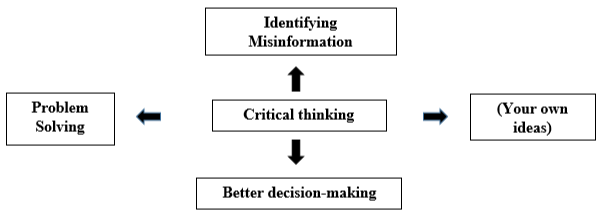
Follow-up questions:
1. Do you think critical thinking should be taught as a separate subject in high school? Why?
2. How can the rise of Artificial Intelligence (AI) change the way students practice critical thinking?
Topic: Critical thinking is an essential skill for students in the modern world. (Tư duy phản biện là một kỹ năng thiết yếu đối với học sinh trong thế giới hiện đại.)
Sample answer:
I strongly believe that critical thinking is an essential skill for students nowadays.
First of all, it helps students recognize fake news and unreliable information on social media. Instead of believing everything they see online, they learn to question and analyze information carefully.
In addition, critical thinking helps students make better decisions and solve problems more effectively. For example, when choosing a future career, students can consider their strengths and interests more logically.
Finally, I think this skill encourages independent learning because students learn to ask questions and develop their own opinions instead of simply memorizing facts. This curiosity is what drives long-term academic success.
In conclusion, critical thinking is essential because it allows students to become more independent, thoughtful, and successful in modern life.
Bản dịch:
Tôi hoàn toàn tin rằng tư duy phản biện là một kỹ năng thiết yếu đối với học sinh ngày nay.
Trước hết, nó giúp học sinh nhận ra tin giả và những thông tin không đáng tin cậy trên mạng xã hội. Thay vì tin mọi thứ họ nhìn thấy trên mạng, họ học cách đặt câu hỏi và phân tích thông tin một cách cẩn thận.
Ngoài ra, tư duy phản biện giúp học sinh đưa ra quyết định tốt hơn và giải quyết vấn đề hiệu quả hơn. Ví dụ, khi lựa chọn nghề nghiệp trong tương lai, học sinh có thể cân nhắc điểm mạnh và sở thích của bản thân một cách logic hơn.
Cuối cùng, tôi nghĩ kỹ năng này khuyến khích khả năng tự học vì học sinh học cách đặt câu hỏi và phát triển quan điểm riêng thay vì chỉ ghi nhớ kiến thức. Chính sự tò mò này thúc đẩy thành công học tập lâu dài.
Tóm lại, tư duy phản biện rất quan trọng vì nó giúp học sinh trở nên độc lập hơn, sâu sắc hơn và thành công hơn trong cuộc sống hiện đại.
Follow-up questions:
1. Do you think critical thinking should be taught as a separate subject in high school? Why? (Bạn có nghĩ rằng tư duy phản biện nên được dạy như một môn học riêng biệt ở trường trung học không? Tại sao?)
Sample answer:
To be honest, I have mixed opinions about this topic. On the one hand, teaching critical thinking as a separate subject could help students understand how to analyze information and develop logical arguments more effectively.
However, I think critical thinking should also be practiced in different subjects instead of only being taught in one class. For example, in History lessons, students can discuss different viewpoints about an event instead of simply memorizing dates and facts. This way, it becomes a natural habit rather than just another subject to pass an exam in.
Bản dịch:
Thành thật mà nói, tôi có những quan điểm trái chiều về chủ đề này. Một mặt, việc dạy tư duy phản biện như một môn học riêng biệt có thể giúp học sinh hiểu cách phân tích thông tin và phát triển các lập luận logic một cách hiệu quả hơn.
Tuy nhiên, tôi nghĩ tư duy phản biện cũng nên được thực hành ở các môn học khác nhau thay vì chỉ được dạy trong một lớp duy nhất. Ví dụ, trong các tiết học Lịch sử, học sinh có thể thảo luận về các góc nhìn khác nhau về một sự kiện thay vì chỉ đơn thuần là ghi nhớ ngày tháng và sự kiện. Bằng cách này, nó sẽ trở thành một thói quen tự nhiên hơn là chỉ là một môn học khác để thi vượt qua kỳ thi.
2. How can the rise of Artificial Intelligence (AI) change the way students practice critical thinking? (Sự trỗi dậy của Trí tuệ nhân tạo (AI) có thể thay đổi cách học sinh thực hành tư duy phản biện như thế nào?)
Sample answer:
I think the rise of AI can affect critical thinking in both positive and negative ways. On the negative side, some students may become too dependent on AI tools like ChatGPT and stop thinking independently. If AI does most of the work for them, students may become less active in solving problems or analyzing information.
However, AI can also help students improve their critical thinking if it is used properly. Since AI does not always provide accurate information, students need to check facts carefully and compare different sources. In this way, students learn how to evaluate information instead of simply accepting everything they read online.
Bản dịch:
Tôi nghĩ sự phát triển của AI có thể ảnh hưởng đến tư duy phản biện theo cả hướng tích cực lẫn tiêu cực. Về mặt tiêu cực, một số học sinh có thể trở nên quá phụ thuộc vào các công cụ AI như ChatGPT và ngừng suy nghĩ độc lập. Nếu AI làm hầu hết công việc cho họ, học sinh có thể trở nên kém chủ động hơn trong việc giải quyết vấn đề hoặc phân tích thông tin.
Tuy nhiên, AI cũng có thể giúp học sinh cải thiện tư duy phản biện nếu được sử dụng đúng cách. Vì AI không phải lúc nào cũng cung cấp thông tin chính xác, học sinh cần kiểm tra sự thật cẩn thận và so sánh nhiều nguồn khác nhau. Bằng cách này, học sinh học được cách đánh giá thông tin thay vì chỉ chấp nhận mọi thứ họ đọc trên mạng.