
20 câu trắc nghiệm Tiếng Anh 9 Starter Unit - Reading and Writing - Friends plus có đáp án
20 câu hỏi
Question 1-6.Read the following passage and choose the correct answer.
Today, smartphones are everywhere and can be found in many places like homes, offices, shops, and schools. People depend on smartphones so much that they get upset and have trouble when their phones are not working. Smartphones are now used for many things, from checking emails to navigating places.
Modern smartphones are much faster, cheaper, and smaller than older ones. Many smartphones are so small that they can fit in your pocket. With smartwatches and portable devices, users can stay connected and access information from almost anywhere easily.
In the future, smartphones will be even smaller and faster. They might have advanced features like voice recognition or facial recognition and could be as tiny as a coin. This will make it easier for people to use their phones for managing data from calls, messages, and online activities. New technologies such as smart glasses and foldable phones are already being developed today.Why do people get upset when their smartphones stop working?
Because people depend on smartphones.
Because they dislike smartphones.
Because smartphones are too cheap.
Because they find smartphones too easy to use.
Đáp án đúng: A
Tại sao mọi người lại khó chịu khi điện thoại thông minh của họ ngừng hoạt động?
A. Vì mọi người phụ thuộc vào điện thoại thông minh.
B. Vì họ không thích điện thoại thông minh.
C. Vì điện thoại thông minh quá rẻ.
D. Vì họ thấy điện thoại thông minh quá dễ sử dụng.
Thông tin: People depend on smartphones so much that they get upset and have trouble when their phones are not working.
Dịch nghĩa: Mọi người phụ thuộc vào điện thoại thông minh quá nhiều đến nỗi họ cảm thấy khó chịu và gặp rắc rối khi điện thoại của họ không hoạt động.
Chọn A.
What is the advantage of using smartwatches and portable devices?
They are cheaper than other devices.
They are much faster and more powerful than other devices.
They are more portable and can be used in various places.
They have better battery life.
Đáp án đúng: C
Ưu điểm của việc sử dụng đồng hồ thông minh và thiết bị di động là gì?
A. Chúng rẻ hơn các thiết bị khác.
B. Chúng nhanh hơn và mạnh hơn nhiều so với các thiết bị khác.
C. Chúng di động hơn và có thể sử dụng ở nhiều nơi.
D. Chúng có thời lượng pin tốt hơn.
Thông tin: With smartwatches and portable devices, users can stay connected and access information from almost anywhere easily.
Dịch nghĩa: Với đồng hồ thông minh và thiết bị di động, người dùng có thể kết nối và truy cập thông tin dễ dàng từ hầu hết mọi nơi.
Chọn C.
The word "portable" in paragraph 2 is closest in meaning to _________.
convenient
heavy
big
large
Đáp án đúng: A
Từ “portable” trong đoạn 2 có nghĩa gần nhất với từ nào?
portable (adj): có thể mang theo, di động.
A. convenient (adj): tiện lợi, dễ mang theo.
B. heavy (adj): nặng
C. big (adj): lớn
D. large (adj): rộng
→ portable = convenient
Chọn A.
The word "They" in paragraph 3 refers to _________.
future phones
advanced features
new technologies
smartwatches
Đáp án đúng: A
Từ "They" trong đoạn 3 đề cập đến _________.
A. future phones: điện thoại tương lai
B. advanced features: tính năng tiên tiến
C. new technologies: công nghệ mới
D. smartwatches: ồng hồ thông minh
Thông tin: In the future, smartphones will be even smaller and faster. They might have advanced features like voice recognition…
Dịch nghĩa: Trong tương lai, điện thoại thông minh sẽ còn nhỏ hơn và nhanh hơn nữa. Chúng có thể được trang bị các tính năng tiên tiến như nhận dạng giọng nói…
→ “They” ở đây thay thế cho “smartphones” được nhắc đến trước đó.
Chọn A.
What are some examples of new technologies for smartphones?
Smart glasses and foldable phones.
Smart TVs and foldable tablets.
Smart speakers and foldable computers.
Smart refrigerators and foldable laptops.
Đáp án đúng: A
Một số ví dụ về công nghệ mới dành cho điện thoại thông minh là gì?
A. Kính thông minh và điện thoại có thể gập lại.
B. TV thông minh và máy tính bảng có thể gập lại.
C. Loa thông minh và máy tính có thể gập lại.
D. Tủ lạnh thông minh và máy tính xách tay có thể gập lại.
Thông tin: New technologies such as smart glasses and foldable phones are already being developed today.
Dịch nghĩa: Các công nghệ mới như kính thông minh và điện thoại có thể gập lại hiện đang được phát triển.
→ Kính thông minh và điện thoại gập.
Chọn A.
What is the purpose of the passage?
To encourage people to buy new smartphones.
To inform readers about the future of smartphones and new technologies.
To explain how smartphones work.
To describe how people use smartphones today.
Đáp án đúng: B
Mục đích của đoạn văn là gì?
A. Khuyến khích mọi người mua điện thoại thông minh mới.
B. Thông báo cho người đọc về tương lai của điện thoại thông minh và các công nghệ mới.
C. Giải thích cách thức hoạt động của điện thoại thông minh.
D. Mô tả cách mọi người sử dụng điện thoại thông minh ngày nay.
Đoạn văn nói về sự phát triển của điện thoại thông minh - từ hiện tại đến tương lai, cùng với các công nghệ mới như nhận diện giọng nói, kính thông minh, điện thoại gập...
→ Cung cấp thông tin về tương lai của điện thoại thông minh và các công nghệ mới.
Chọn B.
Dịch bài đọc:
Ngày nay, điện thoại thông minh có mặt ở khắp mọi nơi, từ nhà ở, văn phòng, cửa hàng đến trường học. Mọi người phụ thuộc vào điện thoại thông minh đến mức họ cảm thấy khó chịu và gặp rắc rối khi điện thoại không hoạt động. Điện thoại thông minh hiện nay được sử dụng cho nhiều mục đích, từ kiểm tra email đến định vị.
Điện thoại thông minh hiện đại nhanh hơn, rẻ hơn và nhỏ hơn nhiều so với điện thoại cũ. Nhiều điện thoại thông minh nhỏ đến mức có thể bỏ vừa túi quần. Với đồng hồ thông minh và các thiết bị di động, người dùng có thể dễ dàng kết nối và truy cập thông tin từ hầu hết mọi nơi.
Trong tương lai, điện thoại thông minh sẽ còn nhỏ hơn và nhanh hơn nữa. Chúng có thể có các tính năng tiên tiến như nhận dạng giọng nói hoặc nhận dạng khuôn mặt và có thể nhỏ như một đồng xu. Điều này sẽ giúp mọi người dễ dàng sử dụng điện thoại để quản lý dữ liệu từ cuộc gọi, tin nhắn và các hoạt động trực tuyến. Các công nghệ mới như kính thông minh và điện thoại có thể gập lại hiện đang được phát triển.
Question 7-12.Choose the word (A, B, C or D) that best fits each space in the following passage.
The (7) ______ rise of wearable technology has opened new doors for personal health monitoring. Devices like smartwatches and fitness trackers (8) ______ people to monitor their heart rate, steps, and sleep patterns. This data can then be (9) ______ to health apps for analysis. In the future, wearable technology is expected to include more advanced medical features, such as monitoring blood sugar levels and detecting irregular heartbeats. These devices will (10) ______ a major role in preventative healthcare. As technology advances, wearables will become smaller, more accurate, and integrated (11) ______ our everyday lives. The (12) ______ for wearable technology are extensive and ever-growing.
The (7) ______ rise of wearable technology has opened new doors for personal health monitoring.
recent
late
early
lately
Đáp án đúng: A
A. recent (adj): gần đây
B. late (adj): muộn
C. early (adj): sớm
D. lately (adv): gần đây (trạng từ)
Ta có cụm recent rise: sự gia tăng gần đây
→ The recent rise of wearable technology has opened new doors for personal health monitoring.
Dịch nghĩa: Sự gia tăng gần đây của công nghệ thiết bị đeo đã mở ra những cánh cửa mới cho việc theo dõi sức khỏe cá nhân.
Devices like smartwatches and fitness trackers (8) ______ people to monitor their heart rate, steps, and sleep patterns.
allow
let
admit
accept
Đáp án đúng: A
A. allow (v): cho phép
B. let (v): cho phép
C. admit (v): thừa nhận
D. accept (v): chấp nhận
Cấu trúc: allow somebody to do something = let sb do sth: cho phép ai làm gì.
→ Devices like smartwatches and fitness trackers allow people to monitor their heart rate...
Dịch nghĩa: Các thiết bị như đồng hồ thông minh và máy theo dõi thể dục cho phép con người theo dõi nhịp tim, bước chân và giấc ngủ của họ.
This data can then be (9) ______ to health apps for analysis.
checked
connected
transferred
streamed
Đáp án đúng: C
A. checked (v): kiểm tra
B. connected (v): kết nối
C. transferred (v): truyền, chuyển giao
D. streamed (v): phát trực tuyến
Cụm transfer data to ...: truyền dữ liệu đến....
→ This data can then be transferred to health apps for analysis.
Dịch nghĩa: Dữ liệu này sau đó có thể được chuyển đến các ứng dụng sức khỏe để phân tích.
These devices will (10) ______ a major role in preventative healthcare.
play
do
make
perform
Đáp án đúng: A
Cụm cố định: play a role (in something) = đóng vai trò trong việc gì.
→ These devices will play a major role in preventative healthcare.
Dịch nghĩa: Những thiết bị này sẽ đóng vai trò quan trọng trong việc chăm sóc sức khỏe phòng ngừa.
As technology advances, wearables will become smaller, more accurate, and integrated (11) ______ our everyday lives
into
in
to
for
Đáp án đúng: A
Cấu trúc: integrate into something: tích hợp vào cái gì.
→ As technology advances, wearables will become smaller, more accurate, and integrated (11) into our everyday lives
Dịch nghĩa: Khi công nghệ phát triển, các thiết bị đeo sẽ trở nên nhỏ hơn, chính xác hơn và được tích hợp vào cuộc sống hằng ngày của chúng ta.
The (12) ______ for wearable technology are extensive and ever-growing.
possibilities
potential
impossible
possibility
Đáp án đúng: A
A. possibilities (n): các khả năng
B. potential (n/adj): tiềm năng (danh từ không đếm được)
C. impossible (adj): không thể
D. possibility (n): khả năng (số ít)
Cần danh từ số nhiều để đi với “are extensive”, nên chọn “possibilities”.
→ The possibilities for wearable technology are extensive and ever-growing.
Dịch nghĩa: Những khả năng của công nghệ thiết bị đeo là rộng lớn và không ngừng phát triển.
Dịch bài đọc:
Sự gia tăng gần đây của công nghệ thiết bị đeo đã mở ra những cánh cửa mới cho việc theo dõi sức khỏe cá nhân. Các thiết bị như đồng hồ thông minh và máy theo dõi thể dục cho phép con người theo dõi nhịp tim, số bước đi và các mô hình giấc ngủ của họ. Dữ liệu này sau đó có thể được chuyển đến các ứng dụng sức khỏe để phân tích. Trong tương lai, công nghệ thiết bị đeo dự kiến sẽ bao gồm nhiều tính năng y tế tiên tiến hơn, chẳng hạn như theo dõi mức đường huyết và phát hiện nhịp tim bất thường. Những thiết bị này sẽ đóng vai trò quan trọng trong việc chăm sóc sức khỏe phòng ngừa. Khi công nghệ ngày càng phát triển, các thiết bị đeo sẽ trở nên nhỏ gọn hơn, chính xác hơn và được tích hợp vào cuộc sống hằng ngày của chúng ta. Những khả năng mà công nghệ thiết bị đeo mang lại là vô cùng rộng lớn và không ngừng mở rộng.
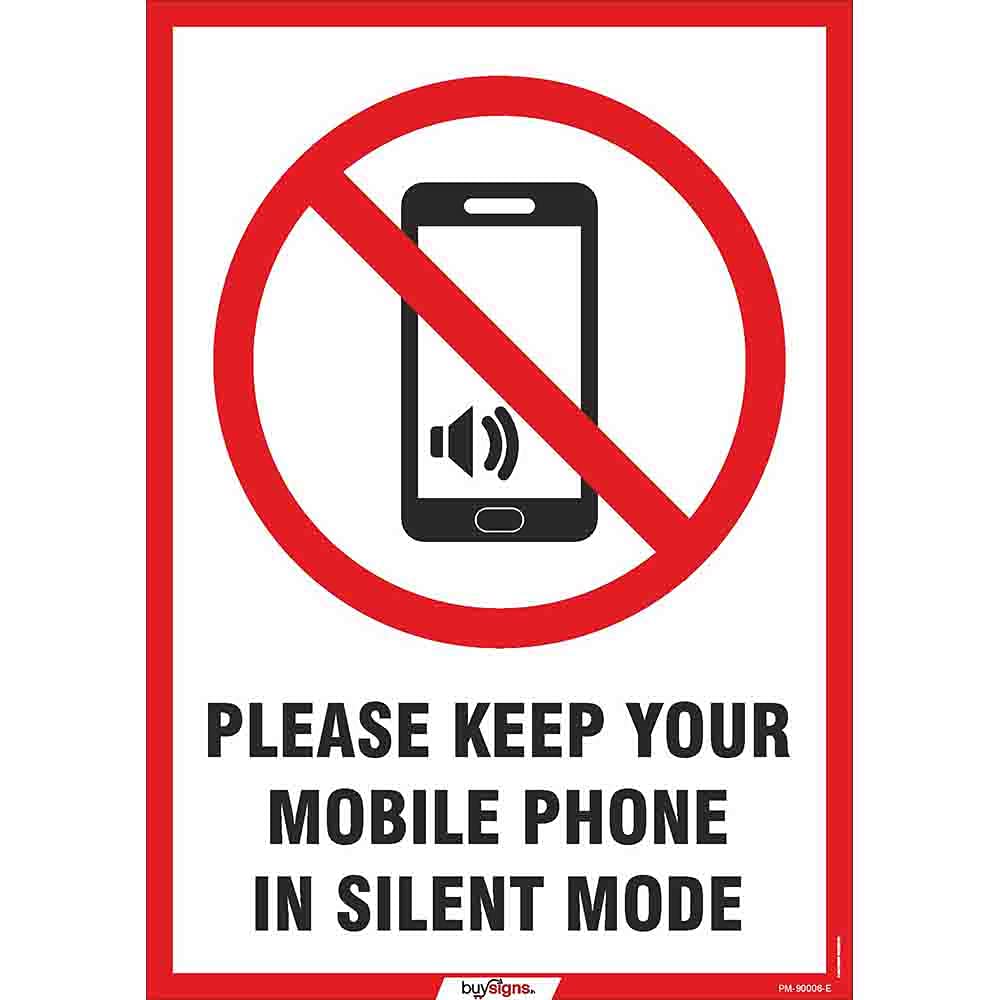
Choose the correct answer.
What does the sign mean?
Sit in your allocated seat.
Leave the chatter until the end of the movie.
Have awareness of personal space.
Keep your mobile phone in silent mode.
Đáp án đúng: D
Ký hiệu trong hình là một chiếc điện thoại thông minh bị gạch chéo bằng một vòng tròn màu đỏ, với biểu tượng âm thanh đang phát ra (hoặc biểu tượng loa) trên màn hình cũng bị gạch chéo.
→ Cấm sử dụng điện thoại di động gây tiếng ồn hoặc Yêu cầu tắt chuông/chuyển sang chế độ im lặng.
A. Sit in your allocated seat. (Ngồi đúng chỗ được phân)
B. Leave the chatter until the end of the movie. (Dành việc trò chuyện đến cuối phim)
C. Have awareness of personal space. (Có ý thức về không gian cá nhân)
D. Keep your mobile phone in silent mode. (Giữ điện thoại di động ở chế độ im lặng.)
Chọn D.
Choose the correct answer.
What does the sign mean?
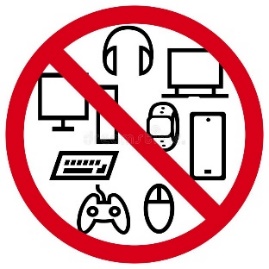
Electronic devices are banned here.
Only smartphones are allowed to be used in this area.
Make sure that your cell phones are in silent mode.
The shop offers a wide range of
gadgets.
Đáp án đúng: A
Hình ảnh cho thấy tất cả các thiết bị điện tử (hoặc việc sử dụng chúng) đều bị cấm.
A. Electronic devices are banned here. (Thiết bị điện tử bị cấm ở đây)
B. Only smartphones are allowed to be used in this area. (Chỉ điện thoại thông minh được phép sử dụng ở khu vực này)
C. Make sure that your cell phones are in silent mode. (Đảm bảo rằng điện thoại di động của bạn đang ở chế độ im lặng)
D. The shop offers a wide range of e-gadgets. (Cửa hàng cung cấp nhiều loại tiện ích điện tử)
Chọn A.
Choose A, B, C or D that has the CLOSEST meaning to the given sentence in the question.
The rules didn’t specify who I should speak to in case of an emergency.
The rules didn’t specify who I speaking to in case of an emergency.
The rules didn’t specify who to speak to in case of an emergency.
The rules didn’t specify who speak to in case of an emergency.
The rules didn’t specify who should I speak to in case of an emergency.
Đáp án đúng: B
Câu gốc: The rules didn’t specify who I should speak to in case of an emergency.
(Nội quy không nêu rõ tôi nên nói chuyện với ai trong trường hợp khẩn cấp.)
Cấu trúc rút gọn câu gián tiếp với “wh-word + to V” (từ để hỏi + động từ nguyên mẫu)
→ dùng để bỏ chủ ngữ và trợ động từ “should”.
→ Chọn B. The rules didn’t specify who to speak to in case of an emergency.
Các đáp án sai:
A. “speaking” không đúng dạng ngữ pháp.
C. Thiếu “to”.
D. Cấu trúc “who should I speak to” là dạng câu hỏi, không dùng trong câu tường thuật.
Choose A, B, C or D that has the CLOSEST meaning to the given sentence in the question.
I often went to school on foot when I was a child.
I use to go to school on foot when I was a child.
I am used to go to school on foot when I was a child.
I was used to go to school on foot when I was a child.
I used to go to school on foot when I was a child.
Đáp án đúng: D
Câu gốc: I often went to school on foot when I was a child. (Tôi thường đi bộ đến trường khi còn nhỏ.)
“Often went” → hành động lặp lại trong quá khứ, không còn xảy ra.
→ Dùng “used to + V” để diễn tả thói quen trong quá khứ nay không còn.
→ Chọn D. I used to go to school on foot when I was a child.
Các đáp án sai:
A. “use to” sai chính tả → phải là “used to”.
B. am used to + Ving: quen làm gì, không dùng với V nguyên thể
C. was used to + Ving: đã quen làm gì, không dùng với V nguyên thể
Choose A, B, C or D that has the CLOSEST meaning to the given sentence in the question.
They spend a lot of time checking their social media accounts.
It takes them a lot of time check their social media accounts.
It takes them a lot of time to checking their social media accounts.
It takes them a lot of time to check their social media accounts.
It took them a lot of time to check their social media accounts.
Đáp án đúng: C
Câu gốc: They spend a lot of time checking their social media accounts.
(Họ dành nhiều thời gian để kiểm tra tài khoản mạng xã hội.)
Cấu trúc:
“Spend time V-ing” = “It takes sb time to V” (mất của ai bao nhiêu thời gian để làm gì).
→ Chọn C. It takes them a lot of time to check their social media accounts.
Dịch nghĩa: Họ mất nhiều thời gian để kiểm tra tài khoản mạng xã hội.
Các đáp án sai:
A. Thiếu “to”.
B. “to checking” sai cấu trúc (to + V nguyên mẫu).
D. “took” → sai thì (câu gốc là hiện tại đơn “spend”).
Choose the grammatically correct sentence using the provided words/phrases.
her phone / always / on / talk / my sister / !
My sister is always talk on her phone!
My sister always talks on her phone!
My sister always talking on her phone!
My sister is always talking on her phone!
Đáp án đúng: D
Cấu trúc diễn tả sự phàn nàn về hành động xảy ra thường xuyên, ta dùng “is always + V-ing”.
→ Chọn D. My sister is always talking on her phone!
Dịch nghĩa: Chị tôi suốt ngày nói chuyện điện thoại!
Các đáp án sai:
A. “is always talk” sai vì sau “is” phải là V-ing.
B. “always talks” chỉ là thói quen thông thường, không thể hiện sự phàn nàn.
C. Thiếu động từ “is”.
Choose the grammatically correct sentence using the provided words/phrases.
music / at the moment / listen to / on Spotify / I
I listen to music on Spotify at the moment.
I listens to music on Spotify at the moment.
I am listening to music on Spotify at the moment.
I listening to music on Spotify at the moment.
Đáp án đúng: C
“At the moment” → dấu hiệu của thì hiện tại tiếp diễn (S + am/is/are + V-ing).
→ Chọn C. I am listening to music on Spotify at the moment.
Dịch nghĩa: Tôi đang nghe nhạc trên Spotify ngay lúc này.
Các đáp án sai:
A. Dùng hiện tại đơn → sai vì “at the moment” cần hiện tại tiếp diễn.
B. “listens” sai vì chủ ngữ “I”.
D. Thiếu trợ động từ “am”.
Choose the grammatically correct sentence using the provided words/phrases.
often / on / follow Instagram / Angelina / celebrities / ?
Does Angelina often follow celebrities on Instagram?
Is Angelina often following celebrities on Instagram?
Do Angelina often follow celebrities on Instagram?
Are Angelina follow celebrities on Instagram often?
Đáp án đúng: A
Phân tích:
“Often” → dấu hiệu của thì hiện tại đơn.
Chủ ngữ “Angelina” (số ít) → dùng “Does” trong câu hỏi.
→ Chọn A. Does Angelina often follow celebrities on Instagram?
Dịch nghĩa: Angelina có thường theo dõi người nổi tiếng trên Instagram không?
Các đáp án sai:
B. “is … following” → thì hiện tại tiếp diễn → sai với “often”.
C. “Do Angelina” sai ngữ pháp (vì “Angelina” số ít).
D. “Are Angelina follow” sai cấu trúc thì và trợ động từ.